


139-Year-Old Bare Island Bridge Undergoes Year-Long Restoration

The historic Bare Island Bridge has closed to the public as a $4.3 million restoration begins on the 139-year-old timber crossing in Kamay Botany Bay National Park.


The bridge, which links the La Perouse headland with Bare Island, closed on 24 August. Bare Island, the fort, the surrounding rock shelf and the access road are expected to remain closed until approximately late 2027 while restoration work continues. 

Thousands of people use the bridge each year for tourism, recreation, education and community activities, according to the NSW Government. Guided tours of Bare Island Fort have also stopped and will resume only after the bridge reopens, while temporary restrictions may apply to water access beneath the crossing during construction.
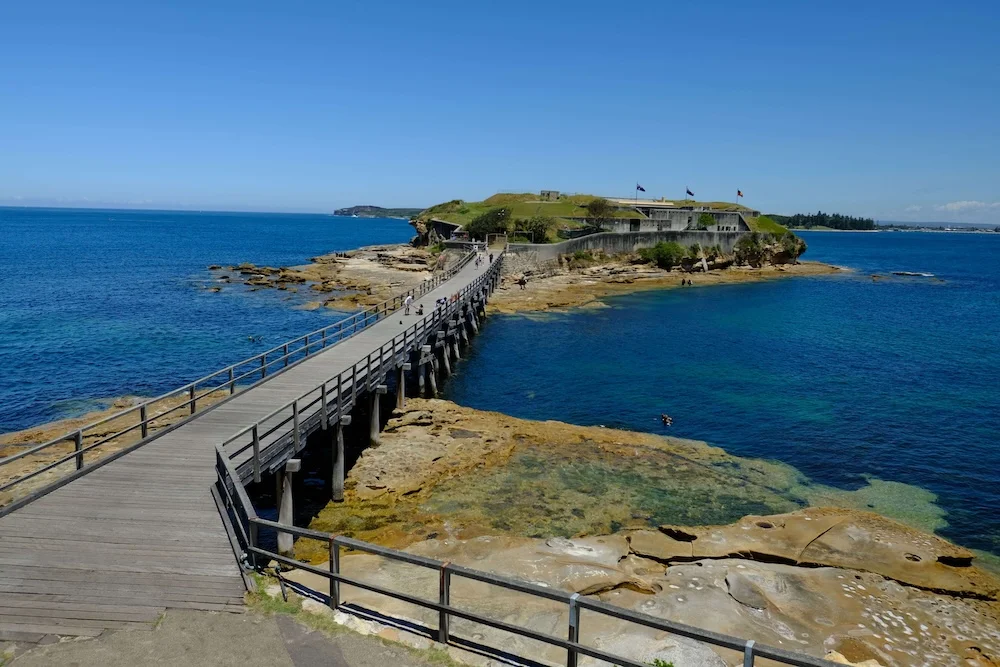
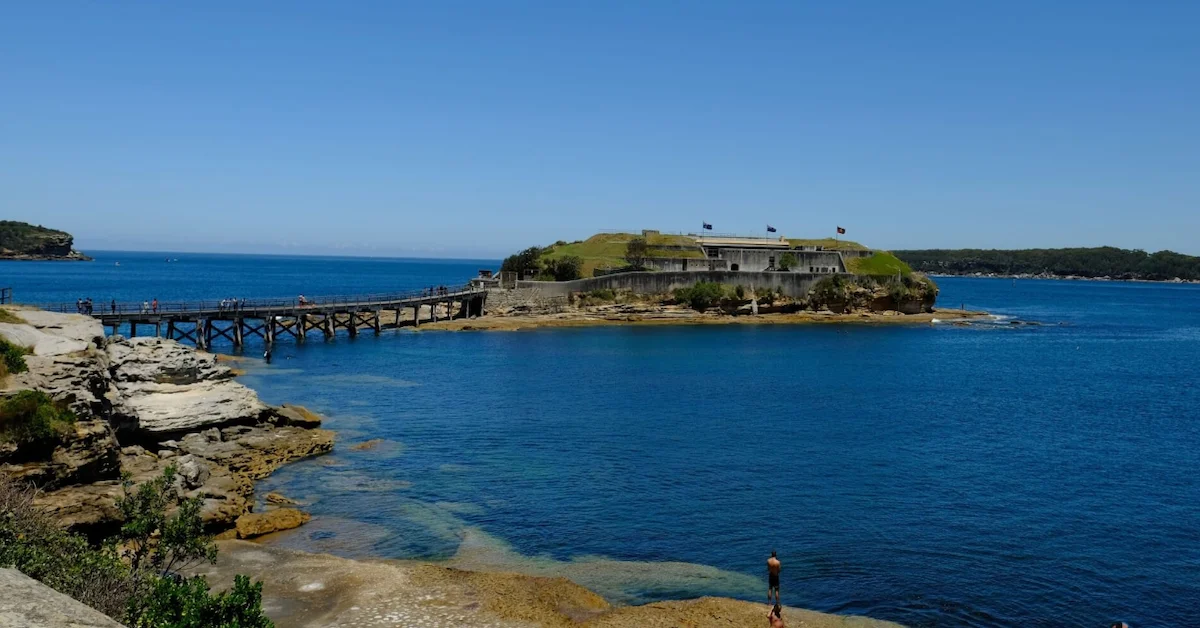
Photo Credit: NSW Environment and Heritage

Age and exposure take their toll

Built in 1887, the bridge is about 110 metres long and 4.5 metres wide and provides the only land connection between La Perouse and Bare Island. Its condition had deteriorated to the point where only limited pedestrian traffic could be supported before the current works began. 

Planning documents identify rot, splitting and termite damage in parts of the timber structure, with water runoff near the northern abutment also contributing to deterioration. The works include replacement of timber piles, substructure elements, worn decking, kerbs and handrails, along with a new balustrade and improvements to the walking surface. 

NSW says the coastal environment and the need to protect the bridge and the surrounding site add to the complexity of the project. The restoration is intended to preserve the bridge’s heritage significance while improving safety and future access for pedestrians and authorised vehicles. 

Before the bridge, access was by flying fox or barge

Bare Island’s military history predates the bridge. Fortification works began in the early 1880s as colonial authorities strengthened Sydney’s coastal defences, with Botany Bay regarded as a possible approach to the city. 
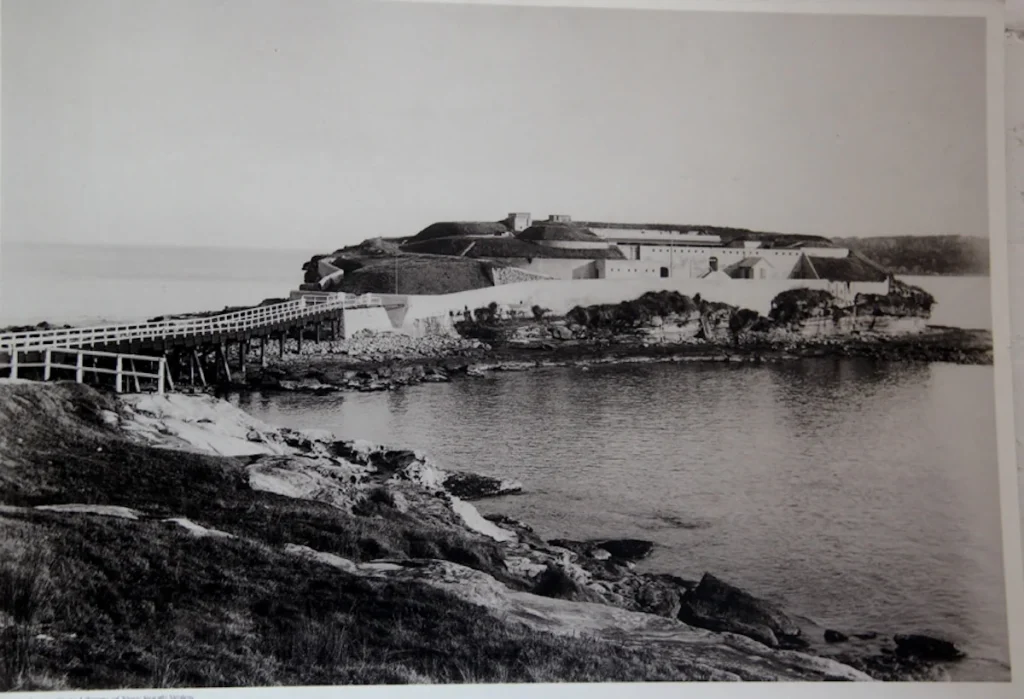
Before the bridge was added in 1887, access to the island relied on a flying fox or a barge. Five major guns were transported to Bare Island by barge, including a cannon weighing about 12 tonnes, while some heavy weapons later remained on the island because they were too heavy to take back across the bridge. 

Heritage records associate Sir Peter Scratchley, Sir William Jervois, Gustave Morell and Colonial Architect James Barnet with the design and development of the fortification complex. Heritage NSW also records that a Royal Commission found Barnet responsible for the mismanagement of the works, with the controversy followed by his resignation from public office in 1890.

From military fort to ‘Mission: Impossible 2’

Military use declined in the early 20th century, and Bare Island later became the site of Australia’s first war veterans’ home. The fort eventually passed into recreational and heritage use and is now part of Kamay Botany Bay National Park.


Bare Island later appeared in the 2000 action film Mission: Impossible 2, with the fort used as a location for action sequences. The surrounding waters are also promoted by NSW National Parks as a popular location for scuba diving and snorkelling.

Published 7-September-2026
What the Clean Air Schools Report Means for Kids at La Perouse Public School

La Perouse Public School participated in the Clean Air Schools Program, a joint initiative between the NSW Department of Education and UNSW Sydney that monitored indoor and outdoor air quality between 2023 and 2025.


The final report examined carbon dioxide (CO₂), fine particulate matter (PM2.5) and nitrogen dioxide (NO₂) levels at schools across Sydney, Newcastle and Wollongong. Researchers collected air quality data from one classroom and one outdoor area at each participating school.

While the study identified 17 schools where the monitored classroom recorded carbon dioxide levels above the recommended 850 parts per million threshold for much of the school day, individual school results have not been publicly released.

As a result, it is not known whether the classroom monitored at La Perouse Public School was among those identified by researchers.

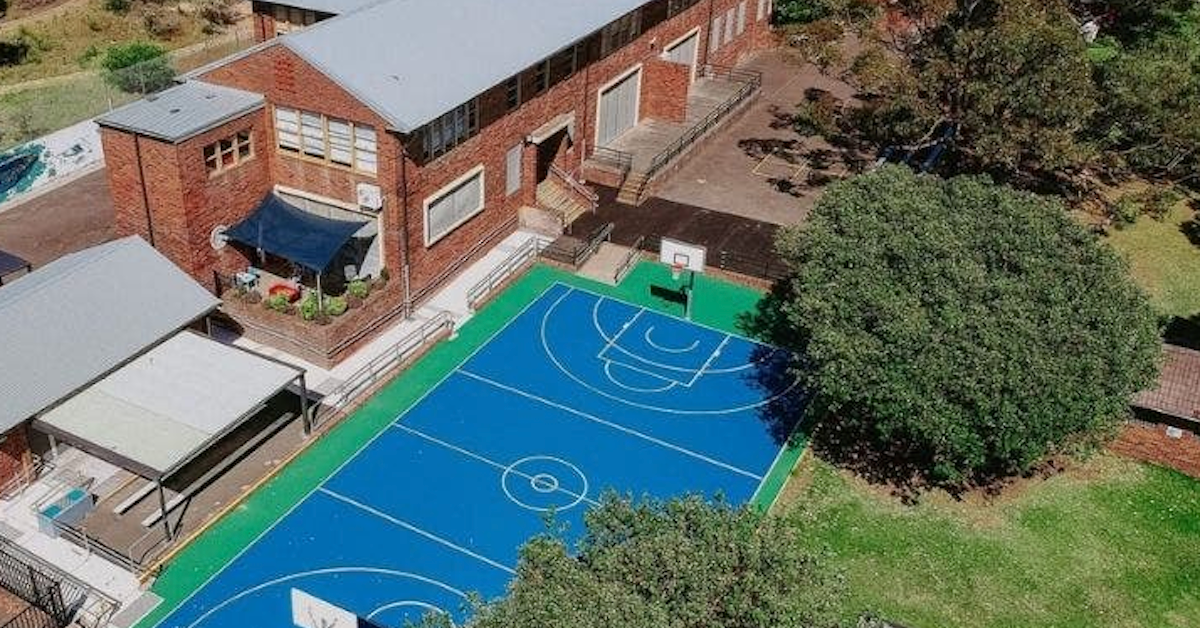
A school near major freight and transport corridors

La Perouse Public School is located in Sydney’s south-east, an area influenced by some of the state’s most significant transport and freight infrastructure.

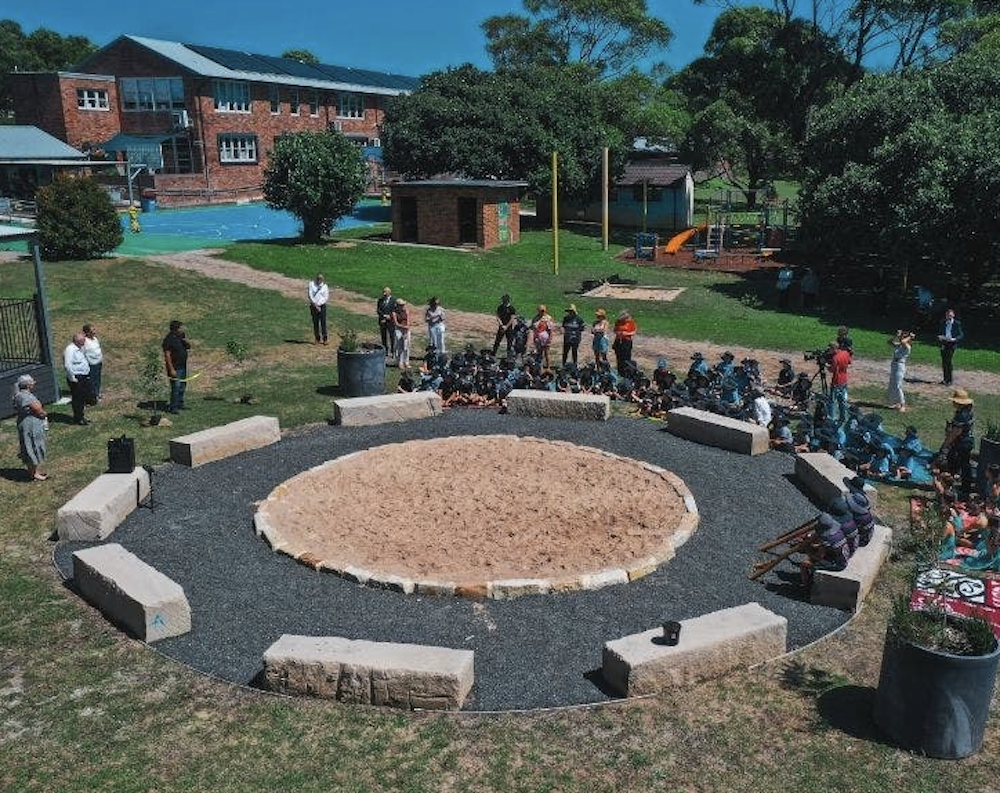
Photo Credit: La Perouse Public School

The school sits within the broader Botany Bay region, not far from Port Botany, Foreshore Road and major freight routes that support one of Australia’s busiest container ports. Heavy vehicle movements and commuter traffic are a familiar part of the area’s transport network.

The Clean Air Schools report found that pollution sources near schools are often highly localised, with traffic and industry among the factors that can influence outdoor nitrogen dioxide levels.

While researchers did not publish individual pollution readings for La Perouse Public School, the study highlights the importance of understanding how local environmental conditions can influence air quality in and around schools.

What researchers found across NSW schools

The study found that most classrooms exceeded the recommended carbon dioxide threshold at some point during the school day, although these exceedances were often short-lived.

Three schools — Condell Park High School, Hebersham Public School and Mayfield East Public School — consistently recorded carbon dioxide levels above 1000 parts per million throughout much of the school day.

Researchers concluded there was evidence that some NSW classrooms were exceeding levels considered optimal for student learning and health.

Carbon dioxide is commonly used as an indicator of ventilation performance. Elevated levels do not necessarily mean a classroom is unsafe, but they can indicate that fresh air is not entering a room quickly enough.

The NSW Department of Education has stated that the report did not find classrooms were unsafe and has begun follow-up assessments.

One classroom, one school

An important limitation of the study was that only a single classroom was monitored at each participating school. Researchers acknowledged this means the results may not be representative of conditions elsewhere on the same campus.

The report noted that understanding air quality across an entire school would require monitoring a wider range of classrooms over a longer period.

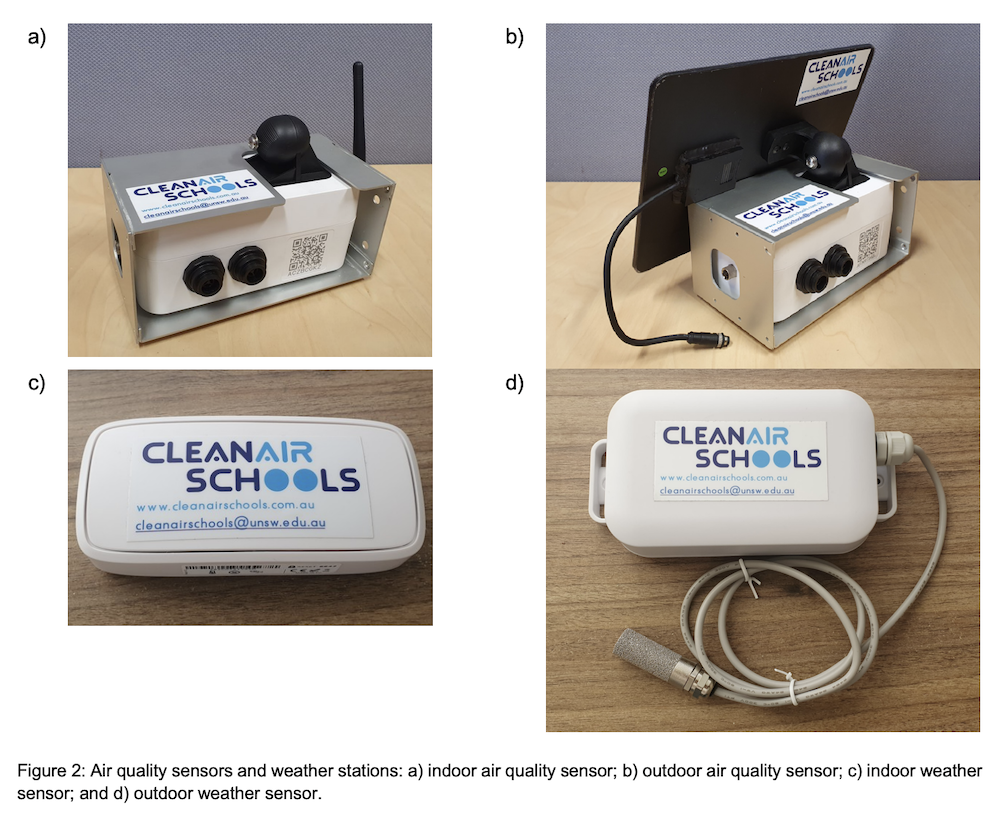
Photo Credit: UNSW

Ventilation emerged as a key finding

One of the strongest findings in the report was the role of classroom design and ventilation.

Researchers found classrooms with cross-ventilation — where windows can be opened on multiple sides of a room — generally recorded lower carbon dioxide levels than classrooms without cross-ventilation.

Schools participating in the NSW Government’s Cooler Classrooms Program also tended to record lower carbon dioxide levels than schools relying primarily on split-system air-conditioning.


The report found that classrooms without cross-ventilation and without Cooler Classrooms upgrades recorded the highest average carbon dioxide levels.

Researchers recommended accelerating the installation of mechanical filtered ventilation systems, particularly in schools identified as having consistently poor natural ventilation.

Published 9-June-2026

First Nations Cultural Precinct Planned for La Perouse

A proposal has been unveiled to transform the La Perouse Museum and its surrounding headland into a First Nations Cultural Precinct, developed with leadership from the local Aboriginal community.


Historic Grounds Reimagined

The proposed La Perouse First Nations Cultural Precinct aims to restore the 130-year-old museum and repurpose the surrounding headland as a site dedicated to Aboriginal culture. The redevelopment is a joint initiative between Randwick City officials and the La Perouse Local Aboriginal Land Council.

The project incorporates guidance from the NSW Heritage Council and follows “Designing with Country” design principles, aiming to highlight the cultural and historical importance of the La Perouse Aboriginal community at a national level.

La Perouse
Photo Credit: RandwickCityCouncil

Longstanding Aboriginal Community Presence

The La Perouse Aboriginal community is recognised as Sydney’s oldest continuously operating and only formally established Aboriginal settlement. Many families who have lived in the region for generations continue to maintain cultural ties to the coastal area around Botany Bay. Historical estimates suggest around 1500 Aboriginal people lived between Broken Bay and Botany Bay at the time of British arrival in 1788.

Scope, Investment and Economic Impact

An initial feasibility assessment indicates that approximately $99 million will be needed for the redevelopment. This will cover restoration of the heritage-listed museum, creation of 900m² of climate-controlled exhibition space, and development of a broader 2,340m² new building footprint. The site-wide masterplan recognises the cultural, environmental, and social value of the location.

Aboriginal heritage
Photo Credit: RandwickCityCouncil

The existing museum facilities fall short of modern accessibility and exhibition standards. The updated precinct will support the return of cultural objects from both national and international collections and is expected to create 230 direct construction jobs and 150 supply chain roles, contributing to the local economy.

The project also includes a Bushtucker restaurant, dedicated spaces for 20 market stalls, and infrastructure to support large outdoor festivals and cultural events, reinforcing its role as a destination for cultural tourism and public engagement.

Public Reception and Infrastructure Concerns

Public comments on online forums reflect broad support for the precinct and its cultural significance. Some residents raised concerns about existing transport limitations, particularly the lack of direct city links and reduced bus services outside peak periods. Suggestions included light rail extensions, a B-line service, and better connectivity to Eastgardens and Bondi Junction.

Discussions also touched on the need for improved maintenance of public spaces, especially around fishing areas, with calls for stronger community cooperation in managing litter and vandalism near the coast.

First Nations Cultural Precinct
Photo Credit: RandwickCityCouncil

Next Steps and Planning


The upcoming phase will involve formalising governance structures and pursuing funding commitments from both the State and Federal governments. Public engagement and consultation will continue as part of the planning and delivery process.

Published 30-May-2025

#SeaToSource: Volunteers Needed for Botany Bay Clean Up

You don’t need superpowers to make a difference in the world because small good deeds, such as volunteering to clean up a portion of Botany Bay, can create a ripple effect to benefit the community. If you want to take part in such an initiative, a #SeaToSource event will be underway near Plane Spotters Beach in Kyeemagh, located some nine kilometres away from Maroubra.

About 70 percent of the earth is covered in water but more than 269,000 tons of plastic pollute the water’s surface, impacting marine life in the most harmful way. Experts said that by 2050, there will be more plastic than fish in the ocean but people can prevent this global problem from worsening if they work together.


On Sunday, 11 April 2021, everyone is invited to take part in the #SeaToSource National Day of Action and clean up the beaches. Plane Spotters Beach is one of more than a dozen locations across the country for cleaning up on this specific day, as organised by the Conservation Volunteers Australia (CVA), the Sydney Airport and Bayside Council. 

Photo Credit: Conservation Volunteers Australia/Facebook

“CVA is excited to work with local partners to deliver opportunities that allow people to care for their waterways,” CVA’s Revive Campaign Director Renae Riviere said.

“We’re so excited to be hosting an event in Bayside that allows everyone to be involved in doing their part for our oceans and waterways,” Ms Riviere added. “For us it’s not just about cleaning up litter on the beach, it’s about addressing where that litter is coming from and protecting the wildlife that live in the ocean. It’s also about empowering communities to feel connected through a love of the world around them and feeling inspired to make small daily actions to protect it.”


#SeaToSource has received a grant from the Australian Government’s Environment Restoration Fund program. To join the National Day of Action, volunteers may sign up online.