



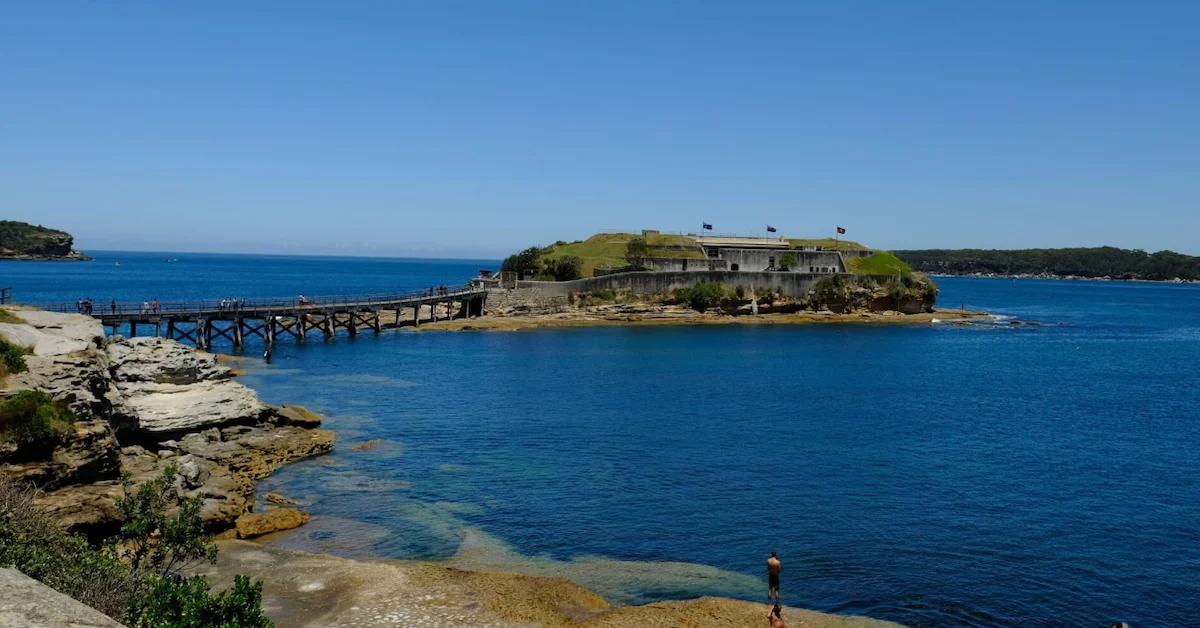
The historic Bare Island Bridge has closed to the public as a $4.3 million restoration begins on the 139-year-old timber crossing in Kamay Botany Bay National Park.
The bridge, which links the La Perouse headland with Bare Island, closed on 24 August. Bare Island, the fort, the surrounding rock shelf and the access road are expected to remain closed until approximately late 2027 while restoration work continues.
Thousands of people use the bridge each year for tourism, recreation, education and community activities, according to the NSW Government. Guided tours of Bare Island Fort have also stopped and will resume only after the bridge reopens, while temporary restrictions may apply to water access beneath the crossing during construction.


Age and exposure take their toll
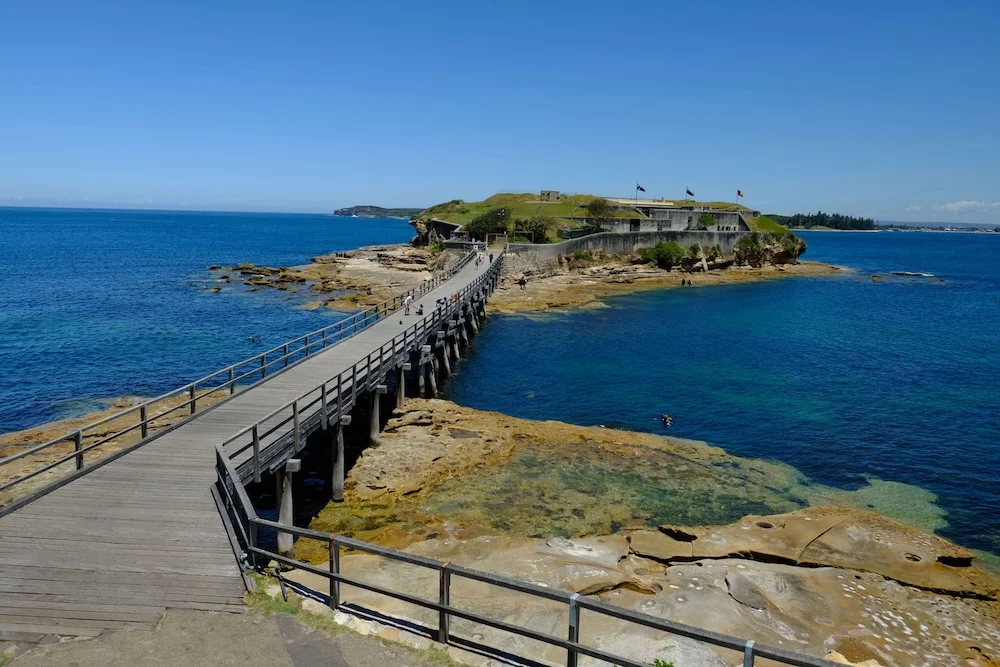
Built in 1887, the bridge is about 110 metres long and 4.5 metres wide and provides the only land connection between La Perouse and Bare Island. Its condition had deteriorated to the point where only limited pedestrian traffic could be supported before the current works began.
Planning documents identify rot, splitting and termite damage in parts of the timber structure, with water runoff near the northern abutment also contributing to deterioration. The works include replacement of timber piles, substructure elements, worn decking, kerbs and handrails, along with a new balustrade and improvements to the walking surface.
NSW says the coastal environment and the need to protect the bridge and the surrounding site add to the complexity of the project. The restoration is intended to preserve the bridge’s heritage significance while improving safety and future access for pedestrians and authorised vehicles.
Before the bridge, access was by flying fox or barge
Bare Island’s military history predates the bridge. Fortification works began in the early 1880s as colonial authorities strengthened Sydney’s coastal defences, with Botany Bay regarded as a possible approach to the city.
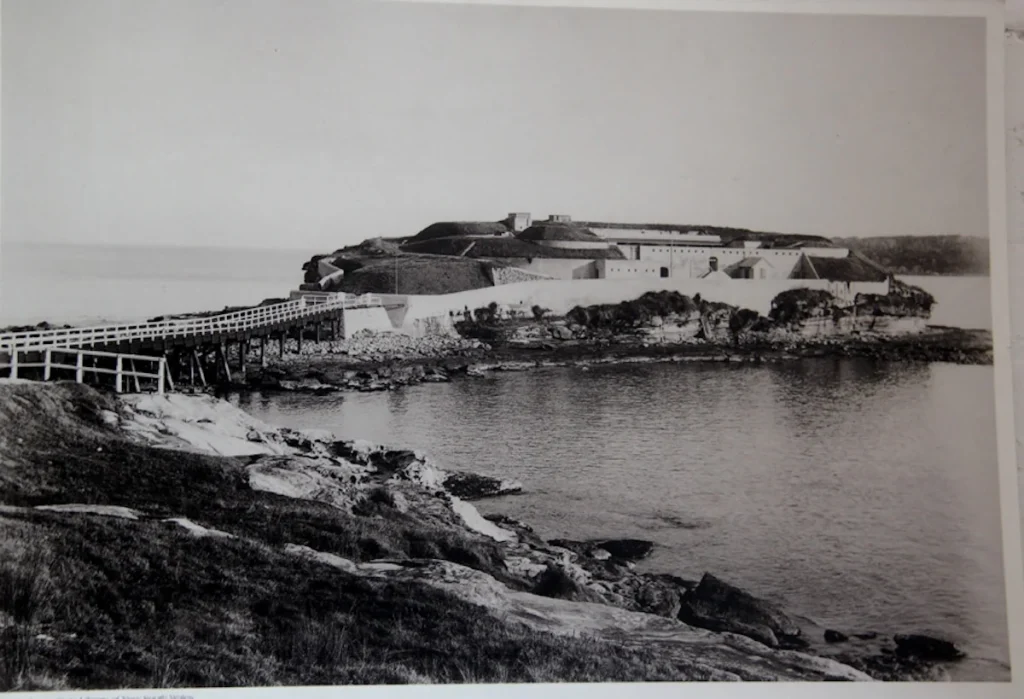
Before the bridge was added in 1887, access to the island relied on a flying fox or a barge. Five major guns were transported to Bare Island by barge, including a cannon weighing about 12 tonnes, while some heavy weapons later remained on the island because they were too heavy to take back across the bridge.
Heritage records associate Sir Peter Scratchley, Sir William Jervois, Gustave Morell and Colonial Architect James Barnet with the design and development of the fortification complex. Heritage NSW also records that a Royal Commission found Barnet responsible for the mismanagement of the works, with the controversy followed by his resignation from public office in 1890.
From military fort to ‘Mission: Impossible 2’
Military use declined in the early 20th century, and Bare Island later became the site of Australia’s first war veterans’ home. The fort eventually passed into recreational and heritage use and is now part of Kamay Botany Bay National Park.
Bare Island later appeared in the 2000 action film Mission: Impossible 2, with the fort used as a location for action sequences. The surrounding waters are also promoted by NSW National Parks as a popular location for scuba diving and snorkelling.
Published 7-September-2026