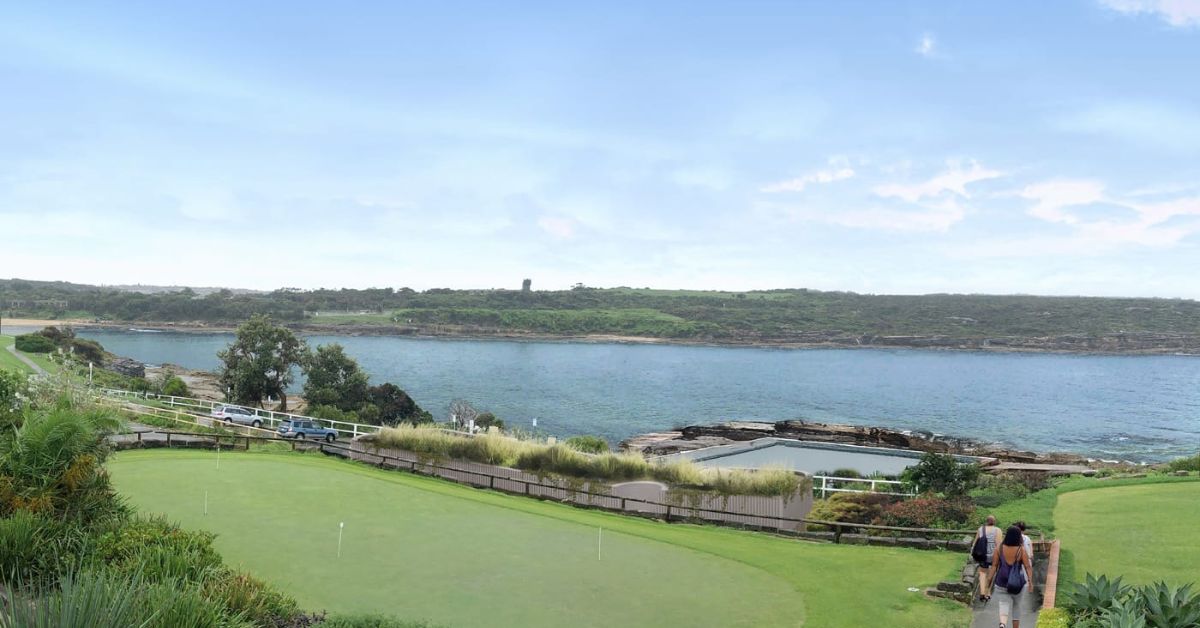
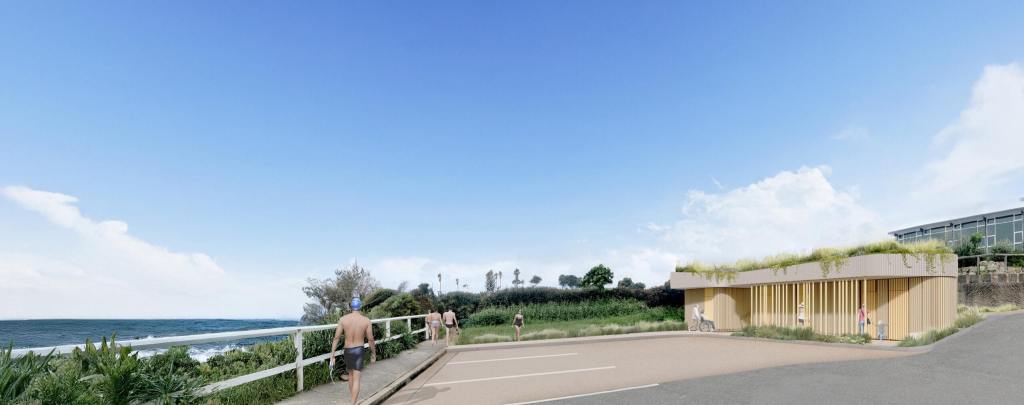
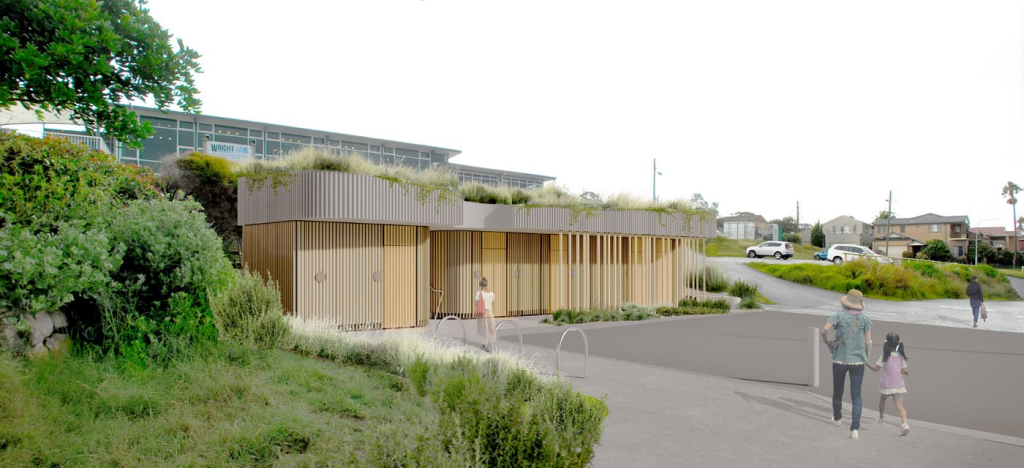
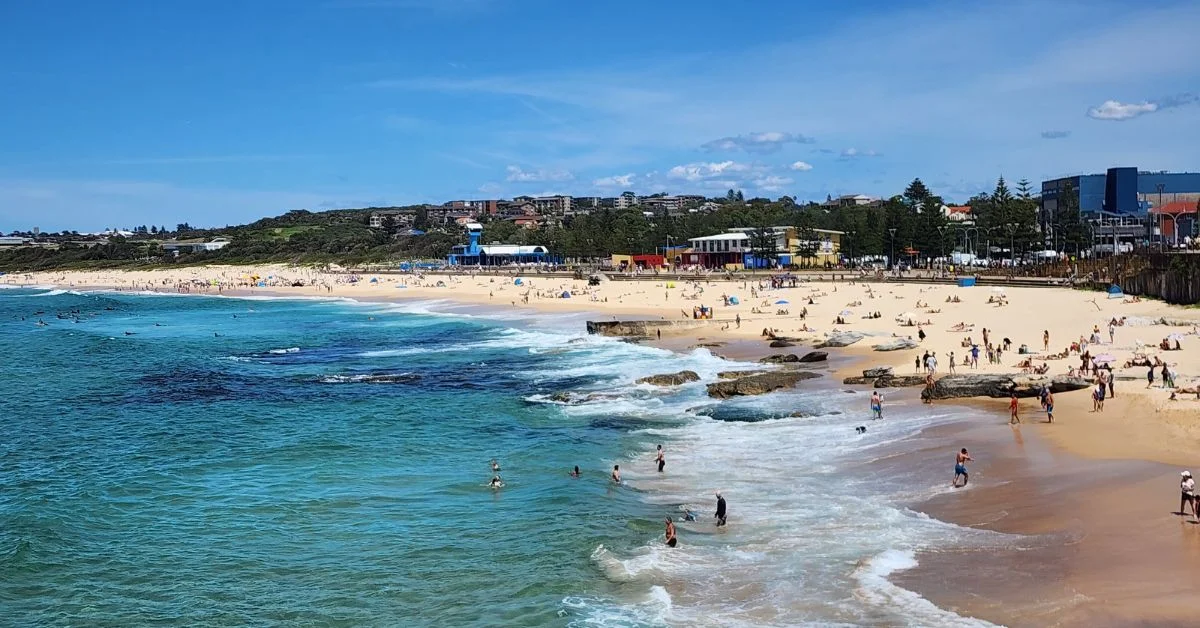
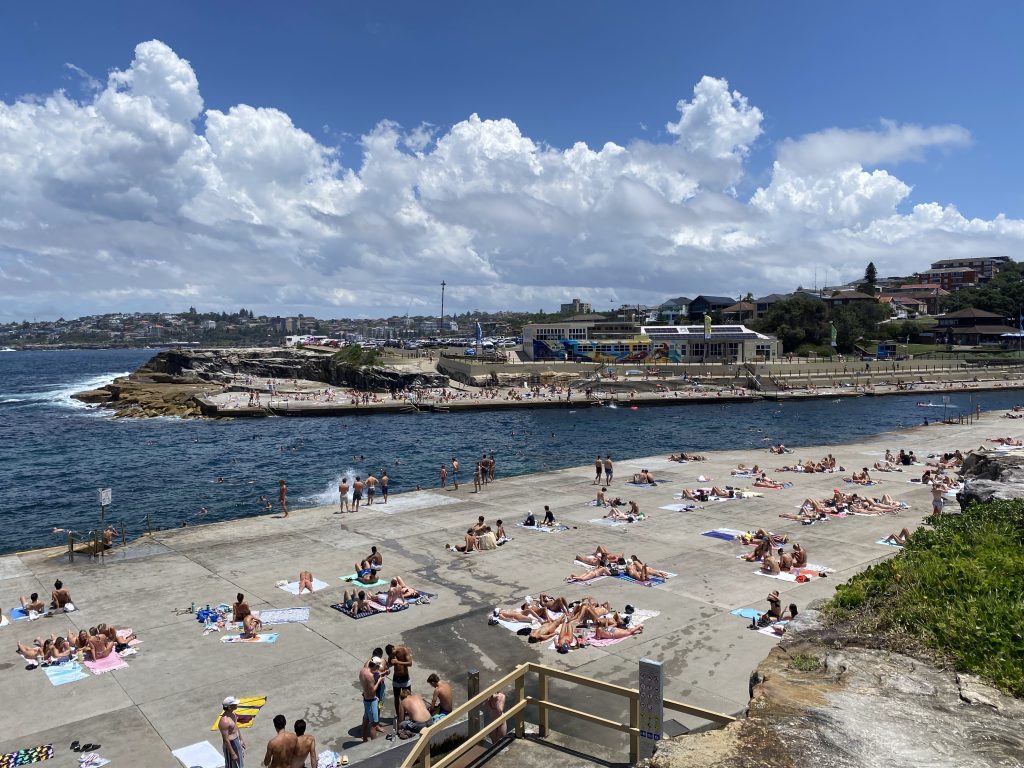
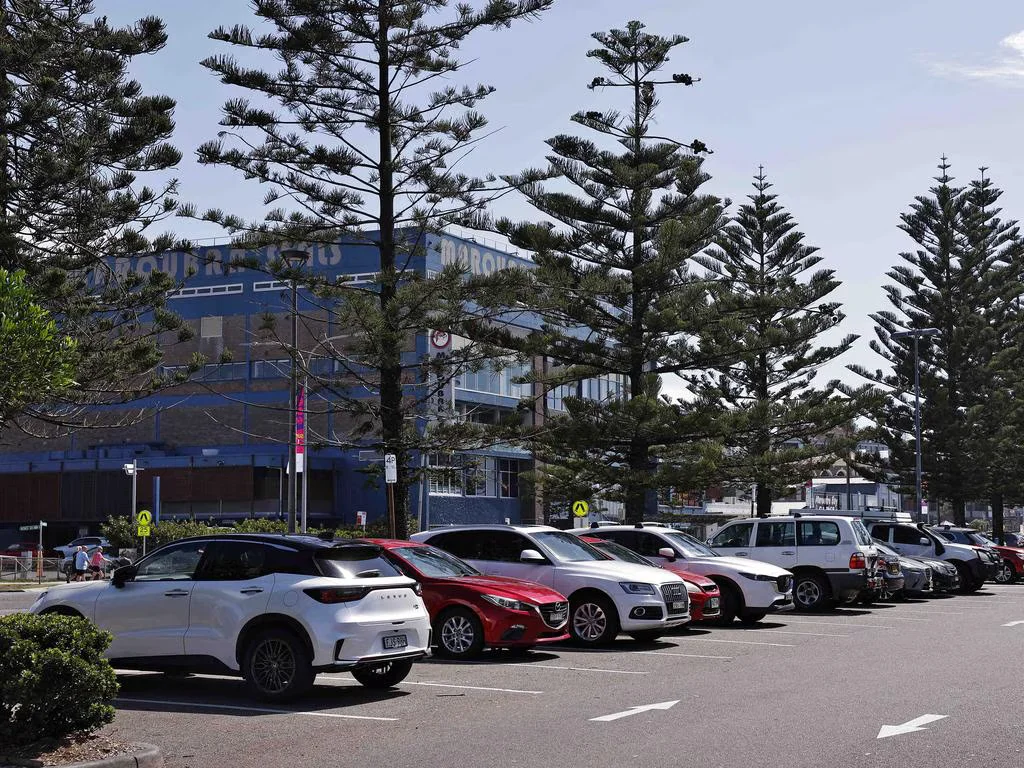
The building will include toilets, change cubicles, a regraded car park section and new landscaping. A planted roof has been incorporated into the design to keep the structure low-key and unobtrusive within the landscape. Construction is expected to take eight months, with the building due for completion in late January 2027.
The ocean pool itself remains open throughout the construction period.
A pool that has needed this for a long time
Malabar Ocean Pool is particularly valued by older people and those recovering from injuries, who use its rare stair-free access to the water. The lack of any on-site amenities has long been a friction point for those users, who have had to walk 700 metres to the facilities at Malabar Beach or forgo the pool entirely.
Photo Credit: Sam Crawford Architects
The stair-free access is genuinely uncommon among Sydney’s ocean pools. Most rockpool entries involve steps or ladders, making Malabar a specific destination for people who need gentler access and who have the most pressing need for nearby facilities.
A design shaped by the community
The amenities building went through a public consultation process before its final design was settled. Community feedback was clear: any building should be modest in size, located away from the pool deck, and should not impact views or sightlines for nearby properties.
Photo Credit: Sam Crawford Architects
The design reflects that feedback. The building sits unobtrusively within the landscape and the rooftop plantings help it blend into the surrounding vegetation rather than sitting above it as a visual intrusion.
It is the kind of outcome that tends to result when community feedback actually shapes the brief rather than simply appearing in a consultation summary.
What to expect during construction
There will be a temporary reduction in available parking near the pool and some construction noise and higher traffic levels during the eight-month build. Visitors planning to drive to the pool should allow extra time to find parking along Marine Drive or the surrounding streets.
The pool and Coastal Walkway remain accessible throughout. Further updates will be released at key stages during construction.
Malabar Ocean Pool is at the end of Marine Drive in Malabar, accessible from Maroubra via the Coastal Walkway or by car along Marine Drive.
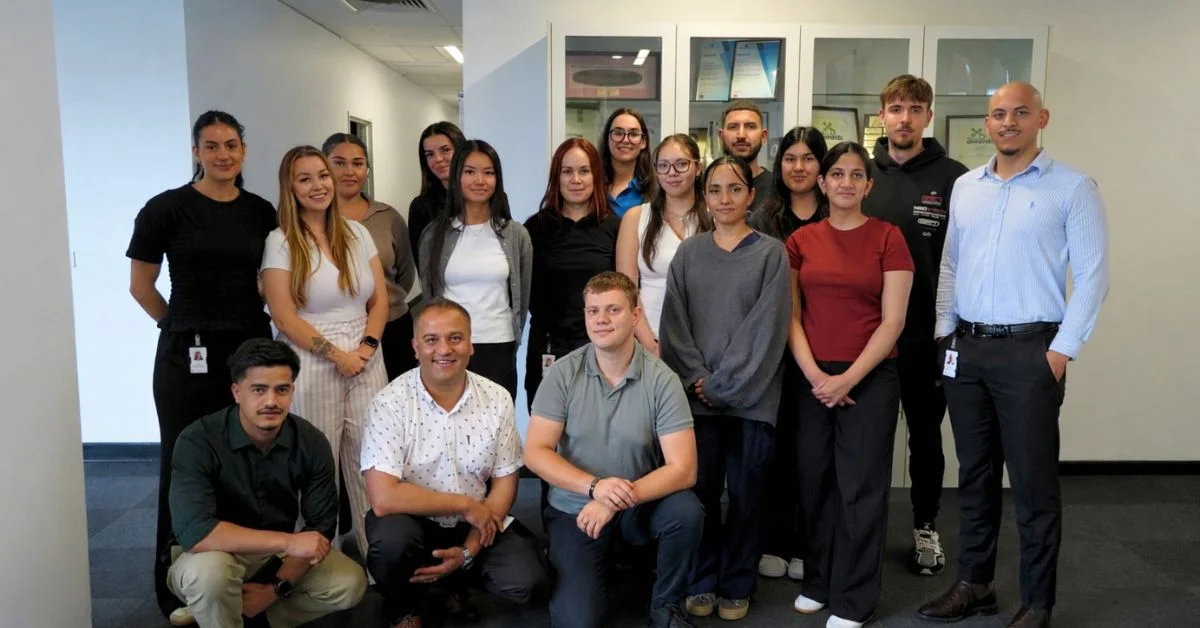
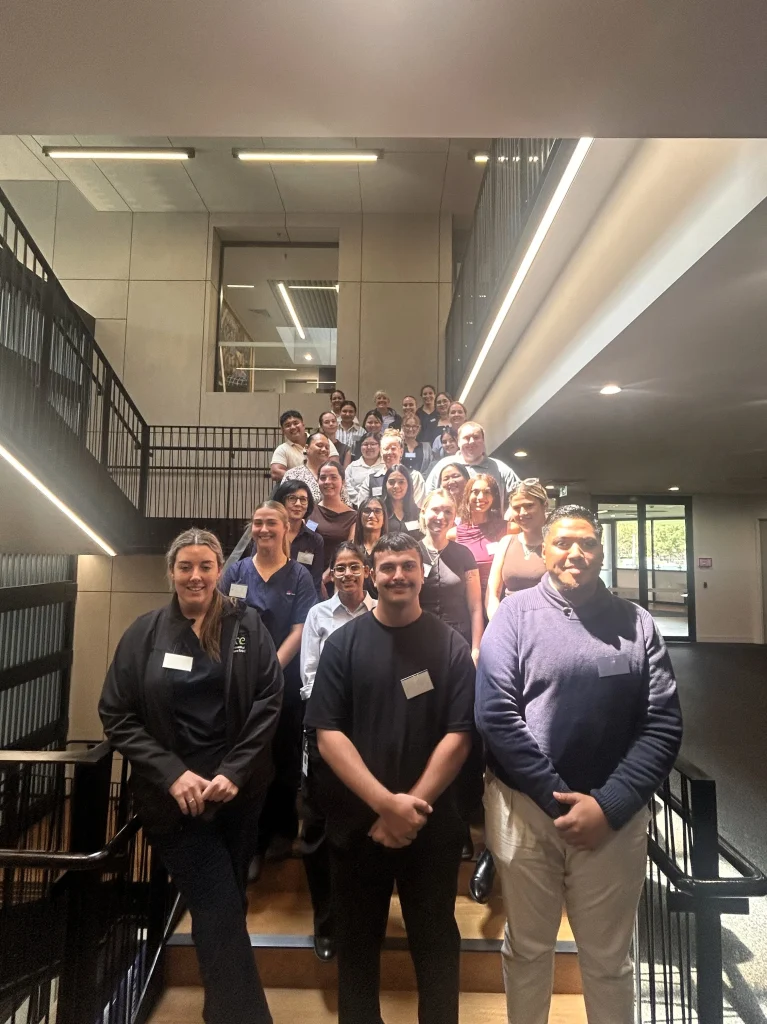
The new nurses are stationed across both metropolitan and regional centres throughout NSW, with Malabar joining locations including Silverwater, Werrington, Kariong, Windsor, Bathurst and Lithgow, among others. At Long Bay, graduates will work alongside the Forensic Hospital, which occupies the same Malabar precinct and provides specialist mental health care to patients within the justice system.
The intake represents a meaningful boost to health services across NSW correctional and youth justice facilities, where healthcare needs are frequently complex and the clinical environment demands a broad and adaptable skillset. Graduates in the program work as part of multidisciplinary teams alongside experienced clinicians, building practical skills across mental health, primary care, drug and alcohol services and public health.
The GradStart Program
The GradStart initiative offers newly registered nurses a structured year of hands-on experience within the justice health system. Instead of remaining in a single ward, participants rotate across several facilities, gaining exposure to clinical environments and patient populations rarely seen in mainstream hospitals.
Photo Credit: Supplied
Kaitlin Barnsley, who previously completed the program, recommends the experience to graduates seeking a rewarding start to their careers. Ms Barnsley said her two rotations across different centres exposed her to a wide range of clinical skills and gave her the opportunity to work in varied environments with diverse teams.
While the program pushed her outside her comfort zone, she said the professional rewards far exceeded her expectations. She said the experience built her confidence as a practitioner and strengthened her ability to advocate for patients while working closely with other healthcare professionals. Ms Barnsley added that the graduate year helped shape her into a safe, competent and compassionate registered nurse.
Justice Health NSW chief executive Wendy Hoey welcomed the new cohort, noting that much of the organisation’s clinical work takes place outside the public eye despite having a direct and meaningful impact on patients’ lives and health outcomes. She described the graduates as choosing an exceptionally rewarding career path and expressed gratitude to each of the 43 new nurses for joining the network.
Long Bay’s Role in NSW Justice Health
Long Bay Correctional Centre has been a significant site within NSW’s correctional system for well over a century, with the Malabar precinct evolving over time to incorporate both custodial and health functions. The colocation of the correctional centre and the Forensic Hospital on the same site makes it one of the most complex and clinically significant justice health locations in the state.
The Forensic Hospital, which opened in 2009, is a purpose-built secure mental health facility providing inpatient care to people within the justice system who have significant mental health needs. Nurses working at the Malabar precinct encounter a wide range of clinical scenarios across both the correctional primary care environment and the specialised forensic mental health setting, making it a particularly valuable placement for graduate nurses entering the justice health workforce.
Why This Matters to the Maroubra and Malabar Community
For residents of Maroubra and Malabar, Long Bay Correctional Centre is a longstanding and visible part of the local landscape. The precinct sits at the southern end of the Malabar headland, bordered by residential streets and coastal reserves, and has been woven into the fabric of the area for generations. The arrival of new graduate nurses at the facility is a reminder that the site functions as a significant healthcare employer within the local community, providing jobs and career pathways for people who may live nearby.
More broadly, the investment in graduate nursing at justice health facilities matters because the health of people in custody has direct flow-on effects for the broader community. Nurses who build strong clinical foundations in the justice health system go on to contribute those skills across the wider NSW health workforce, and the patients they care for are more likely to return to community life in better health. That outcome benefits everyone, including the suburbs closest to the facilities where that care is delivered.
Nurses interested in joining Justice Health NSW can find information on graduate and career opportunities through this link.
Free car parking at Maroubra and other eastern beaches is under threat following a proposal to introduce paid visitor parking across seven of Sydney’s most popular eastern beaches, with community feedback open until 5pm on 15 April 2026.
While Maroubra currently stands as Sydney’s best-value beach destination, offering three free car parks including one at Mahon Pool, that advantage may not last. A formal proposal to charge visitors for beach parking across the Randwick area has sparked a public debate about who should fund the $23.5 million annual cost of maintaining the beaches that millions of Sydneysiders enjoy each summer.
Maroubra: Sydney’s Free Parking Champion
Maroubra currently offers the best beach parking deal in Sydney’s eastern suburbs by a wide margin. Three free car parks serve the beach and its surrounds. These sit adjacent to the main beach at Jack Vanny Reserve on the northern headland near Mahon Pool and at South Maroubra Beach. Free street parking also remains available along Maroubra Parade with a four hour limit while surrounding side streets carry no time restrictions.
Maroubra Parade offers free parking with a four-hour limit, side streets are free with no time limit, and free public car parks sit next to the main beach, at Jack Vanny Reserve slightly further north, and at South Maroubra Beach. That combination makes Maroubra the easiest beach in the eastern suburbs to visit by car without opening a wallet.
The beach itself adds to the value. Maroubra is an official National Surfing Reserve with a spectacular one-kilometre stretch of sand wrapped by rocky headland, natural bushland and expansive green parks with barbecue facilities, a shaded kids’ playground, a skate park and a free outdoor gym. At the southern end, the Eastern Beaches Coastal Walkway connects through Malabar Headland National Park to Malabar Beach.
Other Free Options in the Randwick Area
Maroubra is not the only free option for eastern suburbs beachgoers. Clovelly Beach has one free car park that also services Gordon’s Bay, though it fills quickly on warm days. Malabar, Little Bay and La Perouse all currently offer free parking. Meanwhile, Coogee Beach Parking and Coogee Parking Oval charge $5.50 per hour, though free parking is available along Arden Street and surrounding streets.
Clovelly Beach. Photo Credit: Google Maps
Further afield, Tamarama, Brighton-Le-Sands, Ramsgate, Kurnell and North Cronulla Beach all offer free parking, as does the area surrounding Cronulla more broadly.
The Northern Beaches Premium
The second most expensive beach parking in Sydney sits across the Northern Beaches, where $10 per hour applies at Manly, Freshwater, Curl Curl, North Curl Curl, Dee Why, Collaroy, Narrabeen, Mona Vale, Newport, Avalon and Palm Beach. At Balmoral Beach in Mosman, the rate sits at $8 per hour along the foreshore.
The rationale across all paid parking zones is consistent: high visitor demand, limited spaces, and the cost of maintaining foreshore infrastructure. At Coogee, 1,781 parking spaces record an average 88 per cent occupancy on summer weekends, with approximately 4,700 vehicles per day staying for an average of 203 minutes each.
Why Maroubra’s Free Parking May Not Last
Randwick City’s free beach parking could soon be history at seven popular spots including Maroubra, Clovelly, Malabar, Little Bay, La Perouse and Yarra Bay, with a community consultation period running from 4 March 2026 as part of a proposal to introduce paid visitor parking. Under the proposal, local residents would be exempt through a free annual permit system, but visitors would pay. Rates have not yet been set, though comparable Sydney beaches currently charge between $7 and $11 per hour. If approved, paid parking could be introduced in late 2026 or into 2027.
Photo Credit: Sam Ruttyn
The rationale behind the proposal is financial. Maintaining Randwick’s beaches costs approximately $23.5 million per year, covering lifeguard services, beach cleaning, rubbish collection, coastal walkways, toilet facilities and surf club support. Up to 84 per cent of beach visitors in summer come from outside the Randwick area, yet local ratepayers currently fund the entire cost.
Why This Matters for Maroubra Residents
For Maroubra residents, free beach parking is both a practical daily convenience and a point of genuine local pride. The suburb’s parking advantage over neighbouring Coogee and Bondi attracts beachgoers from across the city, supporting local cafes, restaurants and businesses along Marine Parade and McKeon Street. If paid parking is introduced following the consultation, the resident permit exemption means locals would retain free access — but the broader accessibility that has made Maroubra a popular destination for Sydney families on a budget would change.
The community consultation on the paid parking proposal closes at 5pm on 15 April 2026. Residents can complete the survey online or return the paper survey mailed to every household. Drop-in sessions for questions are available at Coogee Beach Promenade on Saturday 21 March and McKeon Street Plaza, Maroubra Beach on Saturday 28 March, both from 10am to 12pm. Enquiries can be directed to 1300 722 542.
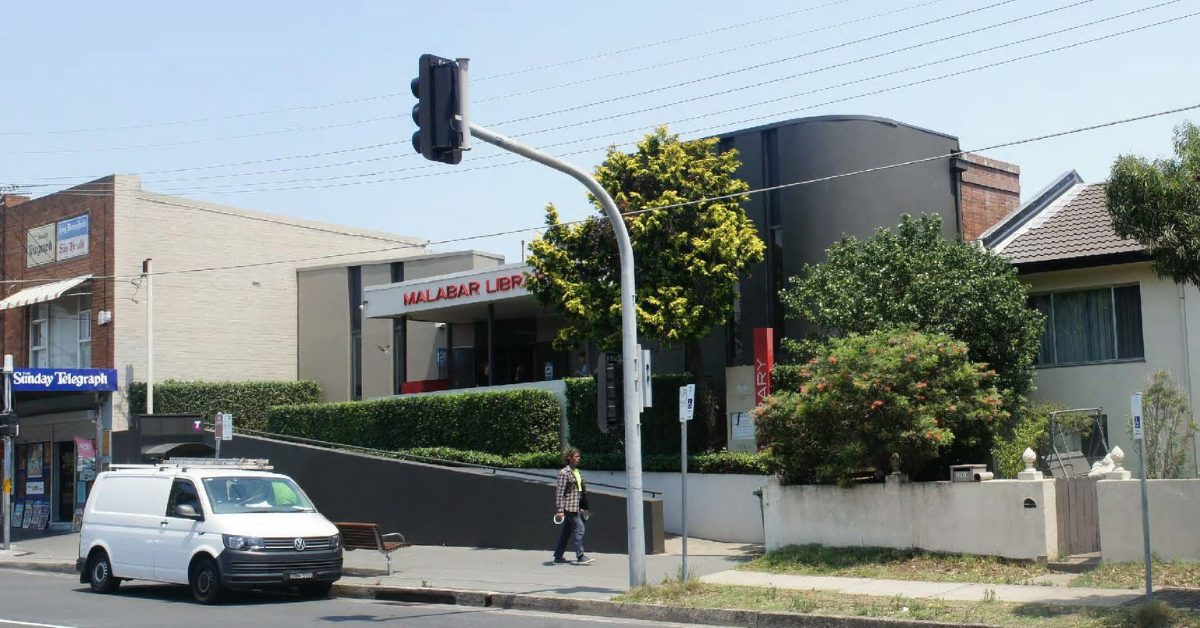
The hidden architectural history of Malabar will be brought back to the surface as preparations are being made to strip away 1970s additions to reveal the original mid-century soul of the local memorial hall.
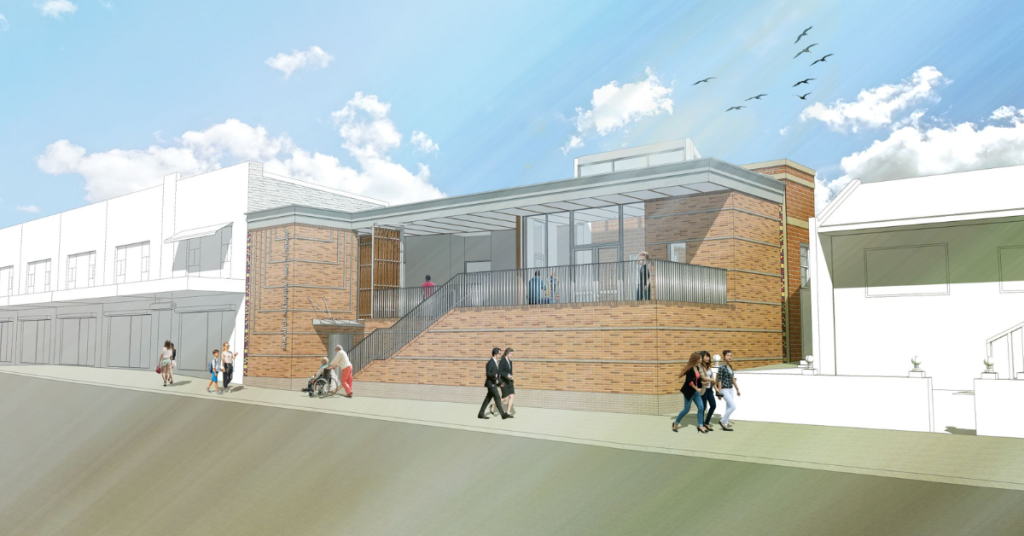
The planned works focus on stripping away a 1970s ramp and foyer that currently hide the building’s 1950s heritage. By removing these older parts, the project aims to show off the original brickwork while making the space much easier for everyone to use.
This project was approved by Randwick Councillors in late 2022 after a month of talking with local residents to ensure the design matched what the community needed. Construction is currently scheduled to begin during the 2024/25 financial year.
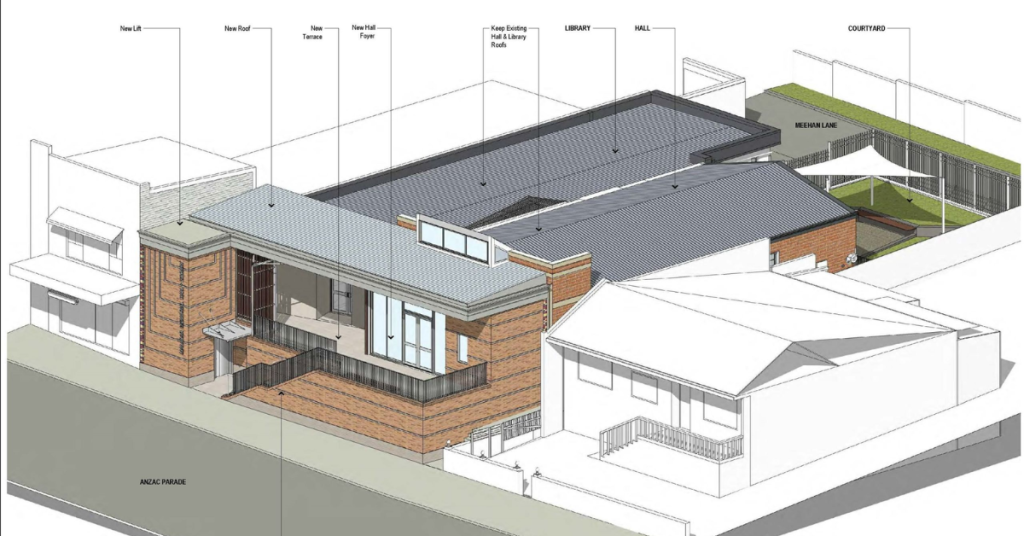
A major part of the project involves fixing problems with how people get into the buildings. The current ramp does not meet modern building standards, so it will be replaced by a brand-new lift and a modern staircase. These changes will connect the Malabar Memorial Hall and the Malabar Community Library more effectively.
Inside the hall, visitors can expect better lighting and ventilation systems to keep the rooms comfortable during the hot summer months and cooler winters. The hall has been a central spot for parties and classes since it first started serving the public in 1957, and these updates are meant to keep it useful for many more years.
The library will receive a significant upgrade with the addition of its own unisex toilet, which means visitors will no longer have to walk across the road to find a public restroom.
The hall itself is being extended closer to the street to make room for a new kitchen and a better area for serving food. This extension also includes an outdoor terrace where people can gather. All existing bathrooms within the hall will be refreshed, and a new accessible toilet will be added to make sure the venue is welcoming for people of all abilities.
Sydney Water faces a formal pollution reduction order requiring it to remove a massive build-up of fats, oils and grease from its Malabar wastewater treatment plant, after investigations confirmed the accumulation as the most likely source of the debris balls that closed Sydney’s eastern beaches repeatedly from October 2024 to February 2025.
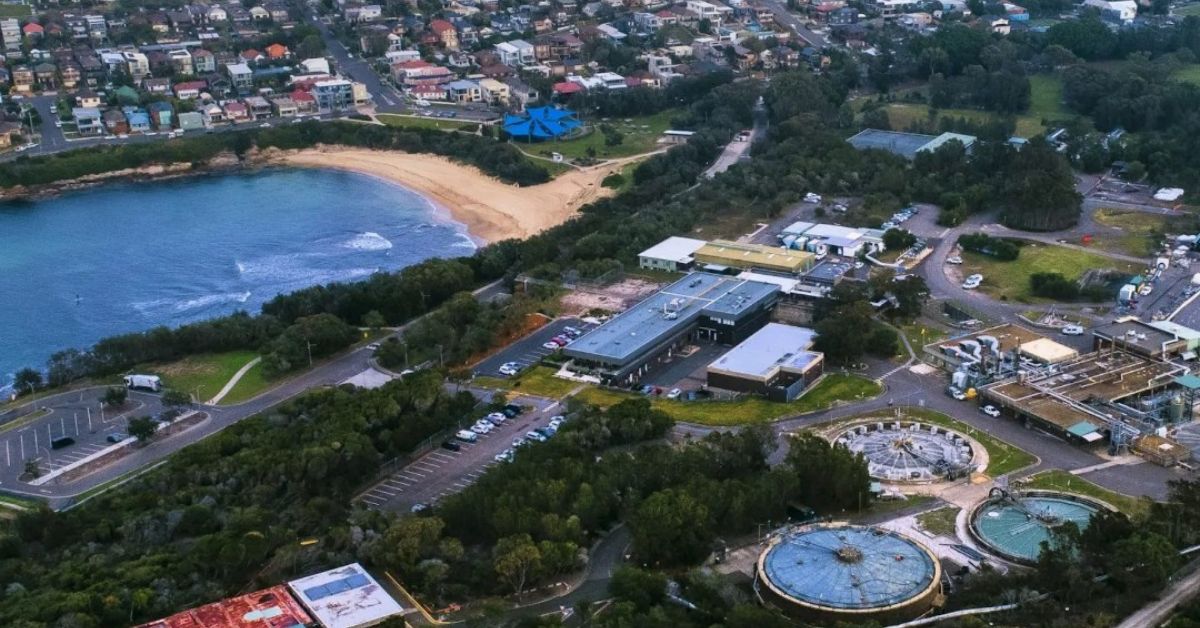
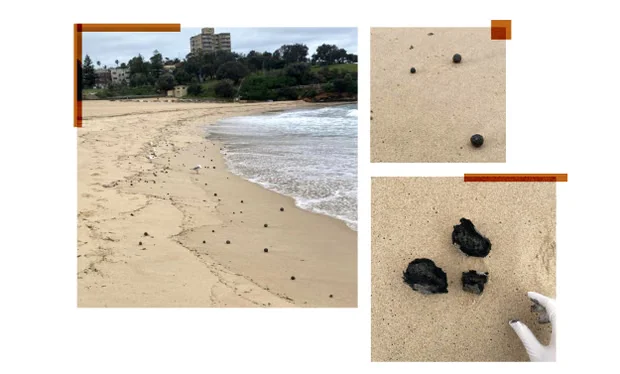
The New South Wales Environment Protection Authority issued the order on 23 February 2026, following months of investigation that traced the greasy black spheres washing up on beaches from Coogee to the state’s south coast to a deep, largely inaccessible chamber inside the Malabar deep ocean outfall. The outfall extends 2.3 kilometres offshore and handles wastewater from a catchment covering much of Sydney’s inner-east and western suburbs.
For residents of Maroubra, Coogee and Malabar, who watched clean-up crews comb their beaches through the summer of 2024–25, the EPA’s order represents its most significant regulatory escalation so far in response to a crisis that disrupted one of the eastern suburbs’ most-used coastlines, after the agency issued a Preliminary Investigation Notice in April 2025.
What the Fatberg Is and How It Formed
Investigators including Professor Stuart Khan, a wastewater engineer from the University of Sydney and chair of the EPA’s advisory panel, traced the source of the debris to decades of accumulated fats, oils and grease adhering to the inner walls of pipes feeding into the Malabar system. When heavy rainfall events strike, those accumulated deposits dislodge and flush through the outfall tunnel into the ocean, where wave action rolls them into the black balls that beachgoers encountered on the sand.
Photo Credit: Sydney Water
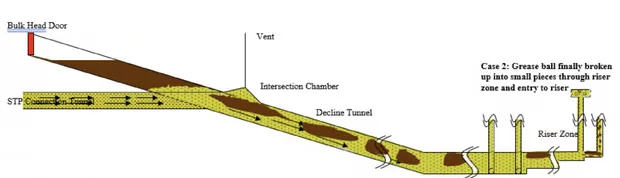
A Sydney Water assessment report from August 2025 identified the build-up as concentrated in a 300-cubic-metre chamber behind the bulkhead door of the deep ocean outfall, a dead zone beyond the accessible stopboards that workers cannot safely enter. Sydney Water estimates the fatberg could be the size of four Sydney buses, though the organisation cannot measure it precisely because of the access constraints.
Two specific events accelerated the release of debris balls into the ocean. A loss of power at the plant in October 2024 stopped the raw sewage pumps for four minutes, and the rapid pressure surge when power returned dislodged a portion of the accumulated fatberg. A similar pressure spike driven by heavy wet weather in January 2025 produced the same result.
Why Fixing It Is Not Simple
The engineering challenge at the heart of the Malabar problem is significant. The bulkhead door that provides the only access point to the outfall chamber sits underwater and can only be opened at low tide and during low system flows, making safe entry to the inaccessible area beyond the stopboards impossible under current conditions.
Taking the plant fully offline to access the chamber would require diverting sewage to cliff face discharge, a method that would close Sydney’s beaches for months. Sydney Water’s own August 2025 report acknowledged this approach had never been used and was no longer considered acceptable. That acknowledgement confirmed that the chamber was not designed with regular maintenance in mind when engineers built it in the 1980s.
Photo Credit: Sydney Water
Sydney Water already conducts regular cleaning of the accessible sections of the outfall, itself described in the report as an extremely risky operation. In April 2025, workers removed 53 tonnes of accumulated fats, oils, grease and debris balls from those accessible areas.
What the EPA’s Order Requires
The pollution reduction order covers both immediate and longer-term actions. Sydney Water must remove the build-up of fats, oils and grease from the hard-to-access bulkhead area, develop a system to capture debris overflowing from the sewer during severe wet weather events, and conduct a study into the formation and weathering of debris balls to improve tracking capability. The order also requires Sydney Water to consider artificial intelligence or other technology to monitor for the formation of future debris balls before they reach the ocean.
Planned upgrades to the Malabar system are part of a 10-year, $3 billion investment program.Sydney Water is also advancing recycled water initiatives to reduce the total volume of sewage discharged into the ocean.
That longer-term programme reflects a wider recognition that the debris ball crisis is not solely a maintenance problem at one facility. Khan noted that Sydney’s growing population and rising number of food outlets operating without proper grease traps have intensified the problem over time, allowing more fats to enter the wastewater system and form blockages at greater scale than previous decades.
Sydney Water’s Response and Community Impact
Sydney Water confirmed it would implement the EPA’s required measures in close collaboration with the watchdog, and said it was working with the independent Wastewater Expert Panel, local authorities, agencies and the community throughout the process.
That collaboration follows a period of public controversy over Sydney Water’s handling of the crisis. The utility initially insisted in November 2024 that the debris balls did not form from its wastewater discharges. Subsequent reporting established that claim was incorrect, and Sydney Water’s managing director later acknowledged publicly that the evidence pointed to the ocean outfall as the most likely source.
Community concern in Maroubra, Coogee and the surrounding suburbs remains high. The beaches most affected sit within walking distance of the Malabar outfall, and residents recall multiple closures through a period that should have been peak summer swimming season. The EPA’s order is the most direct regulatory action taken to date to prevent a repeat of those events.
Full details of the pollution reduction order and Sydney Water’s compliance program are available through the NSW EPA at epa.nsw.gov.au. Sydney Water’s own account of the debris ball investigation and planned works is available here.
A Marrickville woman has been sentenced over the abandonment of two dogs in a Malabar unit, one of which was later euthanised due to paralysis and severe neglect.
Police attending a former social housing unit in Malabar on 21 December 2023 discovered two abandoned American Staffordshire terriers. The officers were conducting a search unrelated to animal welfare when they found the dogs, who were living in squalid conditions.
Police records indicated the tenant was no longer living at the unit, and most personal belongings had already been taken. The unit, previously leased to a Marrickville resident through the NSW Housing Department, had faeces across the floor and no food was present for the dogs. Both animals were found flea-ridden, with urine-soaked fur and inflamed skin around their bellies.
Caption: An American Staffordshire Terrier (not one of Ms Hartley’s dogs) Photo Credit: Wikipedia
RSPCA Called In; One Dog Could Not Be Saved
Following the discovery, police contacted the RSPCA, which arranged immediate veterinary care for both dogs. One of the terriers, named Blade, was found to be paralysed from the waist down and was euthanised the next day due to the extent of his suffering. Veterinary assessment suggested the condition had persisted for more than a month, though it remained unclear whether the paralysis occurred before or after the dogs were left alone.
The second dog, named Desire, was taken into care at the RSPCA facility in the Hunter Valley.
On 6 May 2025, Krystal Hartley, a 31-year-old woman from Marrickville, appeared at Waverley Local Court. She pleaded guilty to two charges of failing to provide veterinary treatment to her animals. The court imposed a two-year community correction order with a recorded conviction, fined her $2000, and ordered her to pay $6333 in compensation to the RSPCA.
Her legal representative cited a relationship breakdown and drug dependency as contributing factors. The magistrate acknowledged her recent steps toward rehabilitation, including enrolling in TAFE and ceasing drug use, but described the offence as a clear failure to uphold basic responsibilities of animal care.
Public Reaction Calls for Stricter Penalties
The case has drawn widespread criticism online. Many respondents expressed dissatisfaction with the sentence, arguing that personal hardship should not excuse what they described as avoidable suffering. Some questioned why stronger penalties were not applied. Others called for tougher penalties or changes to cruelty laws.
While public opinion varied in tone, a consistent theme was concern that the sentence did not reflect the severity of the dogs’ suffering, with many calling for stronger penalties for animal cruelty.
The incident has added to ongoing discussions around animal welfare enforcement in New South Wales. Many advocates are now calling for mandatory bans on future pet ownership in similar cases. It is not yet confirmed whether any such restriction has been placed on the defendant in this instance.
A new mental health facility in Malabar is now treating some of the state’s most complex and high-risk patients, offering intensive support within the secure grounds of Sydney’s Forensic Hospital.
Opened in May 2025, the Freshwater Unit in Malabar is part of the NSW Government’s $700 million Mental Health Infrastructure Program. It supports people with severe mental illness who are involved with, or at risk of entering, the criminal justice system.
Run by Justice Health and Forensic Mental Health Network, the unit offers secure, specialised care for patients too complex for standard mental health settings. It provides 24-hour supervision to reduce harm and support long-term recovery.
Justice Health NSW says the unit supports their goal of delivering effective, safe, and recovery-focused care for people in forensic settings. While the facility is high-security, it also takes a clinical approach aimed at stability and rehabilitation rather than punishment.
Design That Supports Healing and Safety
The Freshwater Unit was designed by architecture firm NBRS to create a calm, private setting that reduces stress and agitation. It includes natural light, secure green courtyards and quiet rooms with soft colours, features that support recovery in high-risk mental health settings.
Using trauma-informed design, the space feels therapeutic rather than institutional, with layouts that allow discreet patient observation for safety.
Delivered with a Focus on Infrastructure and Function
Project management firm DCWC, working with Health Infrastructure NSW, delivered the Freshwater Unit as part of a 140-bed hospital made up of seven specialised units.
Built for intensive mental health care in a secure setting, the unit meets strict clinical standards and includes spaces for therapy, crisis support and individual treatment, while supporting staff to work safely and efficiently.
Supporting the Community Through Mental Health Care
Placing the Freshwater Unit in Malabar supports a broader plan to deliver specialist mental health care where it’s most needed, keeping people in treatment rather than custody.
The Malabar-based Freshwater Unit improves how the state handles forensic mental health, helping people stabilise with dignity while easing pressure on prisons and hospitals.
Plans for a new two-storey clubhouse at Pioneers Park in Malabar have progressed, with Randwick officials endorsing a draft concept design as part of its latest infrastructure agenda.
Caption: Artist’s impression of the proposed clubhouse and amenities at Pioneers Park. Photo Credit: RandwickCityCouncil
Randwick Council has endorsed a draft concept design to replace the outdated amenities building at Pioneers Park, Malabar. The proposed two-storey facility will be designed to better serve local sporting needs, particularly for the South Eastern Seagulls junior rugby league club.
The redevelopment will include new change rooms, a canteen, meeting rooms, and improved accessibility. The project carries a cost estimate of $5 million and will be funded over several years, with construction scheduled for the 2028–29 financial year.
Support for Junior Rugby League in Malabar
The current facility is no longer adequate for the size and activity of the South Eastern Seagulls, one of the largest junior rugby league clubs in the Souths Juniors competition. The new clubhouse will provide improved functionality and access to meet ongoing community demand.
Part of a Wider Council Agenda
The decision to progress the Pioneers Park upgrade was one of several key items addressed at the April 2025 Randwick Council meeting. Local officials also endorsed the draft 2025–26 Budget and Operational Plan, which outlines $44 million in infrastructure investment across the local government area.
Other projects include a planned amenities upgrade at Malabar Ocean Pool, an upgrade to Malabar Memorial Hall, and the rollout of new outdoor gyms—including one at Ella Reserve in Malabar.
Additional Developments Across the LGA
Local officials also advanced planning for a First Nations Cultural Precinct at La Perouse, supported emergency access upgrades at Little Bay Beach, and reaffirmed its backing of the South Sydney Rabbitohs’ move to Allianz Stadium. Safety initiatives for rock fishing and a return of local events like Spot On were also confirmed.
The Pioneers Park proposal will now enter a community consultation phase. Feedback from local residents and stakeholders will guide the refinement of the design before final works commence in line with the 2028–29 schedule.
A warning has been issued to Malabar residents, stating that individuals caught poisoning public trees could face fines of up to $3,000. This comes after multiple incidents of tree vandalism in the area, with several trees deliberately damaged using drill holes.
Tree vandalism has become a growing problem in Sydney, with four separate incidents reported in the past two years. The latest case involved a young tree on Cromwell Place, Malabar, being damaged with drill holes at its base. Local officials responsible for managing public greenery in the eastern suburbs have labelled tree poisoning a serious offence.
The first incident occurred in November 2023, when council staff discovered drill holes in a tree. A month later, two more Queensland Brushbox trees were vandalised. To address the issue, council workers performed ‘habitat pruning’ on the damaged trees in April 2024, ensuring the safety of the area while leaving trunks and main branches to provide a habitat for wildlife.
Margaret Hogg from Saving Sydney’s Trees has called for stronger action, highlighting that tree poisoning is becoming increasingly common in waterfront suburbs. She condemned the acts as selfish and ignorant, expressing support for the city authorities’ proactive stance on the matter.
Local officials have continued their efforts to restore the area by planting new scribbly gum trees in June 2024. However, suspected vandalism of these new trees was reported just five months later. In response, additional signage was installed to warn residents and potential vandals.
Voices of Concern
Residents and campaigners alike have expressed frustration at the repeated damage. Ms Hogg praised the authorities’ commitment to protecting the urban forest, emphasising the need for continued vigilance and community involvement to prevent further vandalism.
Legal Actions and Penalties
Under New South Wales law, the maximum fine for illegal tree removal can reach $1 million if the Land and Environment Court deems it severe. However, in Sydney, it is limited to issuing fines up to $3,000. In comparison, Melbourne councils can issue fines of up to $3,800, while other states, such as Western Australia, have significantly lower penalties.
Caption: For Illustration Purposes Only Photo Credit: Pexels
The council’s commitment to tackling tree vandalism in Malabar remains strong, with continued efforts to replant and protect public greenery. As authorities call on the community to help safeguard urban trees, the message is clear: acts of tree vandalism will not be tolerated.
Thrill-seekers and cycling fanatics in Malabar have scored a major win, with Randwick City Council giving the green light to build a dedicated bike park right in the heart of the suburb.
At their April 30th meeting, councillors endorsed Cromwell Park North as the site for the region’s first facility catering to mountain bikers, BMX riders, stunt cyclists, and scooter enthusiasts.
The decision comes after strong lobbying from local bike riding groups who have been pushing for a park to call their own without having to trek to the Northern Beaches or Sutherland Shire.
Randwick Mayor Philipa Veitch said the large expanse of Cromwell Park and its proximity to parking made the Malabar location an ideal choice for a bike park.
“Bike riding is a popular activity for many young people. Bikes parks have been built in the Northern Beaches and Sutherland Shire and there has been strong demand from Randwick City residents for a local facility,” Mayor Veitch stated.
If the $1.35 million plans are realised, adrenaline junkies can look forward to a buffet of riding experiences including mountain bike trails, an asphalt pump track, a skills zone with stone and timber obstacles, and a dirt jump area.
The bike park ticks off a key initiative in the Council’s Open Space strategy and will be a huge draw card for families across the eastern suburbs looking to foster an active lifestyle.
Trailscapes also proposed these tracks, trails and ramps for the new bike park Photo Credit: Randwick City Council
With concept designs and community consultation next on the agenda, construction is slated to kick off in the 2024-25 financial year.It’s a win for Malabar’s thrill-seekers, who will soon have a world-class riding playground right on their doorstep.