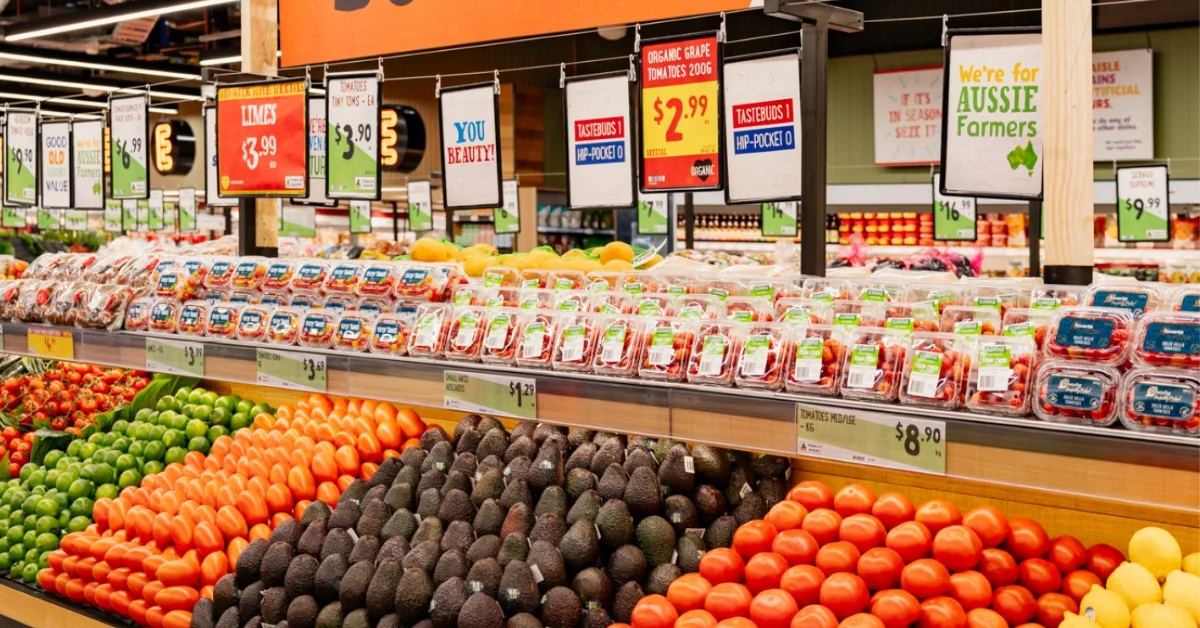
The Harris Farm Markets store officially opened on 4 December 2025 at Pacific Square Shopping Centre, Maroubra. The opening marked the arrival of the retailer in the beachside suburb, welcoming shoppers to a new fresh food destination.
The Maroubra opening is one of several new stores launched by Harris Farm Markets in 2025, following openings in Dural, Marrickville and Miranda.
Photo Credit: Harris Farm Markets/Facebook
Fresh Food and Grocery Range
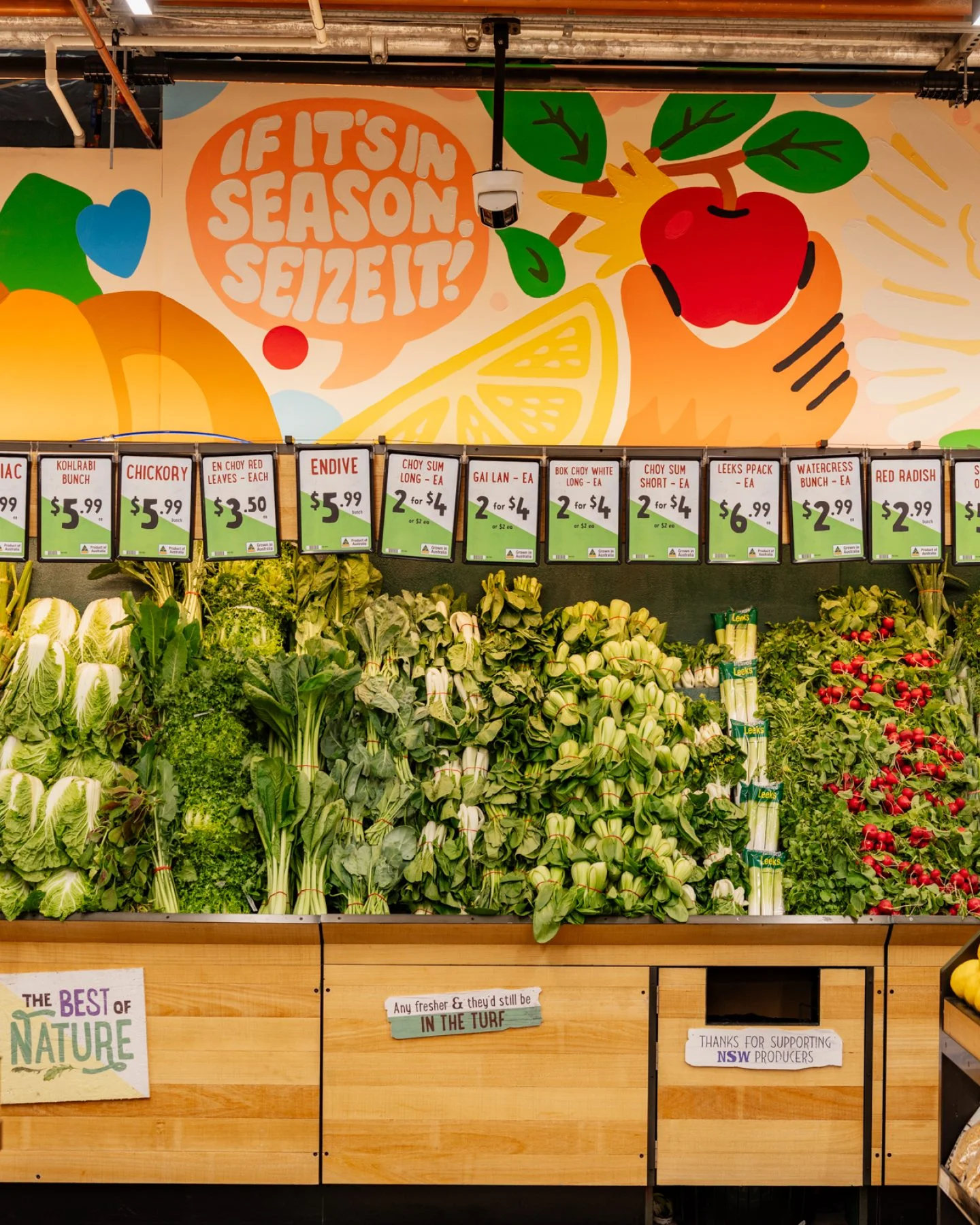
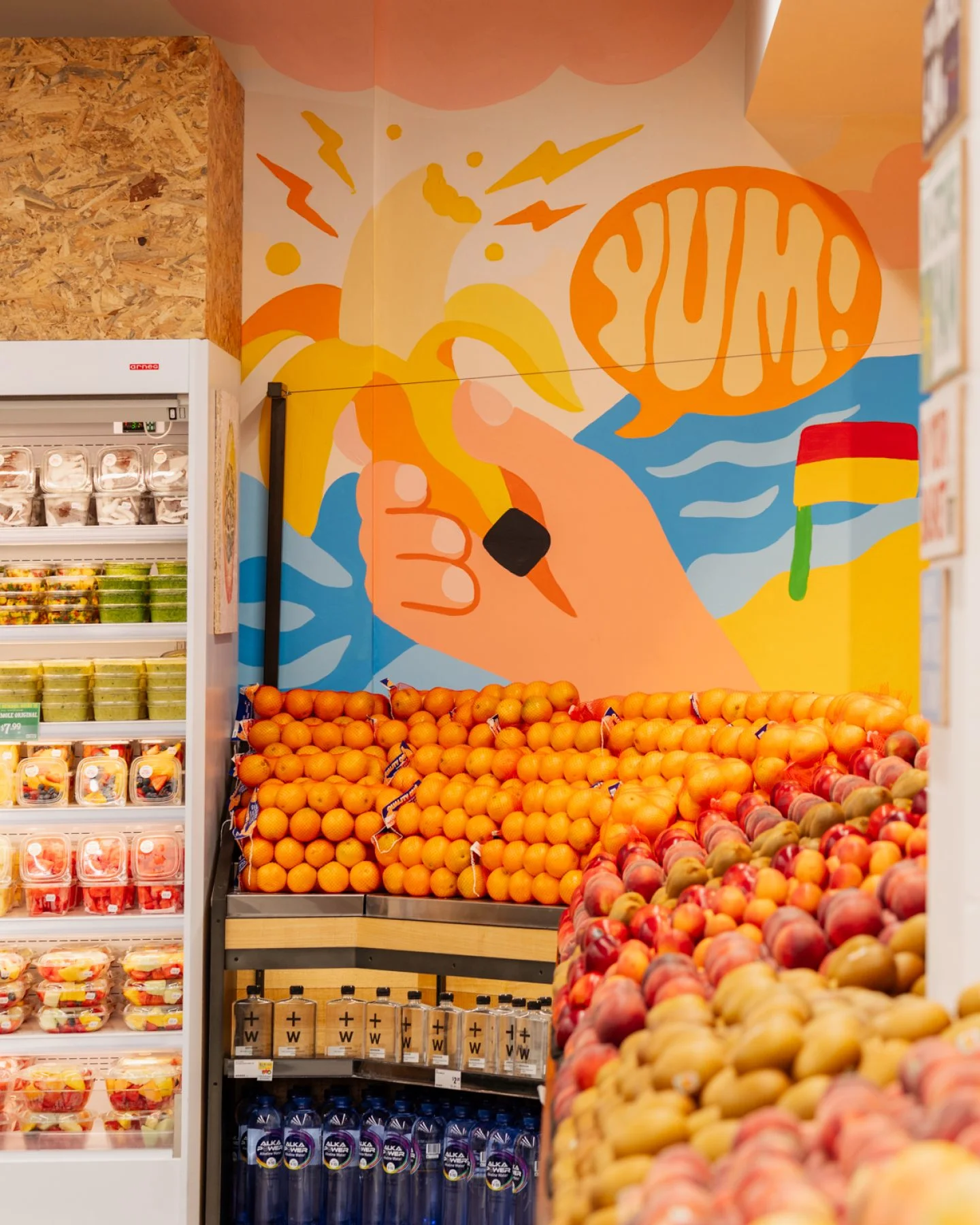
The Maroubra store offers a selection of seasonal fruit and vegetables, alongside everyday groceries and pantry staples. The store brings together fresh produce and food items in a market-style setting.
Shoppers can also access a wide cheese range featuring local and international options, as well as a curated selection of premium pre-packed meats and charcuterie.
Photo Credit: Harris Farm Markets/Facebook
Sustainability and Local Products
Sustainability remains a focus at the Maroubra store through the continued use of the Imperfect Picks range. This includes fruit and vegetables that may not meet cosmetic standards but are suitable for consumption, helping reduce food waste while supporting Australian farmers.
The store also stocks artisan and gourmet products made by local suppliers, with an emphasis on products produced without artificial colours.
Photo Credit: Harris Farm Markets/Facebook
Opening Activities and Early Feedback
To mark the opening, Harris Farm Markets Maroubra ran in-store specials and hosted tastings from selected suppliers. Early feedback shared on social media reflected positive reactions from customers, with comments welcoming the new store and noting its size and product range.
With the Maroubra store now open, Harris Farm Markets adds another location to its growing network across Sydney suburbs, offering fresh produce, grocery items and sustainability-focused initiatives at Pacific Square.
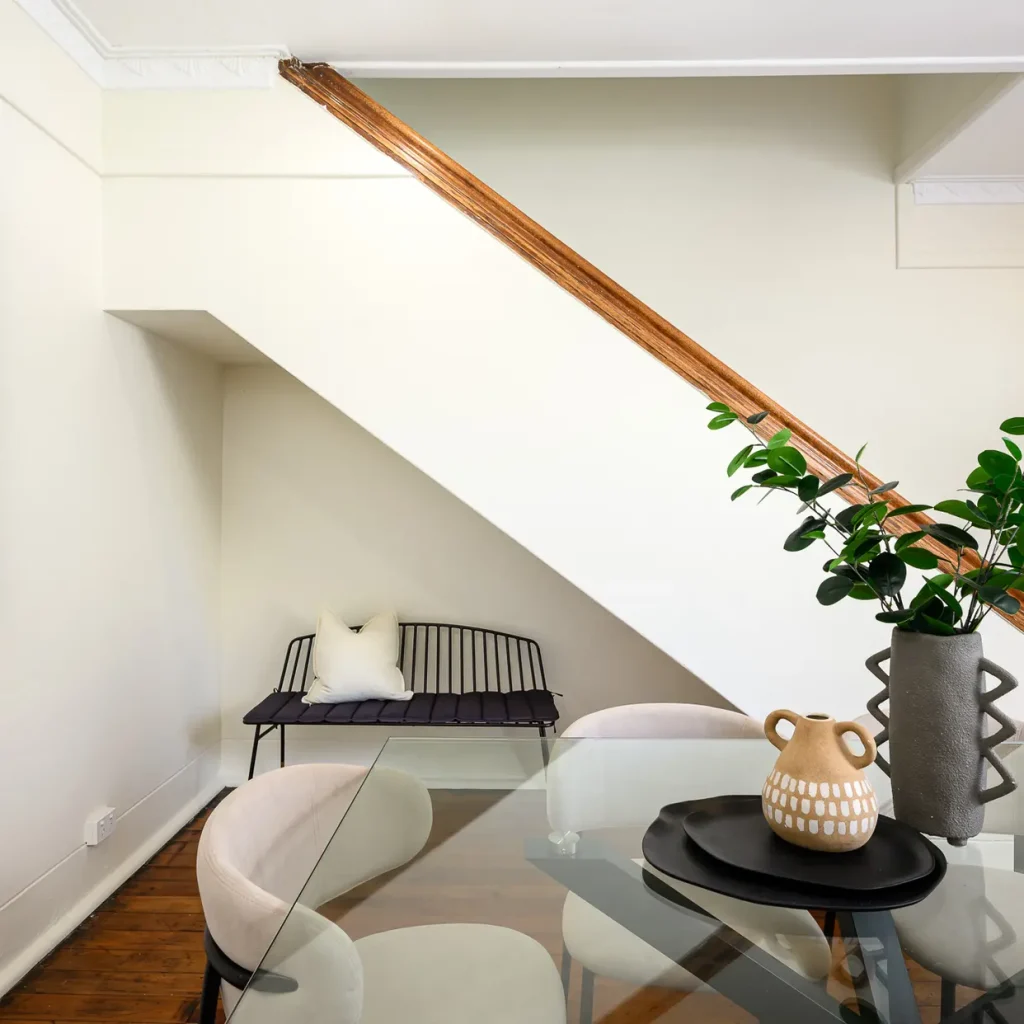
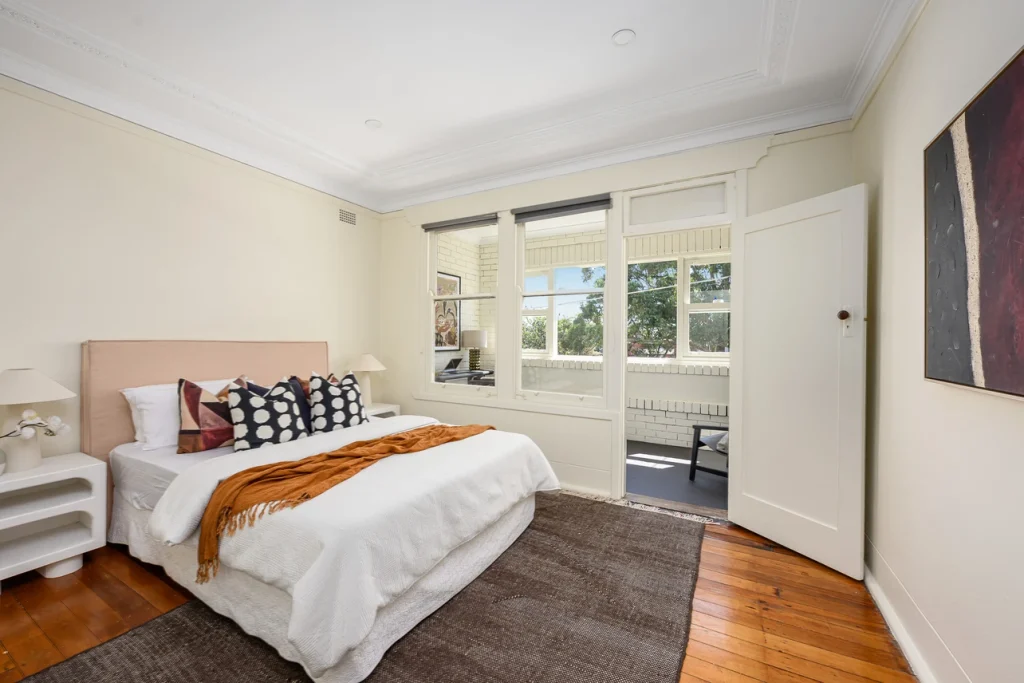
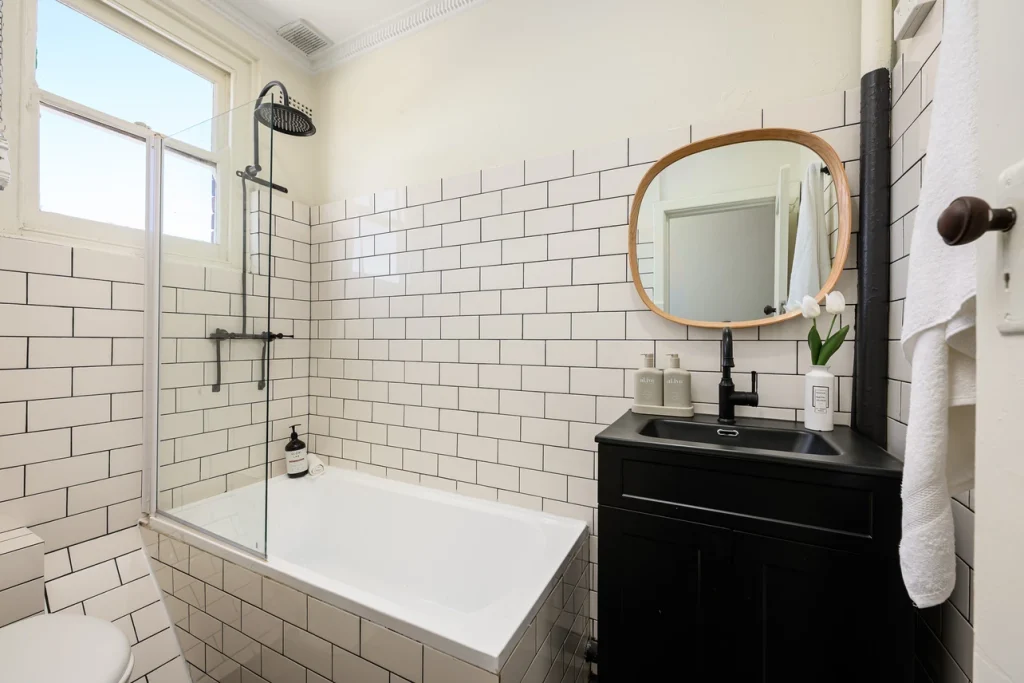
A historic Maroubra property with deep ties to one of Australia’s most significant food culture pioneers has been listed for sale, marking the first time it has changed hands outside the family in 95 years.
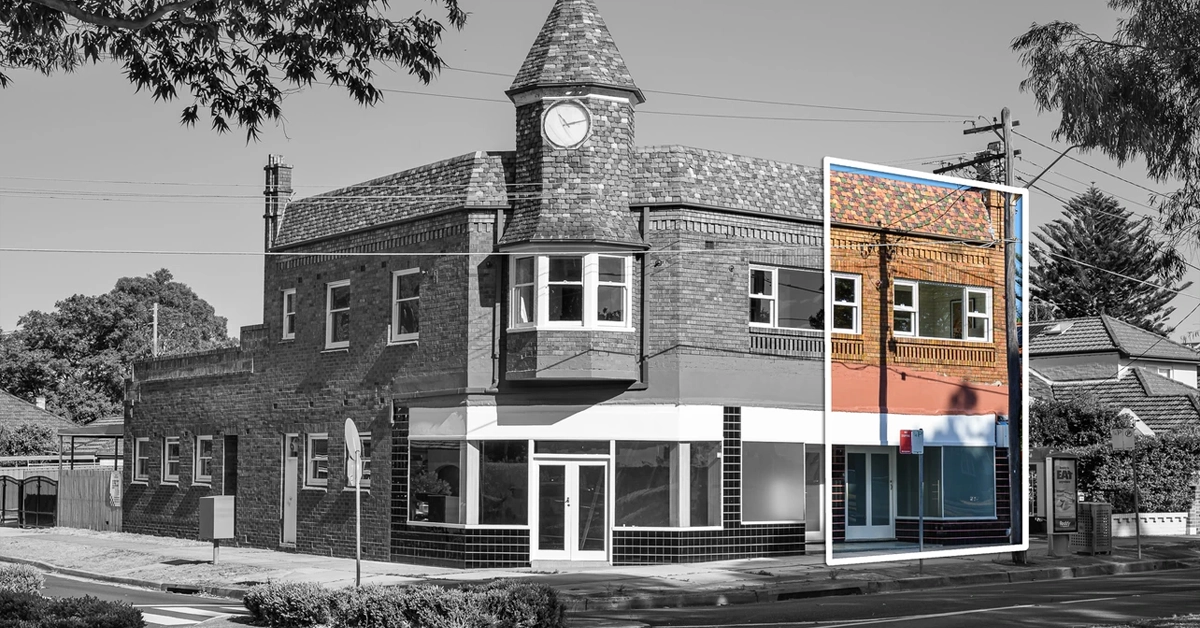
The two-storey residence at 3/730 Anzac Parade, known as Bettina, was built by Joachim Tavlaidis, better known as Mick Adams – the Greek immigrant who opened Australia’s first American-style milk bar in 1932.
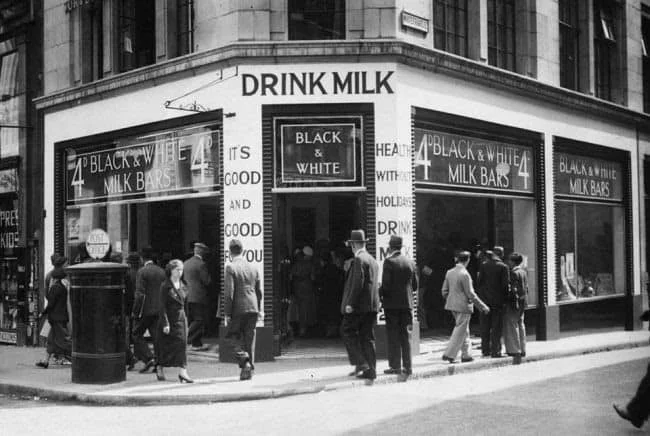
Adams arrived in Australia from Greece as a 14-year-old in the early 1920s. A decade later, he would change the nation’s food landscape forever when he launched the Black & White 4d milk bar at Martin Place in Sydney on 4 November 1932, according to historians Effy Alexakis and Leonard Janiszewski.
The Black and White 4d. Milk Bar in Martin Place Photo Credit: Facebook / ShirleyAnn Williams
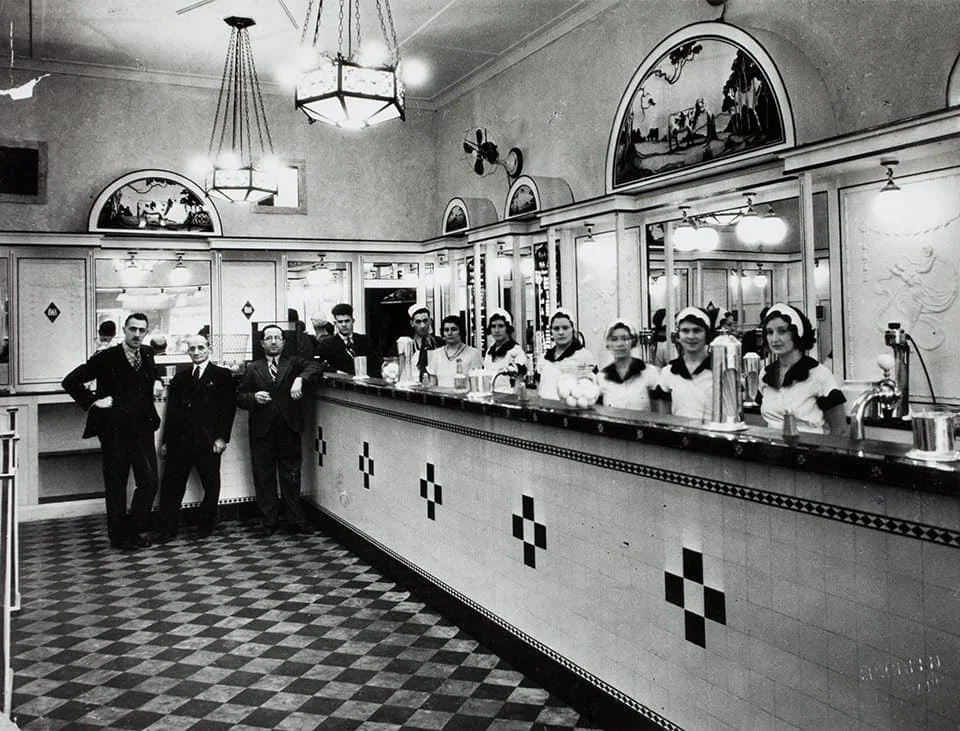
The milk bar concept proved wildly successful. By 1937, approximately 4,000 milk bars were operating across Australia, transforming how Australians socialised and consumed food.
Inside the Black and White 4d. Milk Bar Photo Credit: Facebook / ShirleyAnn Williams
Adams constructed the Maroubra property as a wedding gift for his daughter. The building, distinguished by its clock tower, has served various commercial purposes over the decades – operating as a milk bar, butcher shop, pizza restaurant and other ventures.
“He gave the property to my mother as a wedding present, and she owned it until her passing last year,” grandson Michael Gerondis explained in a statement.
Mr Gerondis and his sister purchased the property from their siblings and undertook extensive renovations to preserve its heritage while creating modern living spaces.
The restoration revealed fascinating glimpses into the building’s past. Workers discovered newspaper and linoleum from 1937 beneath the kitchen carpet, with floorboards underneath that had never been walked on.
“The floorboards had never been walked on – they’re pristine. We’ve polished them and they’re being used for the first time in nearly 90 years,” Mr Gerondis said.
The property’s iconic clock, frozen in time for 30 years, is now working again following the restoration.
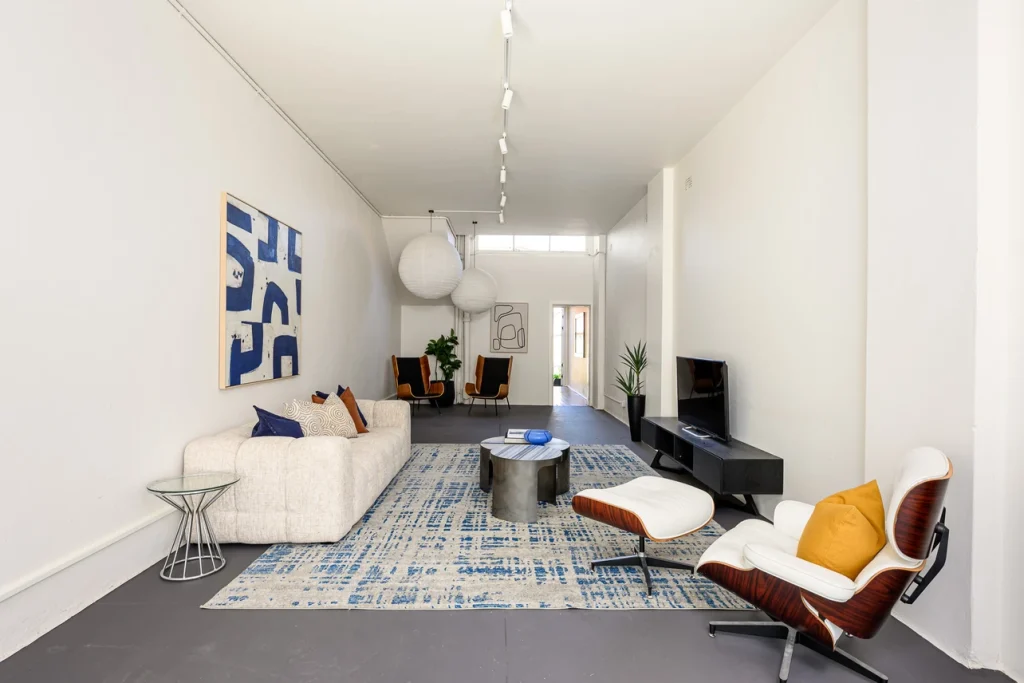
The building has been converted into three family terraces, with the property for sale featuring generous proportions and significant original character. The former milk bar space became a recreational room during Mr Gerondis’s son’s tenancy, complete with a pinball machine and basketball court.
Ray White Dulwich Hill agent Steve Kremisis is handling the sale, with the property carrying a guide price of $1.8 million.
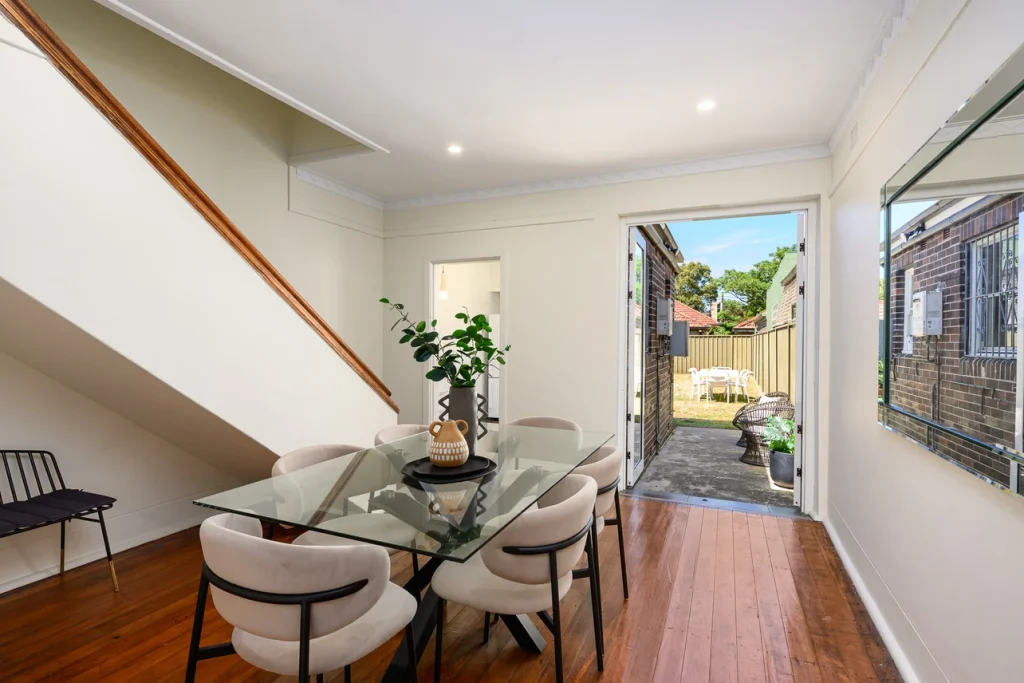
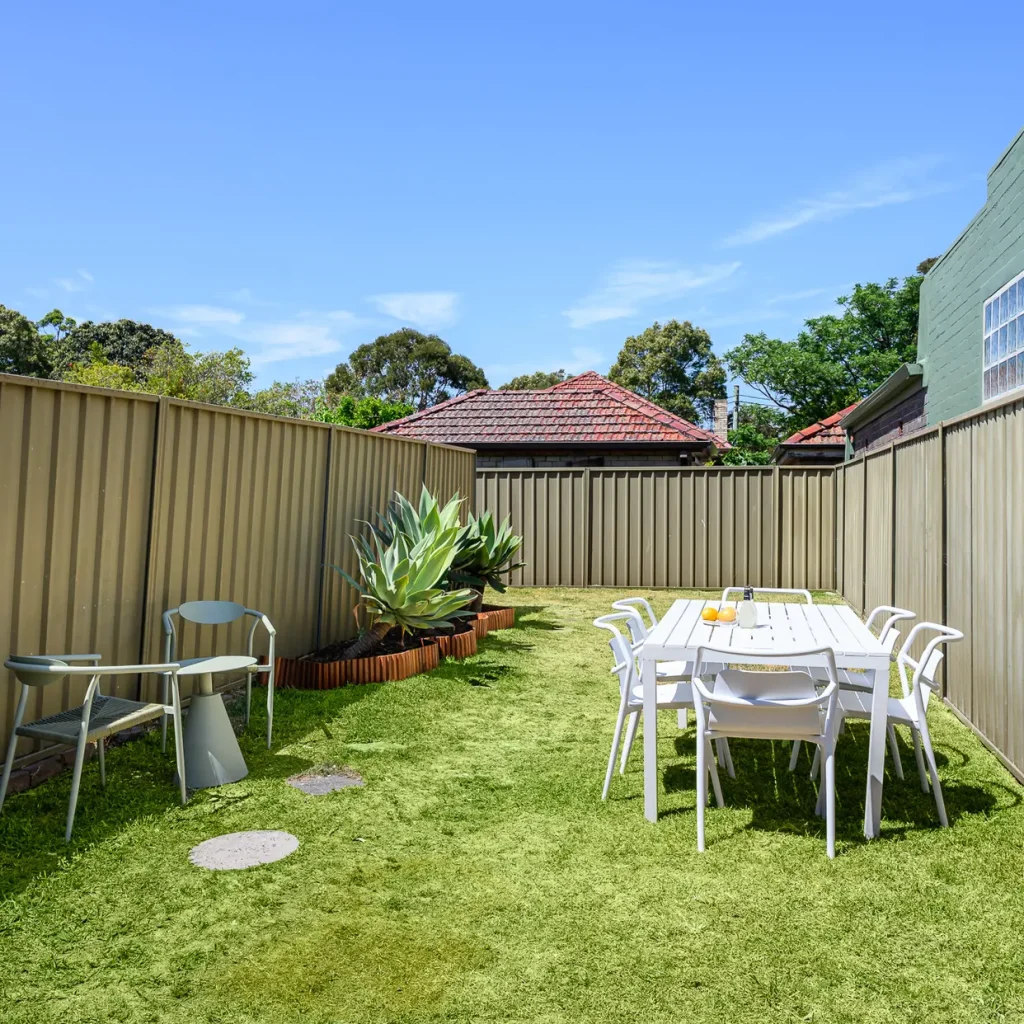
The listing describes the residence as smartly upgraded with impressive proportions, traditional charm and a deep rear garden, positioned in Maroubra’s sought-after Golden Triangle precinct.
Adams’ legacy received formal recognition in July 2024 when a commemorative plaque was unveiled in Martin Place, Sydney, after a seven-year campaign. The plaque acknowledges Adams’ achievement in establishing what historians believe was the world’s first modern milk bar, though both of Adams’ daughters had passed away before seeing the plaque installed.
The property is being offered for the first time in its history to buyers outside the Adams family, representing a rare opportunity to own a piece of Australian food history in one of Maroubra’s most recognisable buildings.
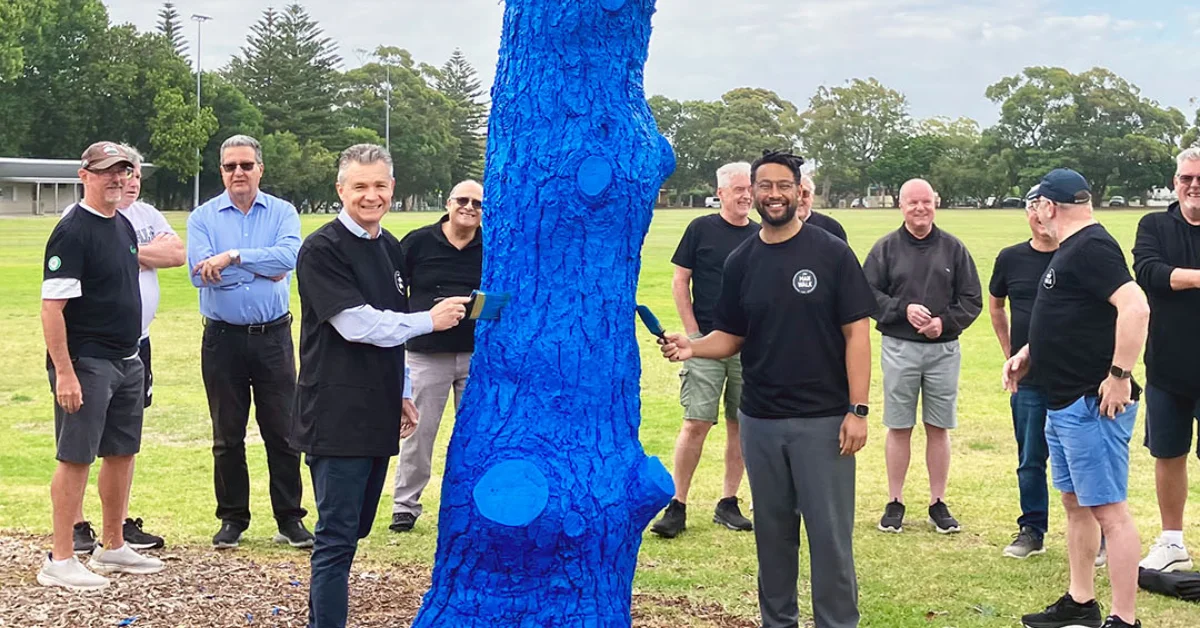
A dead tree at Nagle Park in Maroubra has been painted blue as part of a national mental health awareness initiative involving local community members.
On 14 November 2025, community participants gathered at Nagle Park to paint a dead tree blue as part of the Blue Tree Project. The project began in 2019 and now includes more than 1,500 trees across Australia, each serving as a visible reminder to encourage mental health discussions.
The Maroubra chapter of The Man Walk proposed the idea earlier in the year to encourage connection and reduce social isolation. The group conducts weekly walks designed to offer men a supportive and open environment.
Photo Credit: RandwickCityCouncil/Facebook
Details of the Blue Tree Project
The Blue Tree Project places painted blue trees in public spaces to help break down barriers around mental health. The newly painted tree in Nagle Park joins the national network of symbolic installations aimed at prompting conversation.
Members of The Man Walk highlighted that the tree is intended for the wider community and hoped it would prompt questions from people passing through the park. Suicide remains a leading cause of death for males aged 15 to 44 in Australia, underscoring the importance of such initiatives.
Plans are underway to install signage next to the painted tree, offering guidance on where to access support.
Support services listed include: • Lifeline 13 11 14 • Beyond Blue 1300 224 636 • MensLine Australia 1300 789 978
The Man Walk Maroubra meets every Friday at 7:15 a.m. outside the Heffron Park Tennis Centre.
Photo Credit: RandwickCityCouncil/Facebook
Growing Community Support
The Man Walk has expanded nationally, now running weekly in more than 80 Australian locations. Participants have collectively walked over 2.25 billion steps, reflecting the growing interest in simple, accessible community connection.
The Maroubra initiative reinforces this approach by providing a visual symbol aimed at strengthening mental health awareness within the suburb.
Local Messages of Support
Members involved in the initiative expressed that the blue tree is meant to reassure the community that seeking help is acceptable. They hope the installation encourages conversations and prompts individuals to check in on others.
The painted tree will continue to stand in Nagle Park as a symbol of mental health awareness in Maroubra. Planned signage will guide residents towards support services and reinforce the message of connection and care.
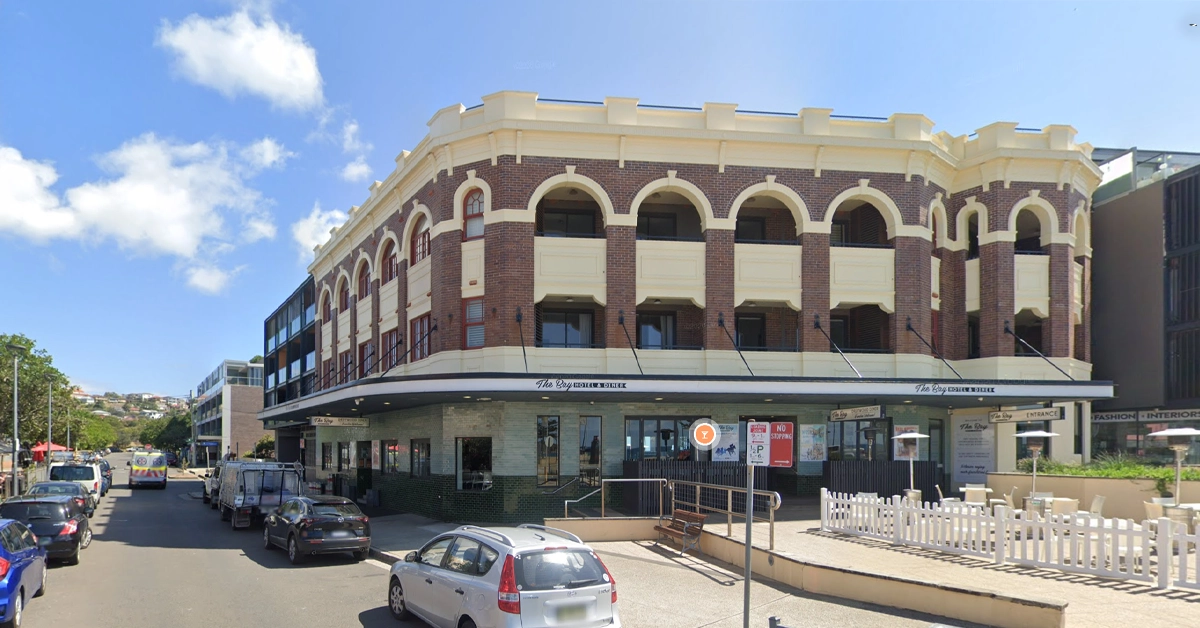
A 23-year-old woman has been hospitalised after being struck by a wrench during a violent altercation involving teenage males outside the Bay Hotel in Maroubra on Monday afternoon.
NSW Police were called to McKeon Street just after 12.45pm following reports of a brawl involving approximately four male teenagers. According to a police spokesperson, the woman sustained head injuries after being hit by a wrench that was thrown by one of the group during the confrontation.
Authorities have confirmed the woman had no connection to the group involved in the fight.
Paramedics from NSW Ambulance treated the woman at the scene before transporting her to Prince of Wales Hospital for further medical care.
Officers from Eastern Beaches Police Area Command attended the incident and established a crime scene. Police have seized the wrench for forensic examination as part of their ongoing investigation.
Video footage of the incident has circulated on social media, showing several young males engaged in the altercation on McKeon Street, near the popular beachside hotel. The confrontation occurred in broad daylight in the busy Maroubra area.
Police are continuing their inquiries and have appealed for anyone with information about the incident to contact Crime Stoppers on 1800 333 000.
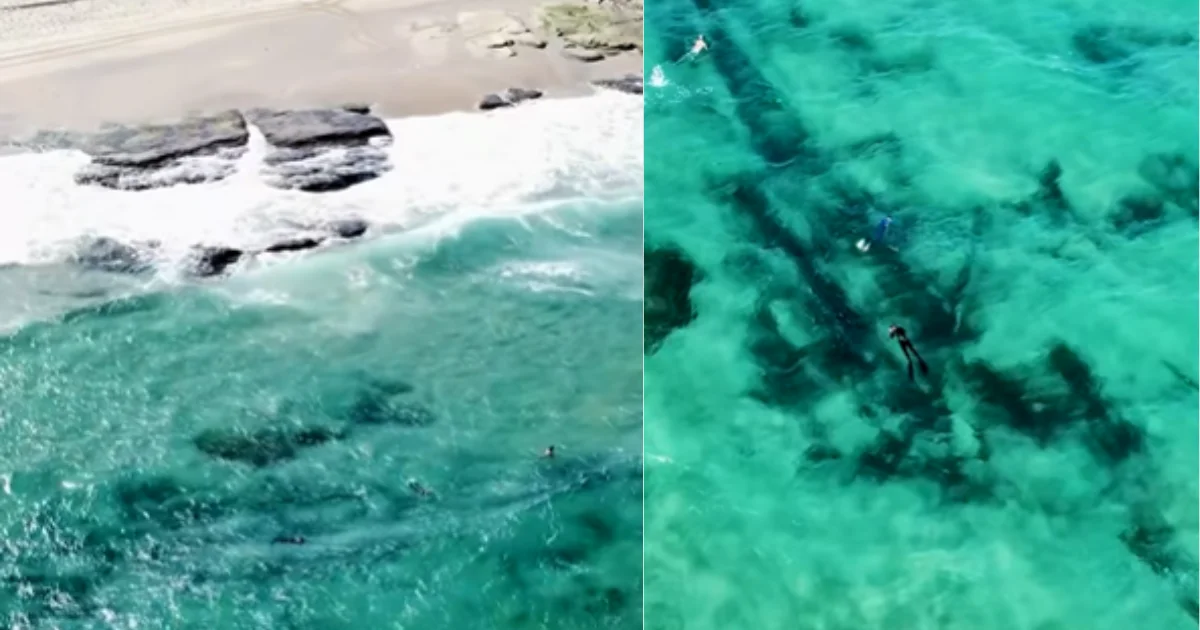
Powerful surf in recent months has shifted large volumes of sand from the northern end of Maroubra Beach, uncovering a significant section of the Hereward, the three-masted iron clipper that ran aground more than a century ago.
In the past two months, large surf events have removed enough sand to reveal a much larger portion of the Hereward’s hull than is typical. The wreck lies about 50 metres from shore in roughly three metres of water depending on the tide, and it sits under a surf break.
Lifeguards are advising caution: because of surf conditions and underwater structure, only snorkellers with good experience should consider approaching.
Hereward in 2013 (Photo credit: Facebook/Randwick City Council)
The Hereward has long been of interest to local heritage and maritime historians. When it was previously exposed in 2013, a bronze cannon was recovered and is now displayed at the Maroubra Seals Club. The wreck is protected under federal heritage legislation, and removal of any part is prohibited.
History of the Hereward
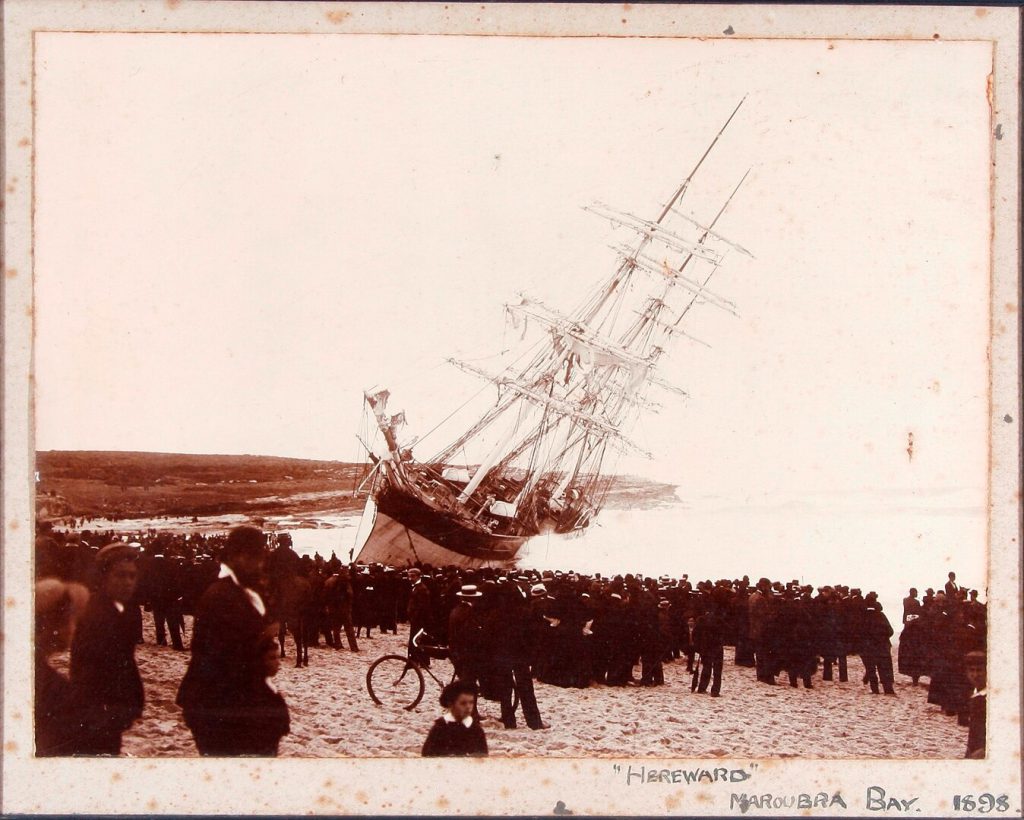
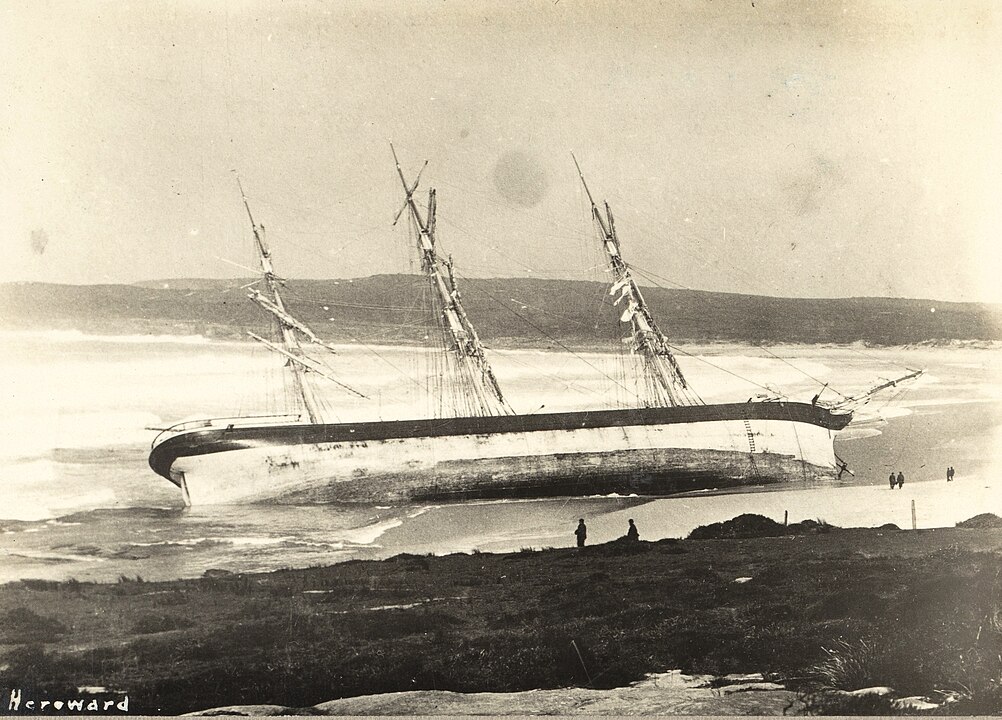
The wreck of the HEREWARD on Maroubra Beach in May 1898 attracted a great deal of public interest (Photo credit: No restrictions/Australian National Maritime Museum on The Commons/Wikimedia Commons)
The Hereward was a full-rigged iron clipper built in Glasgow in 1877. It weighed around 1,513 tons and had three masts. The ship was making a coastal passage up the New South Wales coast on 5 May 1898 when it encountered a violent storm that ripped its sails to pieces.
Photo credit: Public Domain/State Library of New South Wales, PXA 1152/Vol. 8/Wikimedia Commons
Despite the chaos, the Hereward managed to avoid two rocky reef formations near Maroubra and came to rest on the soft sand at the beach’s northern end. Miraculously, all 25 crew members reached shore safely, reportedly making their way to a nearby wool-scouring works.
Attempts to refloat the vessel later that year were unsuccessful. Tugs pulled the ship off the beach, but another gale forced it back out, and subsequent wave action broke the hull into two. Over time, most of the wreck buried beneath shifting sand. By 1937, only a triangular “dorsal fin” of the hull was visible, according to historical records.
During the 1950s and 1960s, Randwick City Council and navy divers carried out controlled blasting of exposed metal to reduce danger to swimmers and surfers. Nonetheless, substantial parts of the wreck remain under the seabed, occasionally resurfacing when conditions permit.
For residents of Maroubra, the re-emergence of the Hereward is not just a historical curiosity—it’s a tangible link to the suburb’s past and an ongoing reminder of the power of nature. As the ocean continues to reshape the beach, the Hereward periodically offers glimpses of a bygone era, resurfacing when the surf allows.
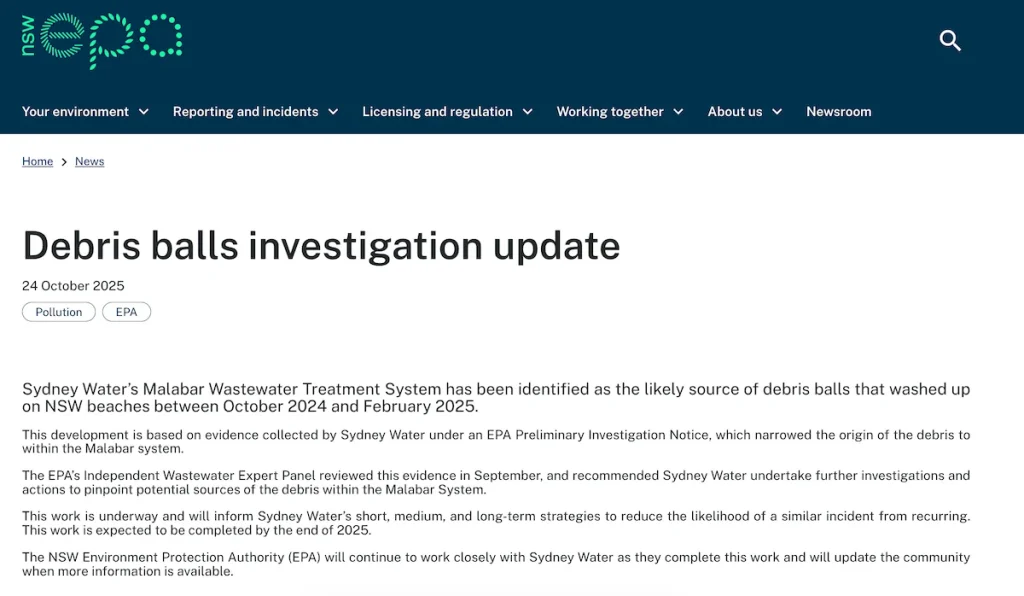
Residents across Sydney’s eastern beaches are learning that the murky balls of waste that washed ashore last summer likely came from the Malabar wastewater system, after environmental experts traced the source of the pollution to fats, oils and grease built up deep within the city’s sewer network.
The findings stem from a partly redacted report commissioned by Sydney Water and obtained under freedom of information laws by the media. The report, backed by an investigation from the NSW Environment Protection Authority (EPA), concludes that Malabar’s deepwater ocean outfall — a major part of Sydney’s sewage network — was the most likely source of the greasy debris that closed beaches between October 2024 and February 2025.
The EPA confirmed that tests matched the debris with human-generated waste, including fats and faecal material, and said further investigations are under way to locate the exact build-up within the Malabar system.
Experts including Professor Stuart Khan, a wastewater engineer from the University of Sydney and chair of the EPA’s advisory panel, explained that the sewer feeding into Malabar had decades of accumulated fats, oils and grease that had adhered to the inner walls of pipes. These materials, combined with heavy rainfall, dislodge and flush waste deposits through the outfall tunnel, releasing them into the ocean.
According to Khan, the composition of the debris also matched industrial hydrocarbons consistent with wastewater from western Sydney, which is serviced by the Malabar catchment. He noted that the city’s growing population and rising number of food outlets without proper grease traps have intensified the problem, allowing more fats to enter the system and form blockages.
Rainfall and fats create a perfect storm
Environmental modelling by consultant firm WQ Data, commissioned by Sydney Water, showed how these fats and particulates could accumulate and then be swept into the sea following storms. Once expelled, the waste was rolled by waves into the black balls seen on beaches from Coogee to the state’s south coast.
The EPA’s findings indicate that while the Bondi and North Head treatment plants were also considered, Malabar’s heavier industrial inflows made it the most probable source.
Investigations and cleanup efforts continue
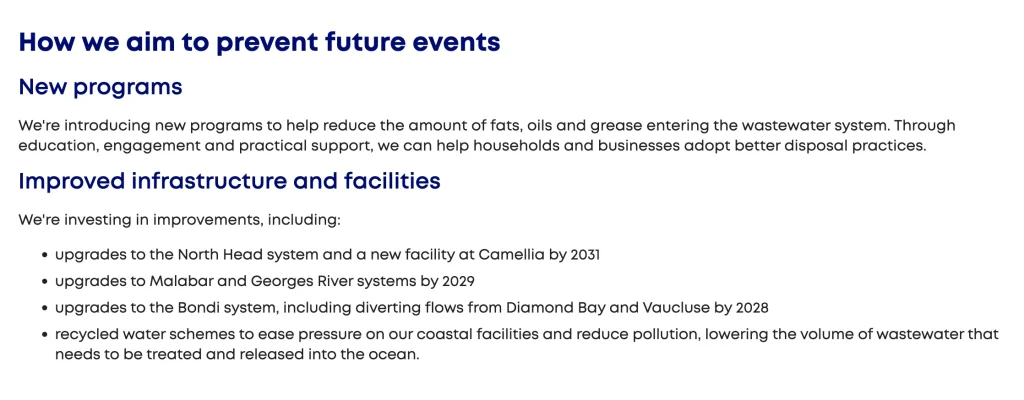
Sydney Water and the EPA are now working to prevent future events by strengthening trade waste controls, enforcing grease-trap maintenance, and exploring infrastructure upgrades. The agency is developing programs to reduce fats, oils and grease entering the wastewater system.
Planned upgrades to the Malabar and Georges River facilities are due by 2029, with further improvements at North Head and Bondi expected by 2031. The utility is also advancing recycled water initiatives to reduce the overall volume of sewage discharged into the ocean.
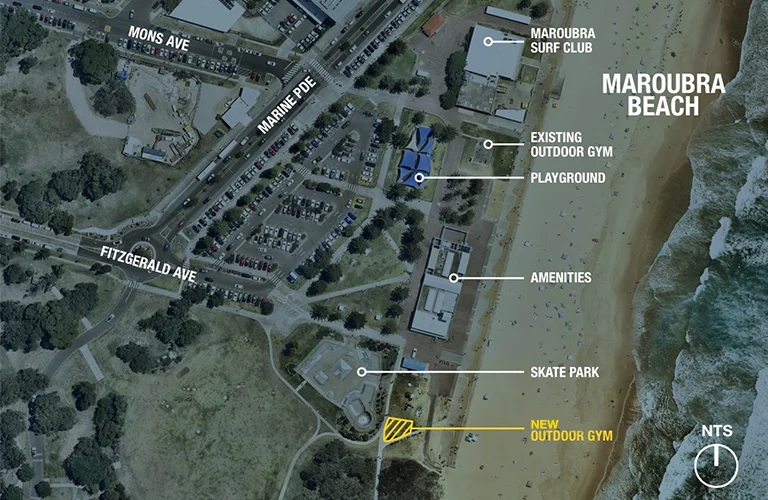
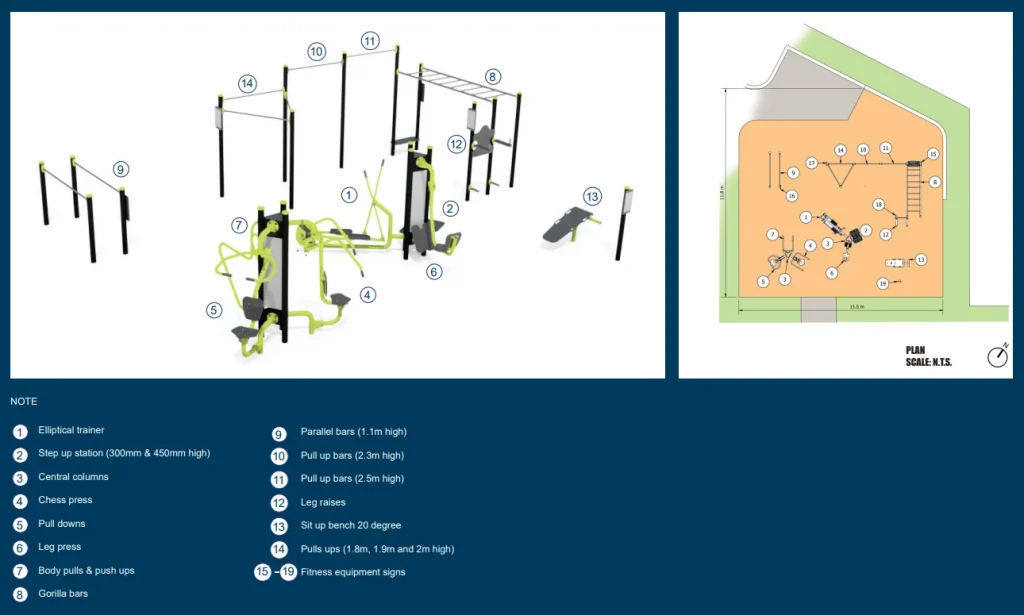
Work began in early October 2025, with the gym scheduled to open in mid-November. The new facility will sit beside the Maroubra Skate Park at the south end of the beach.
It will replace the existing gym near the Surf Life Saving Club, which is being removed to make way for improvements to the playground area. The project by Randwick City Council aims to upgrade community recreation facilities and promote healthy living for residents.
Features of the New Facility
The new gym will feature a wide range of strength and cardio equipment, including an elliptical trainer, step-up station, chest press, pull-downs, leg press, parallel bars, monkey bars, pull-up bars, and sit-up benches.
This marks a significant upgrade from the 2013 gym, which focused on low-impact exercise for older residents. The equipment will cater to a wider age group, encouraging both casual and fitness-focused users to work out outdoors.
Community Consultation and Feedback
Council consulted the community in February and March 2025, receiving 170 responses on equipment preferences and surface design.
Residents supported relocating the gym to a more open and accessible area near the skate park. The consultation reflected local interest in inclusive recreation spaces and durable fitness infrastructure.
Council’s Broader Health Focus
Deputy Mayor Clare Willington said the project reflects the council’s ongoing investment in public health and social connection.
The Maroubra upgrade follows the opening of Little Bay’s first outdoor gym in August 2025, with another planned at Coral Sea Park in the coming year. Together, these projects support the council’s goal of improving public open spaces and encouraging active lifestyles.
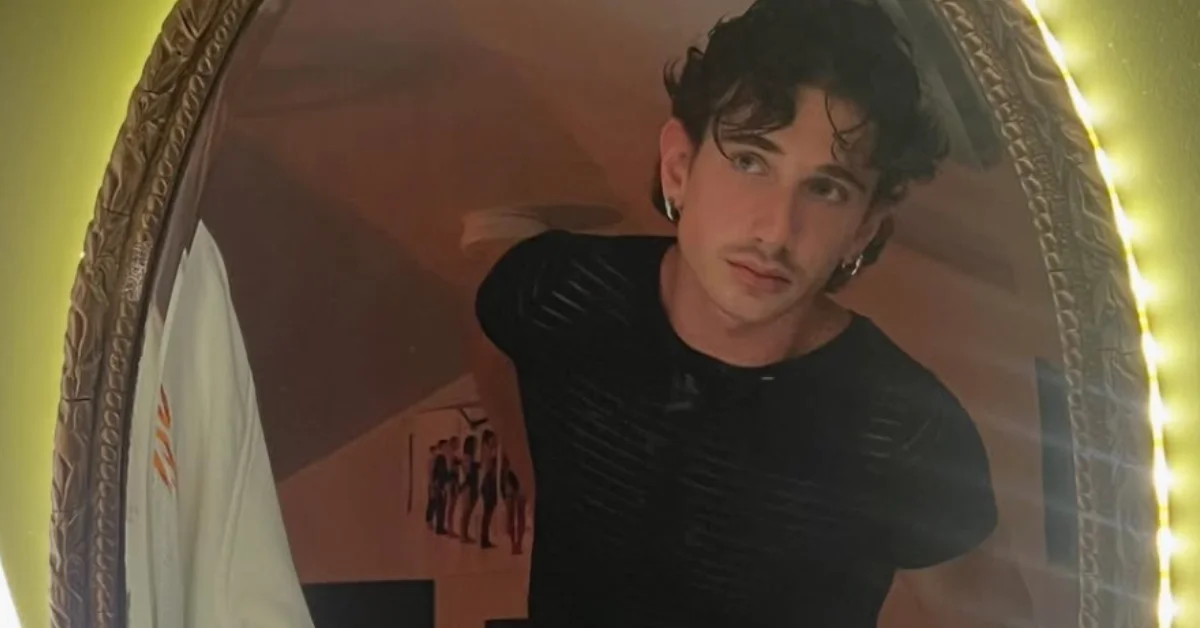
Growing up in the beachside stretch between South Coogee and Maroubra, Max Simmons’ world was filled with rhythm long before he ever set foot on a professional stage. His earliest memories are of his mum dancing around the house with music playing on the TV.
“I swear I’ve been dancing since I was born,” he laughs. “It was a way for me to express myself without saying anything.”
That instinctive love for movement soon found direction when his parents enrolled him in a small Randwick studio, before he moved on to Brent Street Studios in Moore Park — a leading performing arts school. From the age of eight to nineteen, Brent Street became his second home.
“I never really connected with school,” Max admits, “but I always felt at home when dancing.”
By Year 10, he was so certain of his calling that he left traditional schooling to join Brent Street Academy, a full-time dance and academic program designed for serious performers. It was there that he met mentors who would shape his career. Lucas Newland, Brent Street’s owner, instilled in him a fierce work ethic, while lead teacher — and fellow Maroubra local — Cassie Bartho taught him a lesson that stuck: “Sometimes good enough is just not enough.”
Today, Max assists Bartho in class, returning to the same rooms where he once trained, now as a teacher guiding the next generation.
For all his success as a dancer, Max’s journey hasn’t been without challenges. Rejection, he says, is part of the job.
“A lot of my close friends started booking jobs straight away, and I didn’t,” he recalls. “It’s tough when the people closest to you are living the dream you’re working so hard for. You start to question yourself and pick yourself apart. But I learned that rejection only means something else is waiting for you. Everything happens in its own time — you just have to be patient and stay focused.”
His persistence paid off in spectacular fashion when he was handpicked by Katy Perry’s personal choreographer to perform at the AFL Grand Final — in front of 100,000 people.
“Performing next to an icon whose music shaped my childhood was surreal,” he says. “That performance made it clear: I want to dance on the world’s biggest stages.”
He also starred in Prime Video’s Dancelife, which he says became a huge success and gave him a chance to share his story and love for dance on a global platform.
“Getting messages and love from around the world really made me realise: I want to keep doing this. I want to share myself and my artistry with as many people as I can,” he says. That momentum carried through to Netflix’s Wednesday premiere, where he performed alongside Jenna Ortega, and other international gigs that put him in the orbit of world-renowned choreographers.
Now, with representation from a leading LA dance agency, Max is preparing to take the next leap.
“Getting offered representation by a leading LA agency was a massive goal ticked off,” he says. “It opens so many doors — from connecting with top choreographers to being submitted for major auditions that I wouldn’t have access to otherwise. The visa process takes time, money, and a lot of preparation. And while the thought of leaving behind the comfort of home is scary, I’m ready to take that leap. I truly believe that the bigger the risks you take, the greater the reward.”
Despite his sights set firmly on Los Angeles, Max hasn’t forgotten his roots. He still teaches in Sydney — from Randwick to Moore Park and Botany — helping young dancers understand that work ethic and attitude matter just as much as talent.
“I’d rather hire someone who shows up on time, listens, and works hard than someone who’s just naturally talented,” he says.
As for what’s next, his dream is simple but ambitious: to move overseas, go on a world tour with artists like Troye Sivan, Ariana Grande, or Lady Gaga, and keep creating — whether on stage, in music videos, or behind the camera as a choreographer and director.
When asked what keeps him grounded, Max doesn’t hesitate. His pre-show mantra says it all: “Do it for yourself. If I’m not enjoying it, the audience won’t either.”
And if he could choose a Maroubra spot for a photo shoot? “Definitely Mahon Pools,” he smiles. “I love swimming and soaking up the sun there — the water is stunning. I can totally picture a shoot by the rocks at sunset, with the ocean in the background. It captures that raw, natural beauty of Sydney’s coastline.”
For a boy who once practised Blame It on the Boogie in his living room, Max Simmons’ rhythm has carried him far — and it’s clear this Maroubra kid is only just getting started.
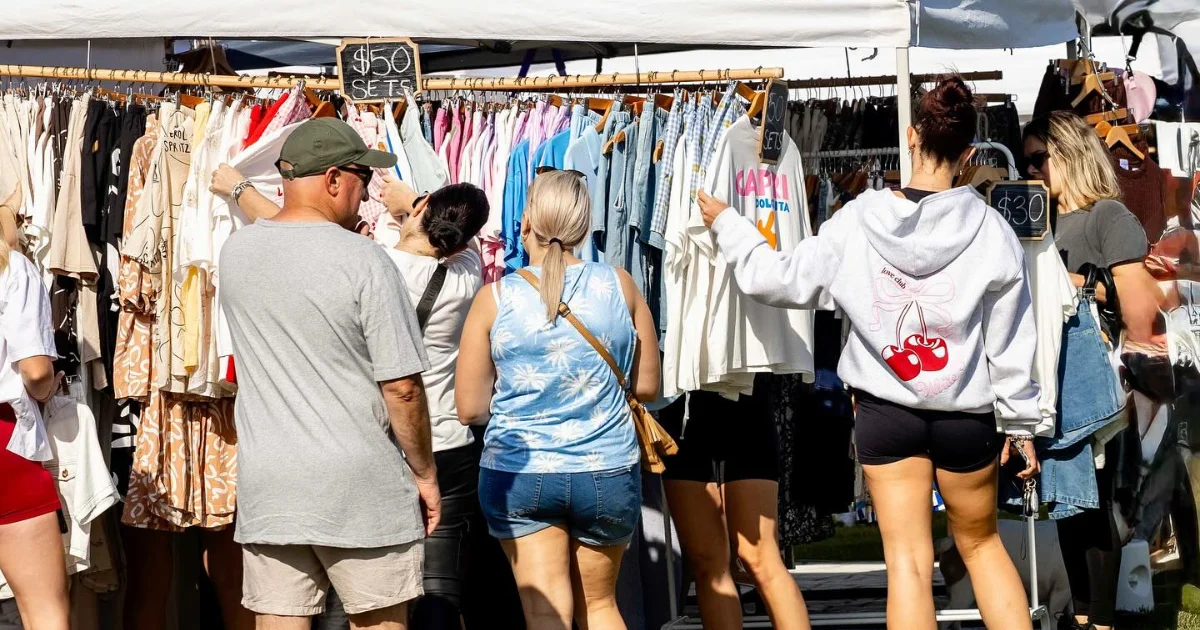
Maroubra is set to welcome a brand-new shopping and community experience this October, with the launch of the Heffron Park Markets. The event will make its debut on Sunday, 19 October, offering an undercover market that promises a wide mix of stalls, food vendors, and entertainment.
The markets will be held at Heffron Park’s netball stadium on the third Sunday of every month, creating a regular fixture for locals and visitors alike.
Photo credit: Cambridge Markets/Facebook
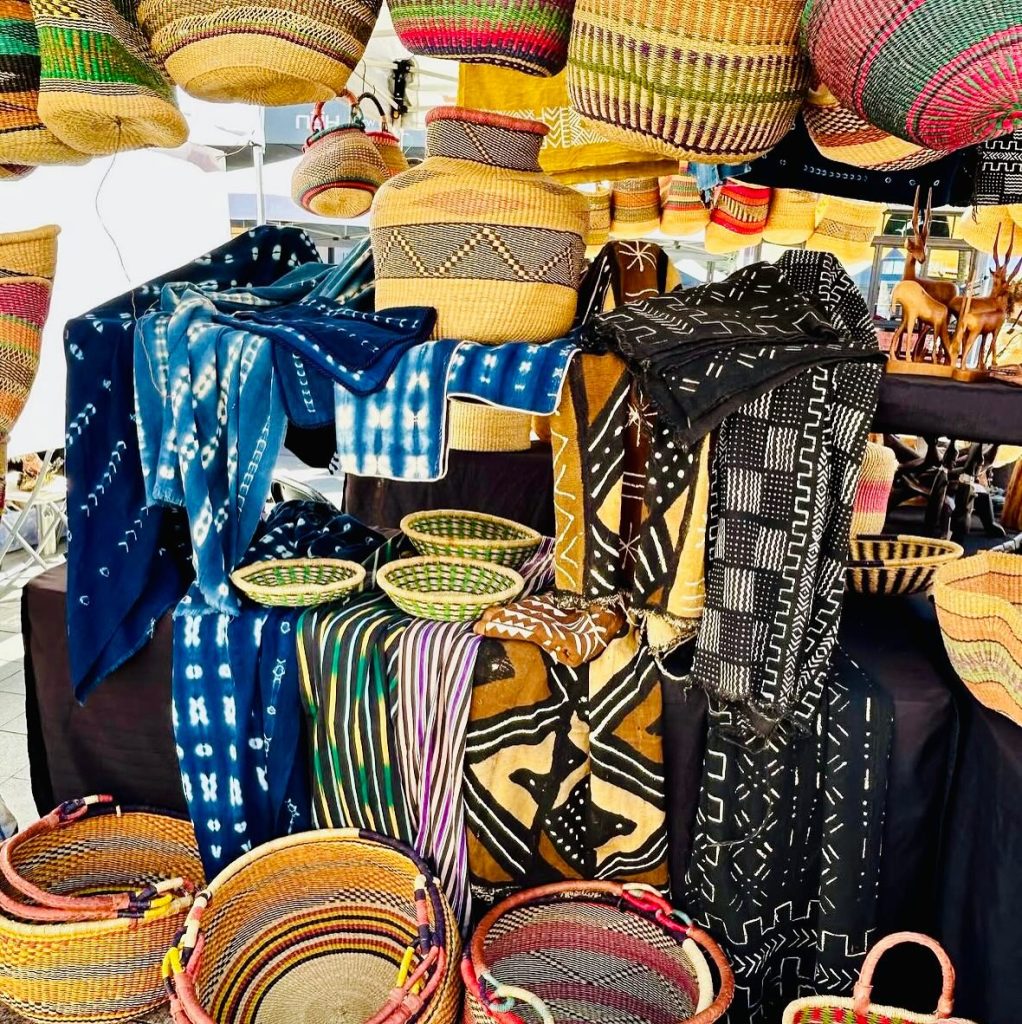
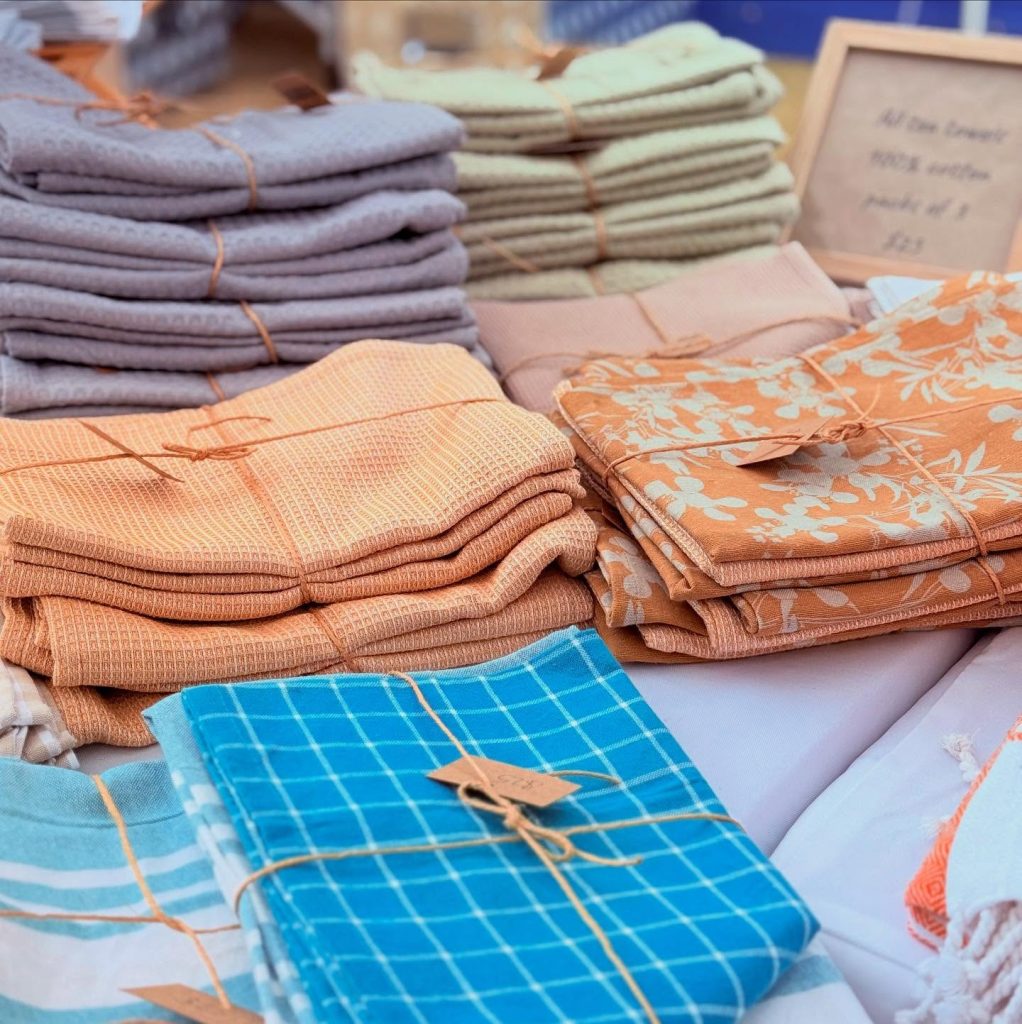
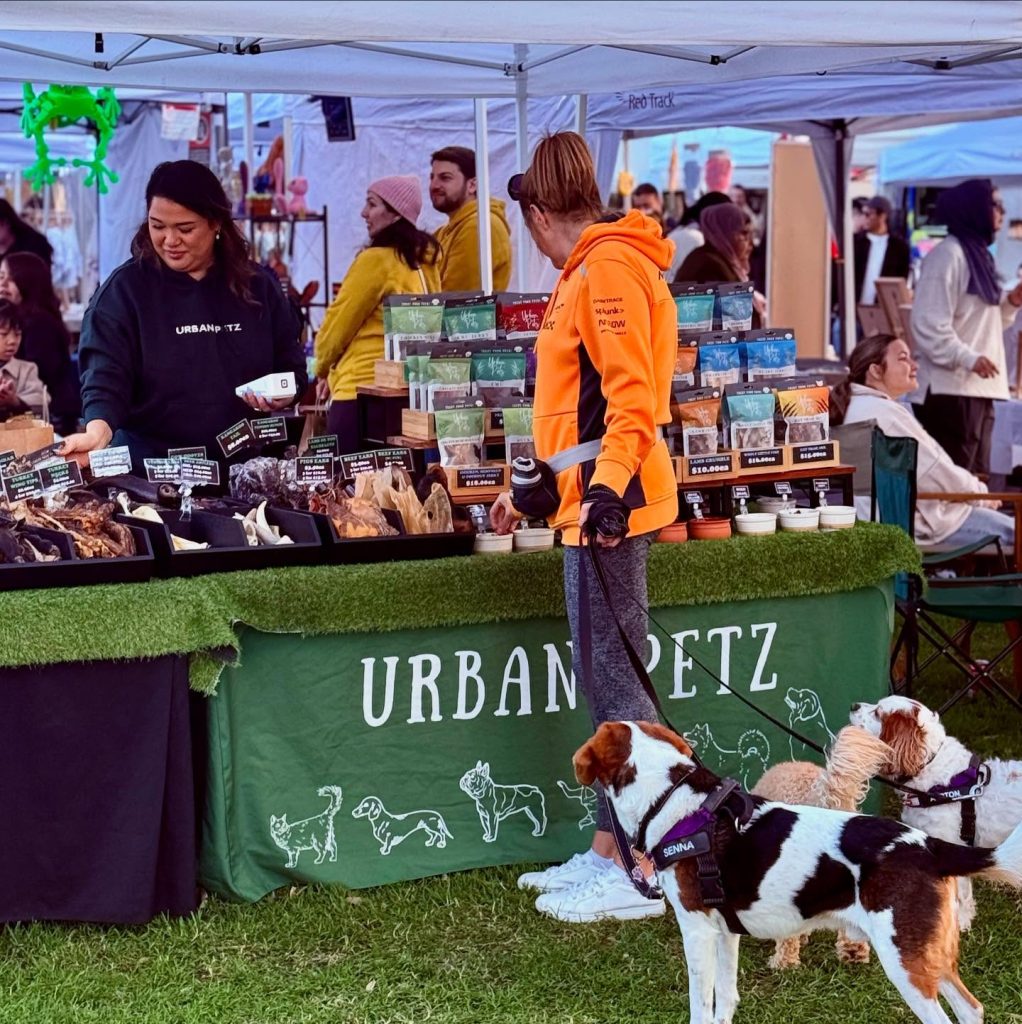
More than 100 stalls are expected to take part, featuring everything from fresh produce and fashion to artisan goods, vintage finds, homewares, and art. Shoppers can also look forward to live music and free entertainment, giving the markets a festive and family-friendly atmosphere.
Photo credit: Cambridge Markets/Facebook
The new offering builds on the success of the Maroubra Beach Markets, which launched last year and quickly became a much-loved community event. Held on the first Saturday of every month, the the Maroubra Beach Markets have drawn crowds eager to browse local products while enjoying the coastal setting. With the addition of the Heffron Park Markets, residents now have two monthly opportunities to shop, dine, and connect with small businesses.
One of the main appeals of the Heffron Park Markets is its all-weather location. By being hosted inside the netball stadium, visitors will enjoy the comfort of shade and shelter, ensuring a vibrant experience whether rain or shine. The venue’s central location within Maroubra also makes it accessible for families, community groups, and visitors from across the eastern suburbs.
Cambridge Markets, which was engaged by Randwick to curate and produce the monthly markets, have highlighted that the markets are designed to celebrate small businesses and showcase the creativity of stallholders. Whether it’s browsing through hand-crafted jewellery, picking up farm-fresh produce, sampling gourmet food, or discovering unique homewares, the variety on offer aims to cater to a wide range of tastes.
Photo credit: Cambridge Markets/Facebook
The launch of the Heffron Park Markets signals the growing appetite for community events in Maroubra and surrounding areas. With the Maroubra Beach Markets already drawing strong monthly crowds, the new addition is expected to further strengthen the local economy while giving people more chances to gather and enjoy a lively, festive atmosphere.
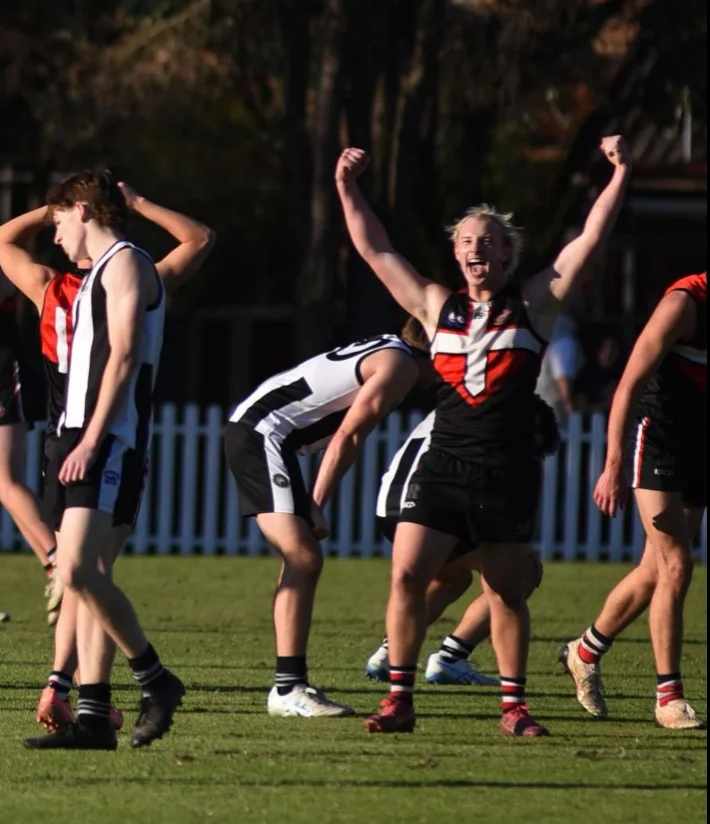
The Maroubra Saints have capped off a landmark season, securing four premierships across the Sydney AFL junior competition and making history as the first stand-alone club to claim both the boys’ and girls’ top-age Division 1 titles.
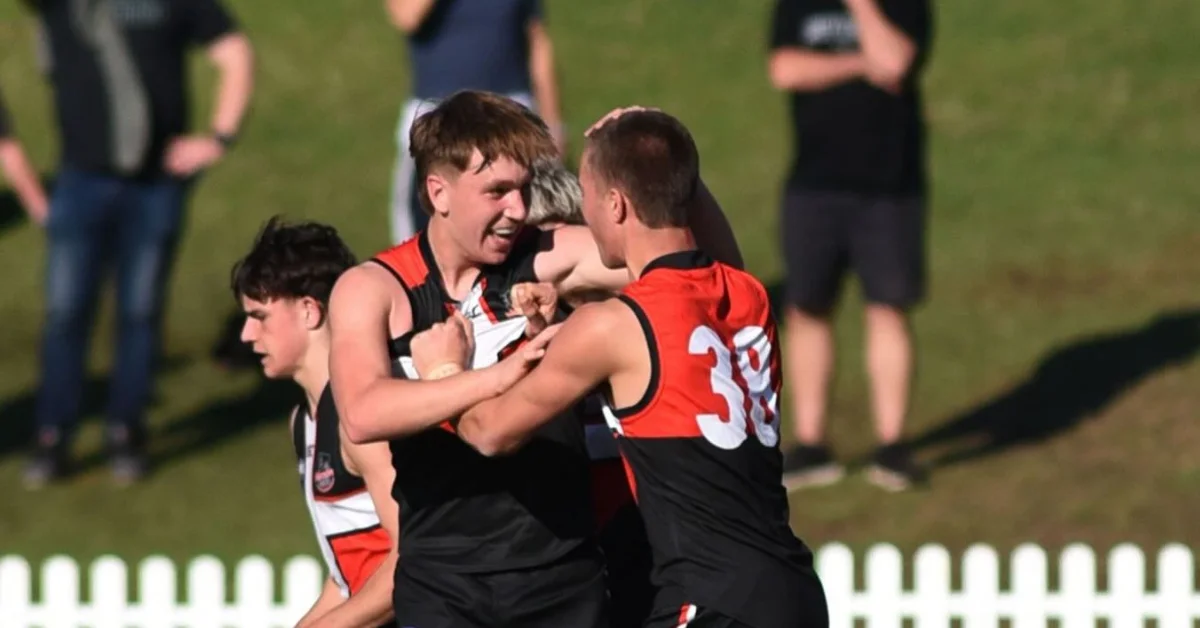
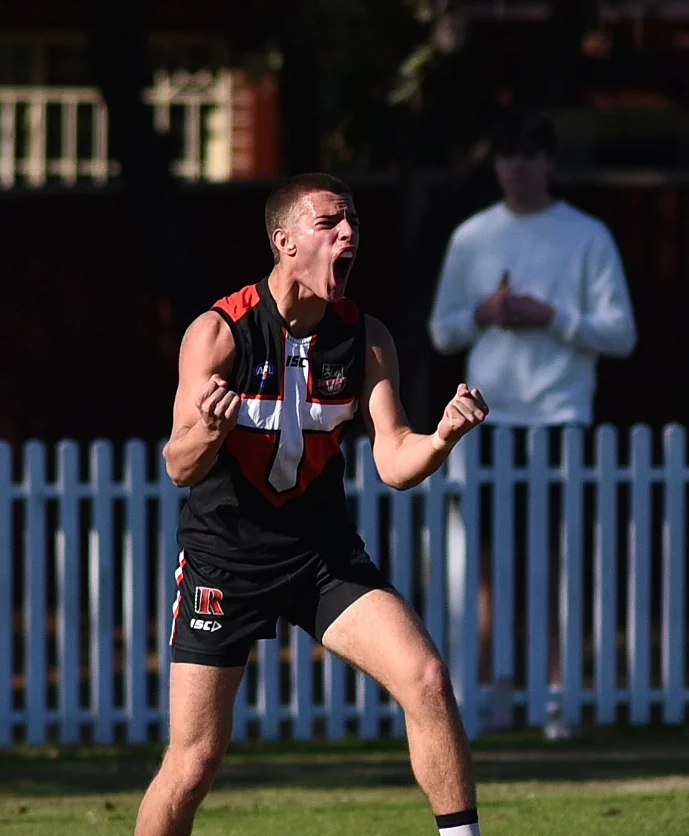
The Saints celebrated premiership victories in the U17 Division 1 boys, U17 Youth Girls 1, U13 Division 1 boys, and U17 Division 3 Youth Girls. Their U13 Youth Girls 1 side also reached the grand final, finishing runners-up. In total, five Saints teams played on grand final day.
The U17 Division 1 boys produced a standout campaign. After finishing as minor premiers, they were beaten by Glebe in the qualifying final before responding strongly in the preliminary final with a 63-point win over South West Sydney. In the decider, they avenged their earlier loss to Glebe, securing the premiership by 23 points. Head coach Gerard Pignatelli, who guided the side, said the team’s determination and resilience defined their season. His son, Ben Pignatelli, was among the players who shone on grand final day.
The U17 Youth Girls 1 also finished the year on top, adding to the club’s historic double in the top-age divisions. Wins from the U13 Division 1 boys and the U17 Division 3 Youth Girls further underlined the Saints’ strength across multiple age groups.
The success comes as the club continues to expand, now recognised as one of the largest junior AFL clubs in New South Wales. The Saints emphasise inclusivity and community spirit, values that have contributed to a steady rise in participation over the past five years.
The club has also built a strong reputation for player development. Current and former AFL players with Maroubra ties include Errol Gulden, Jordan Foote, Abe Davis, Indhi Kirk, Jack Buckley, and Ben Davis.
This season also marked milestones for club stalwarts. Coach Pep closed out 16 years of service, while manager Imby was recognised for a decade of contribution.
For many of the U17 boys and girls, the premierships doubled as a farewell to junior football, marking a memorable conclusion to their time with the Saints.
The club described the season as “an unforgettable finish for a very special team,” with four premierships ensuring 2025 will go down as the most successful year in the Maroubra Saints’ history.