


Free Life Jackets Introduced in Maroubra After Decades of Rock Fishing Deaths

A free Life Jacket Library to help prevent more drownings along Sydney’s dangerous coastline has been launched in Maroubra, after 24 rock fishing deaths in over 25 years.


The new Life Jacket Library began operating in May through a partnership between Surf Life Saving NSW, Randwick City Council and the NSW Department of Primary Industries and Regional Development. 

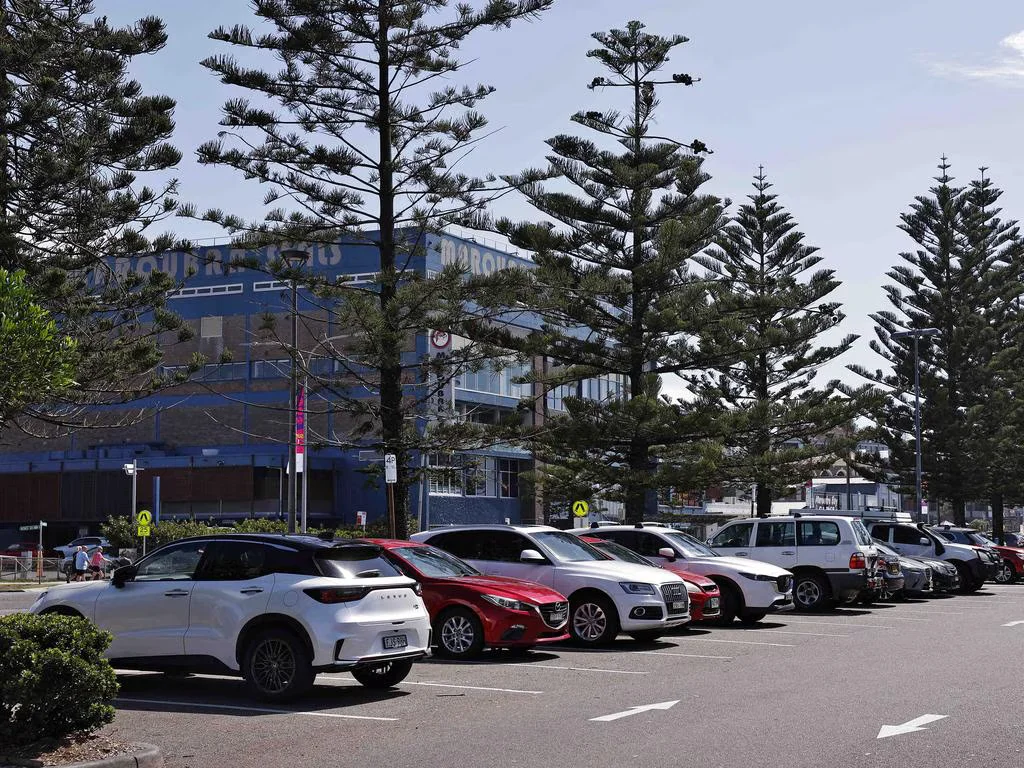
The program allows fishers to borrow life jackets for free from the Des Renford Leisure Centre in Maroubra before heading to nearby rock platforms at Little Bay, Malabar and La Perouse. Staff members at the Des Renford Leisure Centre also help visitors fit life jackets correctly before they head to nearby fishing areas.

Free Borrow-and-Return System Set Up Near Fishing Hotspots

The Life Jacket Library operates through a simple check-in and return process during leisure centre opening hours. Visitors scan a QR code before borrowing a jacket, with the system also providing safety advice about fitting life jackets correctly, reading swell conditions and preparing for emergencies.

The initiative was funded through the NSW Department of Primary Industries and Regional Development’s rock fishing safety program, which supports community projects aimed at reducing preventable drownings.

Surf Life Saving NSW chief executive Steve Pearce said the program was designed to remove barriers that stop people from using basic safety equipment. He noted that many fishers, including visitors and newcomers, either do not own life jackets or underestimate the risks involved along the coastline.

Under NSW rock fishing laws, people fishing from declared rock platforms are legally required to wear life jackets. Fines can apply to those who fail to comply.

Deadly Swells Continue to Claim Lives Along Sydney’s Coast

Rock fishing remains one of the most dangerous recreational activities in Australia, especially along the NSW coastline, where unpredictable waves, slippery rock shelves and sudden changes in swell conditions have contributed to repeated drownings.

Data from Surf Life Saving Australia and the Royal Life Saving National Drowning Report shows coastal drownings linked to rock platforms continue to affect communities across the state each year. Surf Life Saving NSW reported 10 rock fishing and rock platform-related drownings between July 2024 and June 2025. Another 10 deaths had already been recorded during the current 2025-26 season.

The Randwick local government area has remained one of the country’s highest-risk regions for rock fishing deaths because of its exposed coastline and heavily used fishing spots.

Little Bay AI Cameras Added to Broader Safety Push

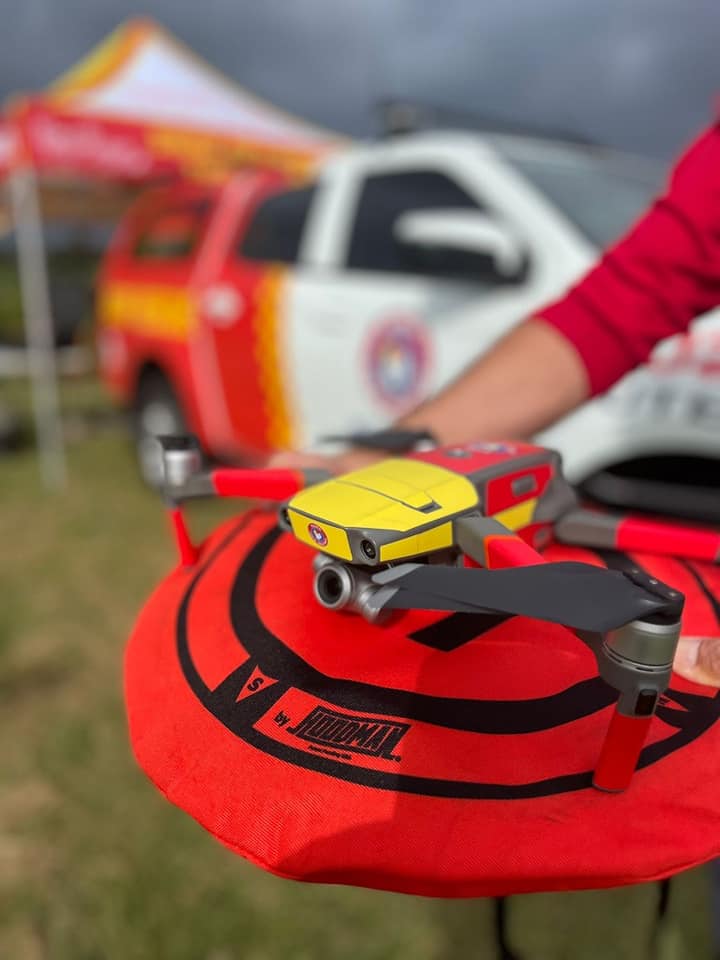
Less than 10 minutes from Maroubra, another coastal safety project is already being tested at Little Bay, where Surf Life Saving NSW has introduced AI-assisted cameras near a dangerous rock platform.

The technology is being used to improve emergency response times and monitor activity in areas known for rough surf and sudden wave surges. The trial forms part of a wider safety campaign that includes community education sessions, multilingual outreach programs and partnerships with local councils.

Research from Beach Safety Hub and Royal Life Saving Australia has repeatedly shown that wearing a life jacket can significantly improve survival chances during rock fishing accidents, especially when people are swept into open water.

Safety Efforts Aim to Prevent More Coastal Tragedies

Authorities hope easier access to safety gear will encourage more people to wear life jackets before entering dangerous rock platforms around Maroubra and surrounding beaches.

Community groups involved in the project say the goal is simple: helping more fishers return home safely after a day by the water.


Published 25-May-2026
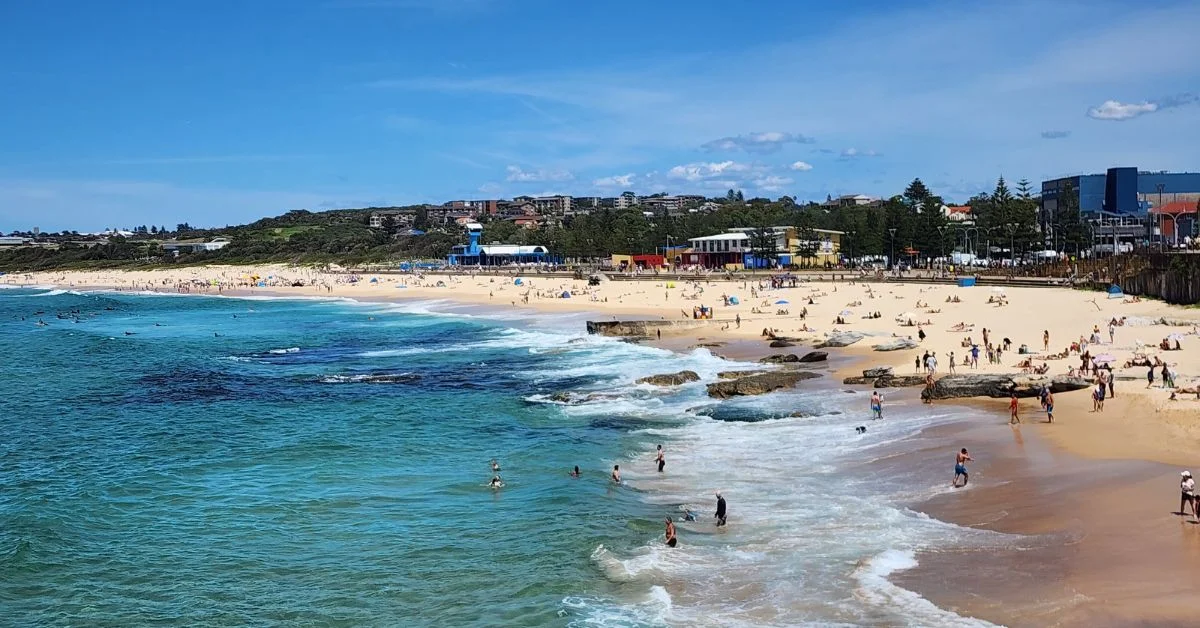
Free Parking at Maroubra Beach Could End as Paid Parking Proposal Emerges

Free car parking at Maroubra and other eastern beaches is under threat following a proposal to introduce paid visitor parking across seven of Sydney’s most popular eastern beaches, with community feedback open until 5pm on 15 April 2026.


While Maroubra currently stands as Sydney’s best-value beach destination, offering three free car parks including one at Mahon Pool, that advantage may not last. A formal proposal to charge visitors for beach parking across the Randwick area has sparked a public debate about who should fund the $23.5 million annual cost of maintaining the beaches that millions of Sydneysiders enjoy each summer.

Maroubra: Sydney’s Free Parking Champion

Maroubra currently offers the best beach parking deal in Sydney’s eastern suburbs by a wide margin. Three free car parks serve the beach and its surrounds. These sit adjacent to the main beach at Jack Vanny Reserve on the northern headland near Mahon Pool and at South Maroubra Beach. Free street parking also remains available along Maroubra Parade with a four hour limit while surrounding side streets carry no time restrictions.

Maroubra Parade offers free parking with a four-hour limit, side streets are free with no time limit, and free public car parks sit next to the main beach, at Jack Vanny Reserve slightly further north, and at South Maroubra Beach. That combination makes Maroubra the easiest beach in the eastern suburbs to visit by car without opening a wallet.

The beach itself adds to the value. Maroubra is an official National Surfing Reserve with a spectacular one-kilometre stretch of sand wrapped by rocky headland, natural bushland and expansive green parks with barbecue facilities, a shaded kids’ playground, a skate park and a free outdoor gym. At the southern end, the Eastern Beaches Coastal Walkway connects through Malabar Headland National Park to Malabar Beach.

Other Free Options in the Randwick Area

Maroubra is not the only free option for eastern suburbs beachgoers. Clovelly Beach has one free car park that also services Gordon’s Bay, though it fills quickly on warm days. Malabar, Little Bay and La Perouse all currently offer free parking. Meanwhile, Coogee Beach Parking and Coogee Parking Oval charge $5.50 per hour, though free parking is available along Arden Street and surrounding streets.

Clovelly Beach currently offers free parking as well.
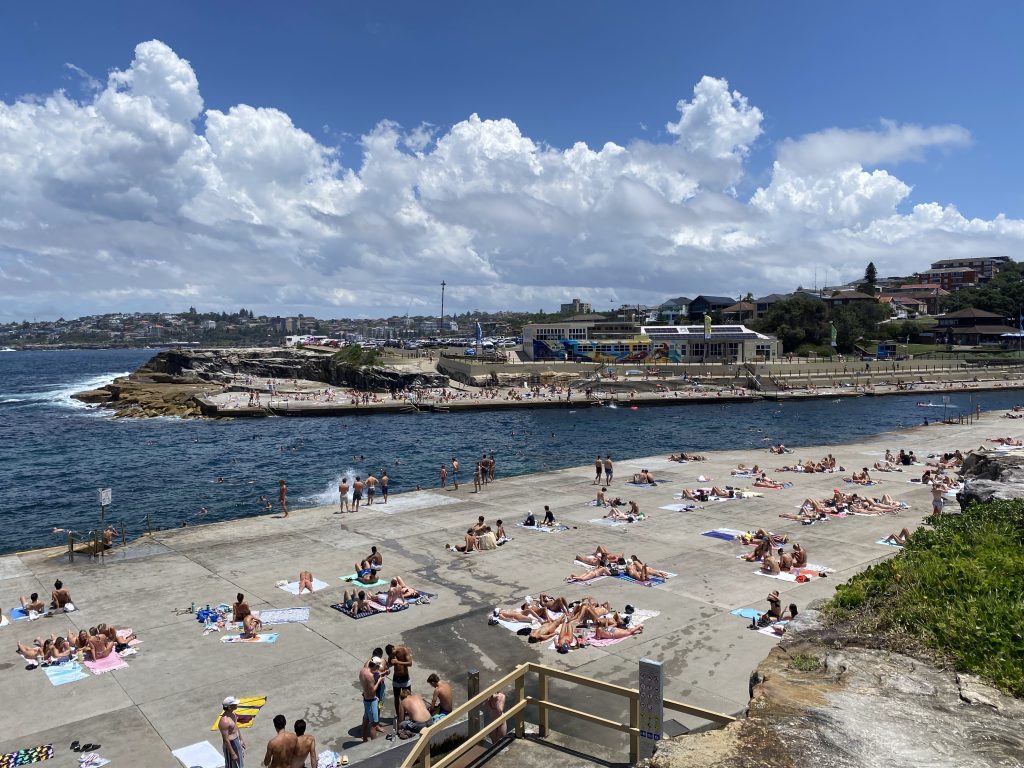
Clovelly Beach. Photo Credit: Google Maps

Further afield, Tamarama, Brighton-Le-Sands, Ramsgate, Kurnell and North Cronulla Beach all offer free parking, as does the area surrounding Cronulla more broadly.

The Northern Beaches Premium

The second most expensive beach parking in Sydney sits across the Northern Beaches, where $10 per hour applies at Manly, Freshwater, Curl Curl, North Curl Curl, Dee Why, Collaroy, Narrabeen, Mona Vale, Newport, Avalon and Palm Beach. At Balmoral Beach in Mosman, the rate sits at $8 per hour along the foreshore.

The rationale across all paid parking zones is consistent: high visitor demand, limited spaces, and the cost of maintaining foreshore infrastructure. At Coogee, 1,781 parking spaces record an average 88 per cent occupancy on summer weekends, with approximately 4,700 vehicles per day staying for an average of 203 minutes each.

Why Maroubra’s Free Parking May Not Last

Randwick City’s free beach parking could soon be history at seven popular spots including Maroubra, Clovelly, Malabar, Little Bay, La Perouse and Yarra Bay, with a community consultation period running from 4 March 2026 as part of a proposal to introduce paid visitor parking. Under the proposal, local residents would be exempt through a free annual permit system, but visitors would pay. Rates have not yet been set, though comparable Sydney beaches currently charge between $7 and $11 per hour. If approved, paid parking could be introduced in late 2026 or into 2027.

Photo Credit: Sam Ruttyn

The rationale behind the proposal is financial. Maintaining Randwick’s beaches costs approximately $23.5 million per year, covering lifeguard services, beach cleaning, rubbish collection, coastal walkways, toilet facilities and surf club support. Up to 84 per cent of beach visitors in summer come from outside the Randwick area, yet local ratepayers currently fund the entire cost.

Why This Matters for Maroubra Residents

For Maroubra residents, free beach parking is both a practical daily convenience and a point of genuine local pride. The suburb’s parking advantage over neighbouring Coogee and Bondi attracts beachgoers from across the city, supporting local cafes, restaurants and businesses along Marine Parade and McKeon Street. If paid parking is introduced following the consultation, the resident permit exemption means locals would retain free access — but the broader accessibility that has made Maroubra a popular destination for Sydney families on a budget would change.

The community consultation on the paid parking proposal closes at 5pm on 15 April 2026. Residents can complete the survey online or return the paper survey mailed to every household. Drop-in sessions for questions are available at Coogee Beach Promenade on Saturday 21 March and McKeon Street Plaza, Maroubra Beach on Saturday 28 March, both from 10am to 12pm. Enquiries can be directed to 1300 722 542.


Published 9-March-2026.

Beyond Profit: The Philanthropic Mission of Site Pizza Bar’s Owner

Despite his own hardships, Glen Mezei, the owner of Little Bay’s Site Pizza Bar sets an exemplary example of businesspeople driven by a stronger sense of empathy for the community in an era where financial margins frequently dictate business decisions.


Site Pizza Bar, which is right in the middle of Little Bay, is more than just a restaurant; it’s a place where people meet and help each other. Giving away free food isn’t just a kind thing for Mezei to do; it’s a reflection of his values and a promise to help those around him.

At first glance, this kind of behaviour might make you wonder if it can last. But for Mezei, it’s not about making money; it’s about making a difference. “I believe that, as a business owner, I have a responsibility to give back to the community that supports us,” Mezei says. “It’s not just about selling pizzas; it’s about contributing positively to the lives of others.”

Photo Credit: Facebook/Site Pizza Bar

Mezei’s path to giving back to the community isn’t easy. Just like many other businesses, he also had to deal with uncertainty. However, Mezei didn’t run away and he saw a chance to step up and help where it was most needed. “The outbreak showed how important it is for people to help each other. People were having a hard time, and I felt like I had to do everything I could to help,” Mezei says.

He feeds field workers and gives free pizzas to families who are having a hard time with money. He also helps people feel like they belong and are part of the community.

Photo Credit: Facebook/Site Pizza Bar

But Mezei’s generosity and kindness extend beyond his business dealings. To increase his influence, he collaborates with local organisations. By collaborating with food banks and shelters, he ensures that his assistance reaches those who need it most. “When we collaborate, we can do much more. In order to truly impact people’s lives, Mezei asserts that “collaboration is the key.”

Photo Credit: Facebook/Site Pizza Bar

Positive comments about it have come from several neighbours. Many clients applaud Mezei for his selflessness and are inspired to follow in his footsteps. Glen’s goodwill is contagious. “It motivates us all to improve and support one another more,” a regular customer comments.

His story shows how love and charity can change things. His actions give us hope in a divided world. They demonstrate that cooperation for the greater good can provide benefits.


Mezei is still on a mission to feed both the body and the soul, and he wants other people to help him make society more caring and welcoming. “Your acts, no matter how small they may seem, can make a difference. “Together, we can make the future better for everyone,” Mezei says, ending with a smile that shows how generous he is.

Published Date 28-March-2024

Jennifer St High-Rise Development in Little Bay to Proceed Following Appeal Approval

A high-rise development on Jennifer St in Little Bay will proceed, following the approval of amended plans and a successful appeal, after a previous dismissal of the development application to protect the flora and fauna at the site.


The residential project, which will deliver apartments and townhouses near the Eastern Suburbs Banksia Scrub, has already been advertised after the developer won its appeal with the Land and Environment Court (LEC). 

Though the project has been seen as a likely threat to local wildlife such as the Maroubra Woodland Snail, Randwick City Council said that it will respect the decision of the LEC. 

In 2021, Council disapproved the Jennifer St development application to protect the flora and fauna on the site. Community groups also rallied against the proposal because of fears of the destruction of banksia scrub. 

However, the developers amended and then escalated their plans with the LEC, which decided to approve the application in October 2022. The new plans now comprise 83 apartments, down from 95, as well as “tree removal, native vegetation maintenance, species relocation, landscaping and associated works through bushland management practice.” 

Little Bay Jennifer St
Photo Credit: DA/698/2020

Based on the amended plans, Council stated that the development “does not cause adverse serious and irreversible impact to biodiversity values or likely to affect threatened species.” 


A spokesperson for the Council also said that they will see to it that the developer will implement all agreed conditions in the appeal. 

Published 1 February 2023

Marine Expert Explains Increased Shark Activity in Little Bay After First Fatal Attack in 60 Years

A marine expert from the University of New South Wales (UNSW) is shedding light on what may have triggered the deadly shark activity in Little Bay which took the life of British diving instructor and Royal Air Force veteran Simon Nellist. 


Iain Suthers, a professor at UNSW, said that sharks should be swimming towards the cooler sections of the Tasman Sea during this season, where planktons are abundantly attracted to small fish.

It’s the small fish that bigger fish like sharks feed on but the shark that attacked Mr Nellist might have not been able to swim towards the colder water as the East Australian Current has brought uncharacteristically warmer waters this year. 

Sometimes, sharks could just bump into humans as they swim towards the Tasman sea. This time, however, the hungry shark preyed on the man.

The professor believes the animal might have been a great white, which has a propensity for hunting warm-blooded animals, based on the victim’s injuries. 

Prof Suthers, however, emphasised that this shark attack is a rare occurrence. It has been nearly 60 years since the last fatal shark attack on Sydney’s beaches. 

The expert said that the public needs to understand the nature and movement of sharks, as well as the conditions in the water, to come up with better measures to prevent another injury or death. It would also be impossible to forecast a looming shark attack since there is still no proven “scientific reason ” why sharks suddenly go after humans. 


Instead, he said that swimmers should avoid swimming in dangerous sections of the beach during dusk or dawn during the summer months, when sharks are actively moving towards the Tasman Sea’s colder areas. 

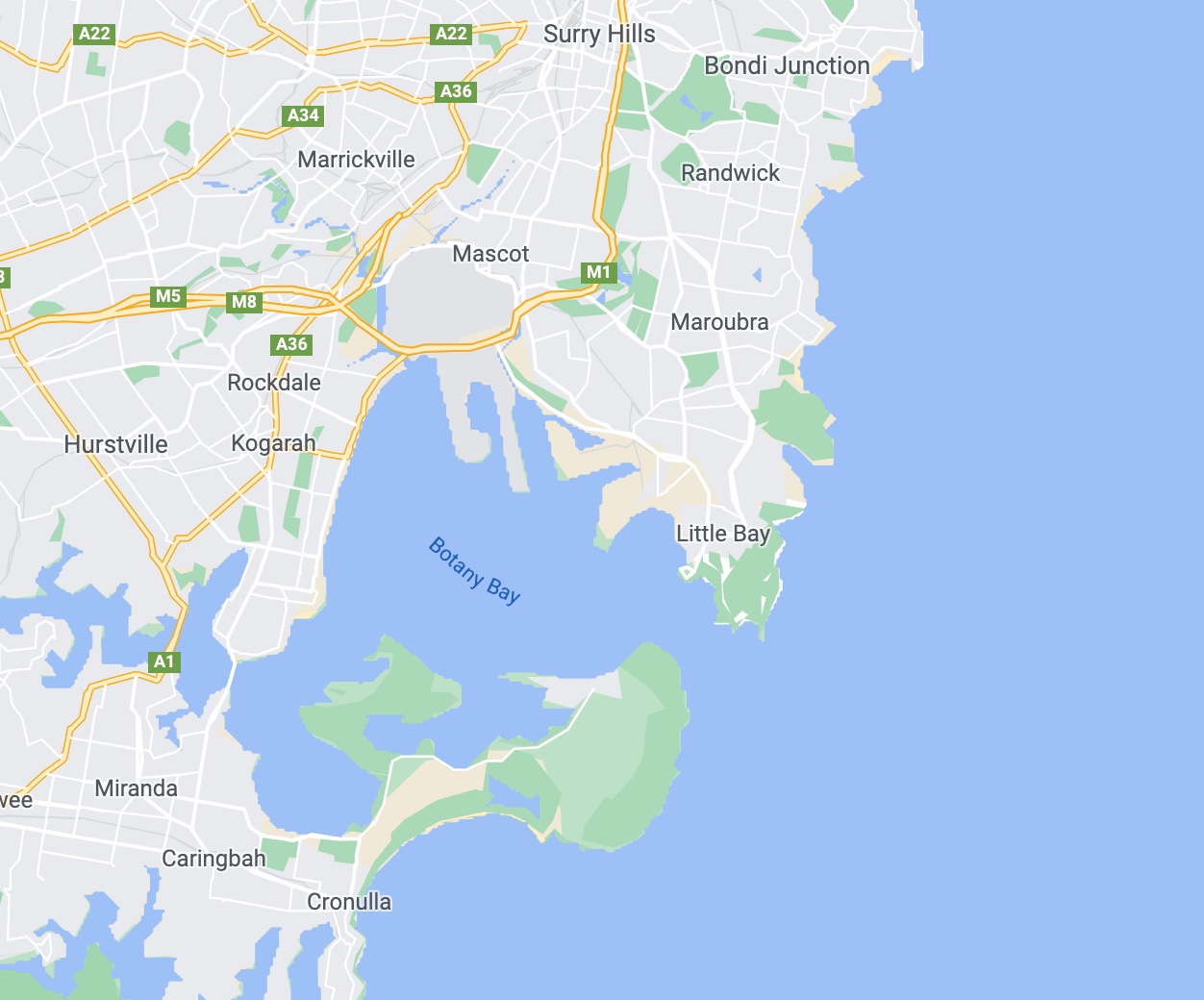
Meanwhile, the NSW Department of Primary Industries has deployed SMART shark drumlines in the beaches from Bondi to Cronulla for the safety of beachgoers. At least six of these drumlines are now on the beaches between Little Bay and Malabar. 

Photo Credit: SurfLifeSavingNSW/Facebook
Photo Credit: Google Maps

Family and friends of Mr Nellist said he has been advocating for this improved technology for years and an aunt said that he likely would not want his attacker to be killed as he is a nature lover who has swum with sharks before.  

Drowning in Little Bay Prompts Call to Observe Increased Rock Fishing Safety Measures

Surf Life Saving Australia is calling on the public to observe increased safety measures for rock fishing following the tragic drowning of a father and his son in Little Bay near Maroubra.


Shane Daw, the general manager for coastal safety of Surf Life Australia has been advocating for those engaging in rock fishing to wear lifejackets and he believes that this should be mandated nationwide. The safety expert also wants more education on the importance of a lifejacket, including in areas where it has become compulsory.

A 40-year-old father and his nine-year-old son were believed to have been swept by the tide as they were rock fishing in Little Bay on Monday, 31 Jan. The pair were not wearing lifejackets when paramedics took them out of the water. According to reports, the dad and son were in critical condition and could not be saved. 

According to Mr Daw, every council in Australia should have laws about mandatory lifejackets, as well as continued enforcement and education about its use. He said that even in councils where it has been required, many fishers are still not aware of the law, especially among recreational fishers. He believes that this safety guideline should also be taught in schools and community groups as the death toll has been climbing.

Data from Surf Life Saving Australia showed that 80 per cent of all rock fishing fatalities were not wearing a lifejacket.

Little Bay, under Randwick City Council, is considered one of the most dangerous places for rock fishing. In 2018, the Council mandated lifejacket use for rock fishers. 

However, according to NSW Police, only two violations have been logged in Little Bay since its enforcement. The recent accident is the fourth rock fishing-related death in the area since 2017 and the 21st since 2001. 

A review of the lifejacket policies, education, and implementation will be conducted by Randwick Mayor Dylan Parker.  Meanwhile, the victims’ family and friends have launched a GoFundMe page for the mother, who painfully watched her husband and son drown in the water.