


139-Year-Old Bare Island Bridge Undergoes Year-Long Restoration

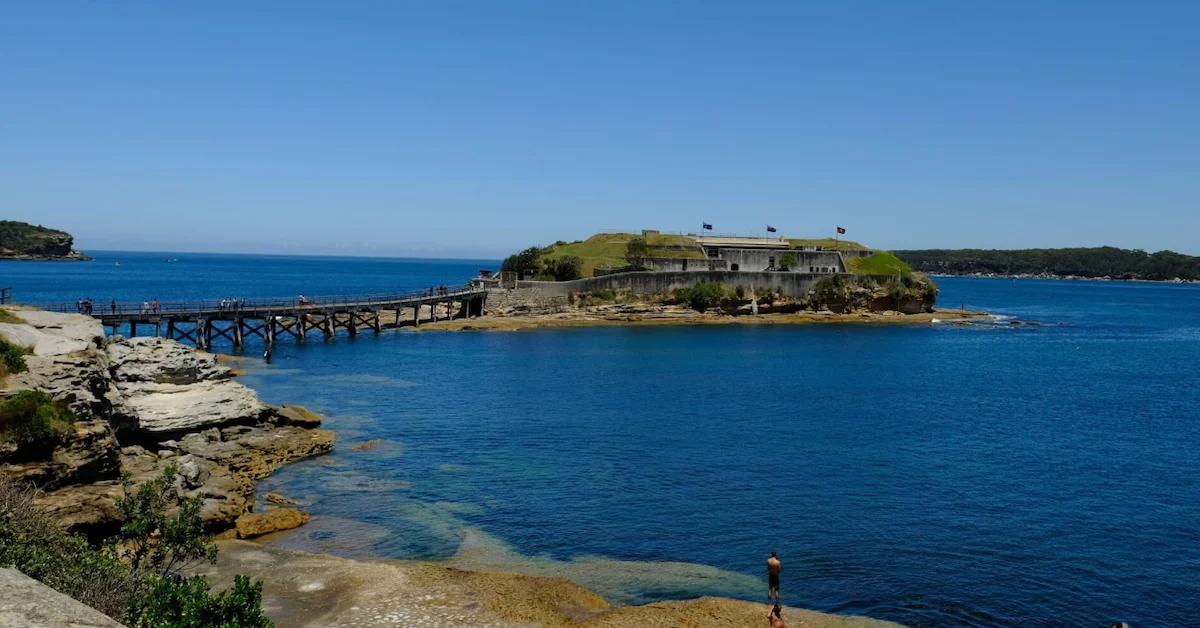
The historic Bare Island Bridge has closed to the public as a $4.3 million restoration begins on the 139-year-old timber crossing in Kamay Botany Bay National Park.


The bridge, which links the La Perouse headland with Bare Island, closed on 24 August. Bare Island, the fort, the surrounding rock shelf and the access road are expected to remain closed until approximately late 2027 while restoration work continues. 

Thousands of people use the bridge each year for tourism, recreation, education and community activities, according to the NSW Government. Guided tours of Bare Island Fort have also stopped and will resume only after the bridge reopens, while temporary restrictions may apply to water access beneath the crossing during construction.
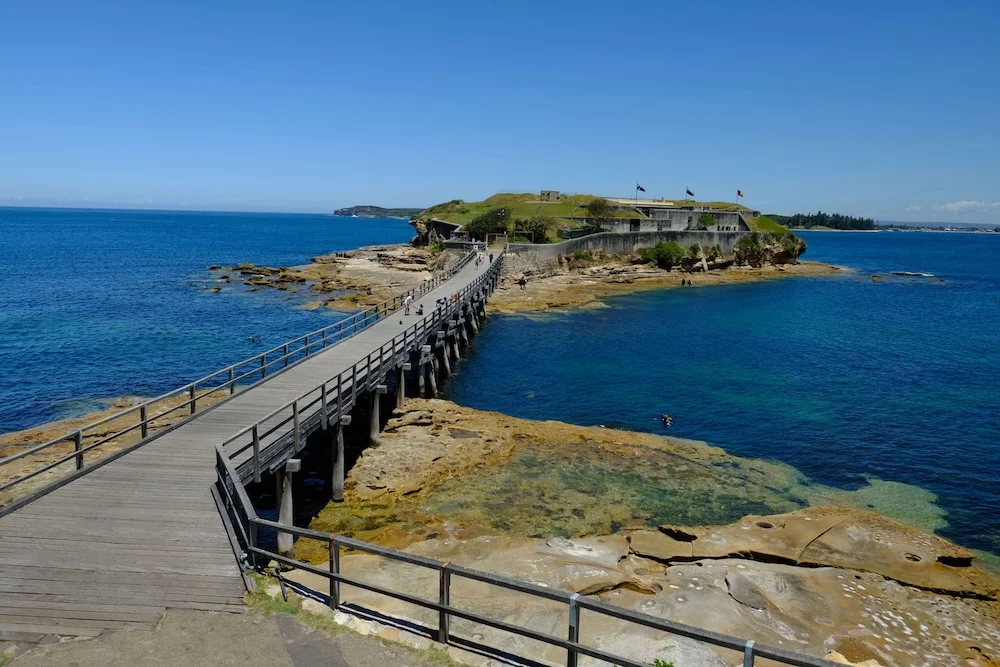
Photo Credit: NSW Environment and Heritage

Age and exposure take their toll

Built in 1887, the bridge is about 110 metres long and 4.5 metres wide and provides the only land connection between La Perouse and Bare Island. Its condition had deteriorated to the point where only limited pedestrian traffic could be supported before the current works began. 

Planning documents identify rot, splitting and termite damage in parts of the timber structure, with water runoff near the northern abutment also contributing to deterioration. The works include replacement of timber piles, substructure elements, worn decking, kerbs and handrails, along with a new balustrade and improvements to the walking surface. 

NSW says the coastal environment and the need to protect the bridge and the surrounding site add to the complexity of the project. The restoration is intended to preserve the bridge’s heritage significance while improving safety and future access for pedestrians and authorised vehicles. 

Before the bridge, access was by flying fox or barge

Bare Island’s military history predates the bridge. Fortification works began in the early 1880s as colonial authorities strengthened Sydney’s coastal defences, with Botany Bay regarded as a possible approach to the city. 
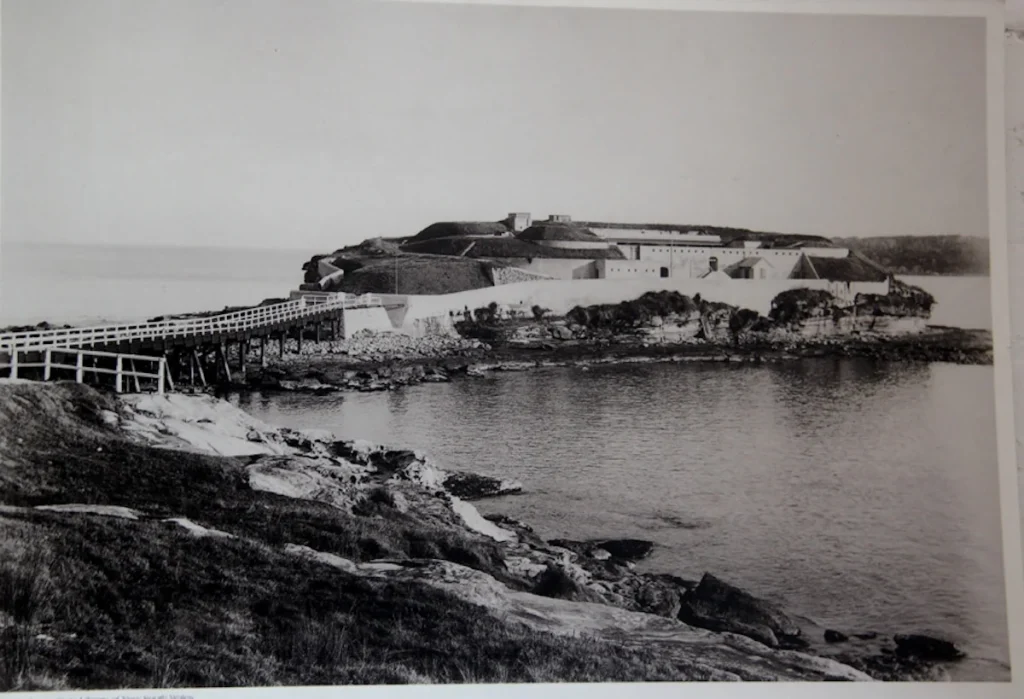
Before the bridge was added in 1887, access to the island relied on a flying fox or a barge. Five major guns were transported to Bare Island by barge, including a cannon weighing about 12 tonnes, while some heavy weapons later remained on the island because they were too heavy to take back across the bridge. 

Heritage records associate Sir Peter Scratchley, Sir William Jervois, Gustave Morell and Colonial Architect James Barnet with the design and development of the fortification complex. Heritage NSW also records that a Royal Commission found Barnet responsible for the mismanagement of the works, with the controversy followed by his resignation from public office in 1890.

From military fort to ‘Mission: Impossible 2’

Military use declined in the early 20th century, and Bare Island later became the site of Australia’s first war veterans’ home. The fort eventually passed into recreational and heritage use and is now part of Kamay Botany Bay National Park.


Bare Island later appeared in the 2000 action film Mission: Impossible 2, with the fort used as a location for action sequences. The surrounding waters are also promoted by NSW National Parks as a popular location for scuba diving and snorkelling.

Published 31-Aug-2026

Randwick Pays Tribute to La Perouse Shellwork Artist Aunty Marilyn Russell

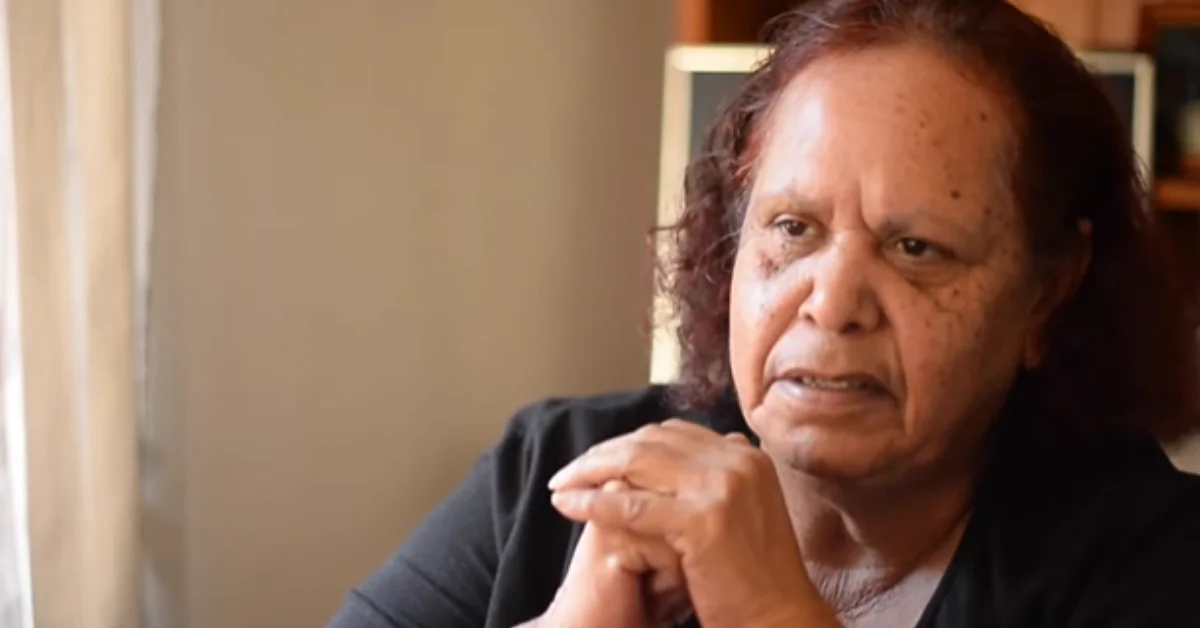
Randwick City has paid tribute to the life and legacy of Aunty Marilyn Russell, recognising her lasting contribution to Aboriginal culture, community and the continuation of the shellwork tradition in La Perouse.


Read: First Nations Cultural Precinct Planned for La Perouse


During its June 2026 meeting, local representatives acknowledged Aunty Marilyn’s role in strengthening understanding and respect for Aboriginal history in Randwick. A minute’s silence was observed in her honour, while flags were flown at half-mast to mark her funeral.

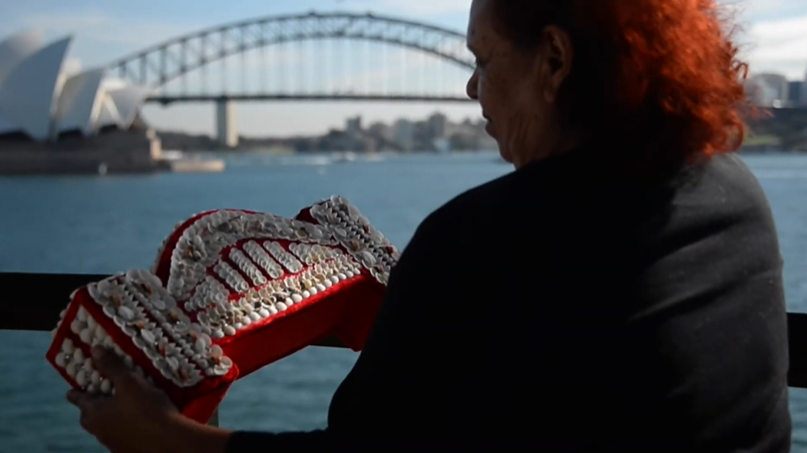
Aunty Marilyn Russell was a Bidjigal woman from the coastal community of La Perouse whose artistic practice continued a cultural tradition handed down through generations of Aboriginal women in her family. She learned the intricate art of shellwork as a child by watching and working alongside her mother, the late Aunty Esme Timbery, who had learned the practice from her own mother, Queen Emma Timbery, Aunty Marilyn’s great-great-grandmother.

Continuing a Family Tradition

For generations, Aboriginal shellwork has been an important cultural tradition within the La Perouse community. Aunty Marilyn’s shellworks expressed identity, family history and a deep connection to Country while continuing a practice that has been passed down through her family for generations.

She continued this family tradition throughout her artistic career while also sharing her knowledge with younger generations. Aunty Marilyn often created shellwork alongside her daughter and granddaughter, helping cultural knowledge continue to be passed from one generation to the next, just as it had been within her own family.

Her work expressed cultural continuity and resilience. Grounded in long-standing family traditions, her shellwork also reflected Aboriginal identity, history and belonging, highlighting the enduring connection between people, place and community.

A Legacy Beyond La Perouse

Photo credit: YouTube/Australian Museum

Aunty Marilyn’s work earned recognition well beyond La Perouse. Her shellworks are held in several of Australia’s leading public collections, including the Art Gallery of New South Wales, the National Gallery of Victoria and the Museum of Contemporary Art Australia.

She also participated in the Biennale of Sydney, where her work was recognised as continuing both a family legacy and the cultural traditions of the Bidjigal people.

Beyond her artistic achievements, Aunty Marilyn passed her shellwork knowledge to younger generations within her family, helping sustain an important cultural practice for the future.

The tribute from Randwick City recognised her contribution to fostering greater understanding and respect for Aboriginal history and culture throughout the local community.


Read: Resurfacing History: Lapérouse’s Anchor Takes Center Stage at the La Perouse Museum


As La Perouse farewells Aunty Marilyn Russell, her legacy lives on through the generations she taught within her family, the artworks she created and the traditions she helped preserve. Her shellwork reflects the importance of passing knowledge, culture and traditions between generations.

Published 5-July-2026

What the Clean Air Schools Report Means for Kids at La Perouse Public School

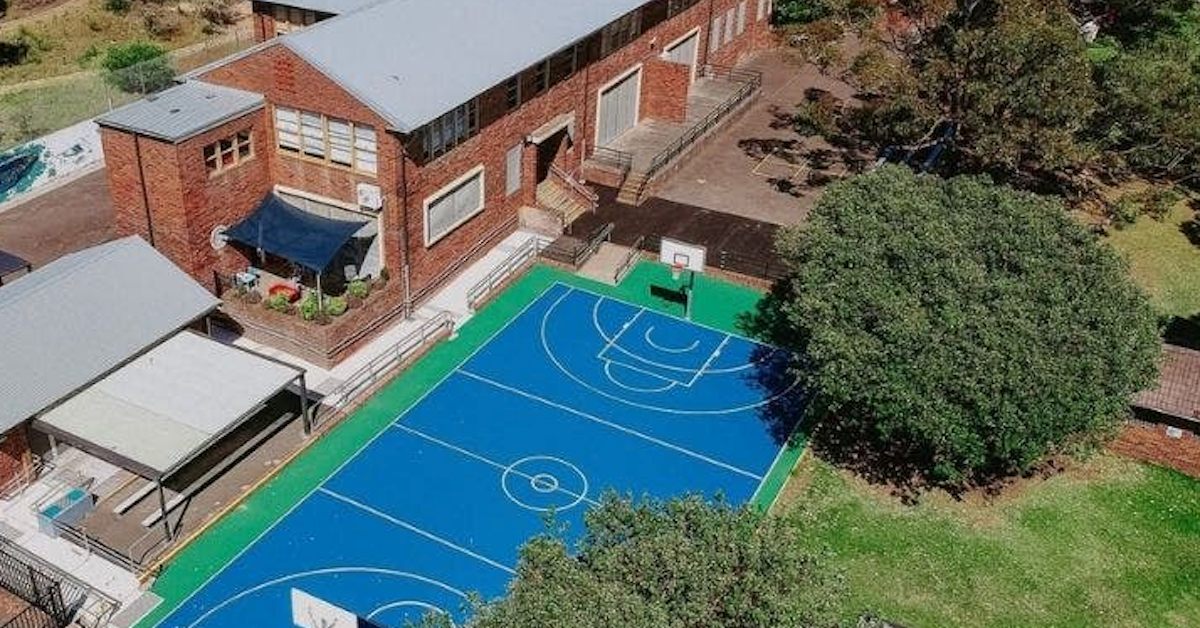
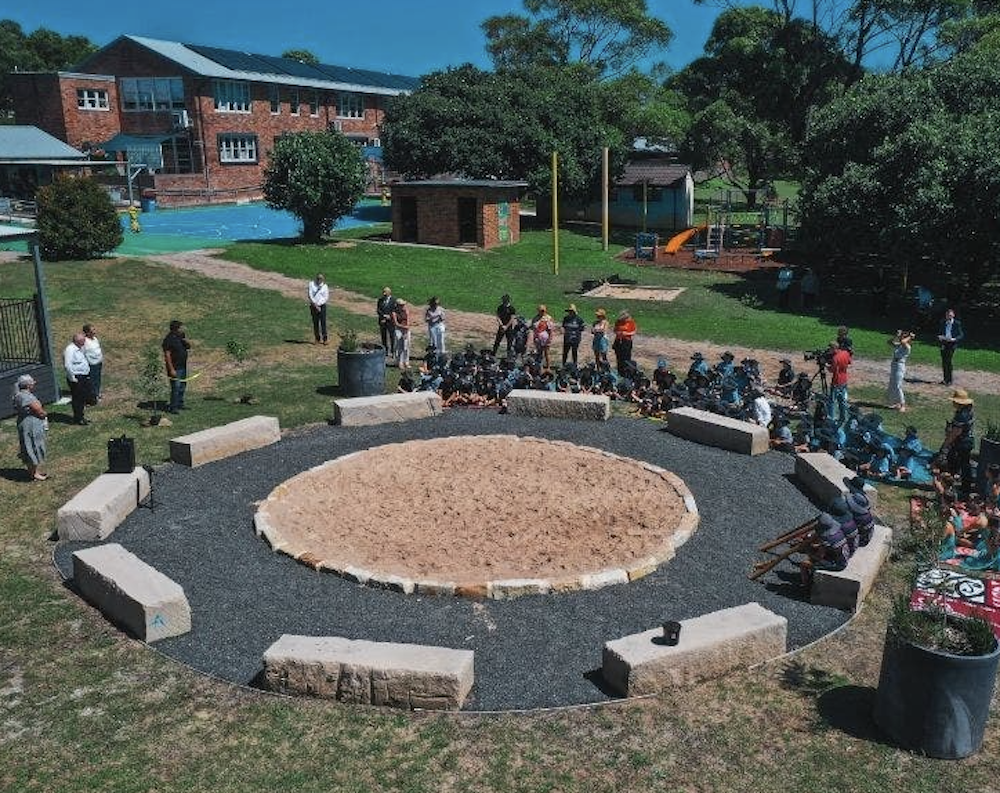
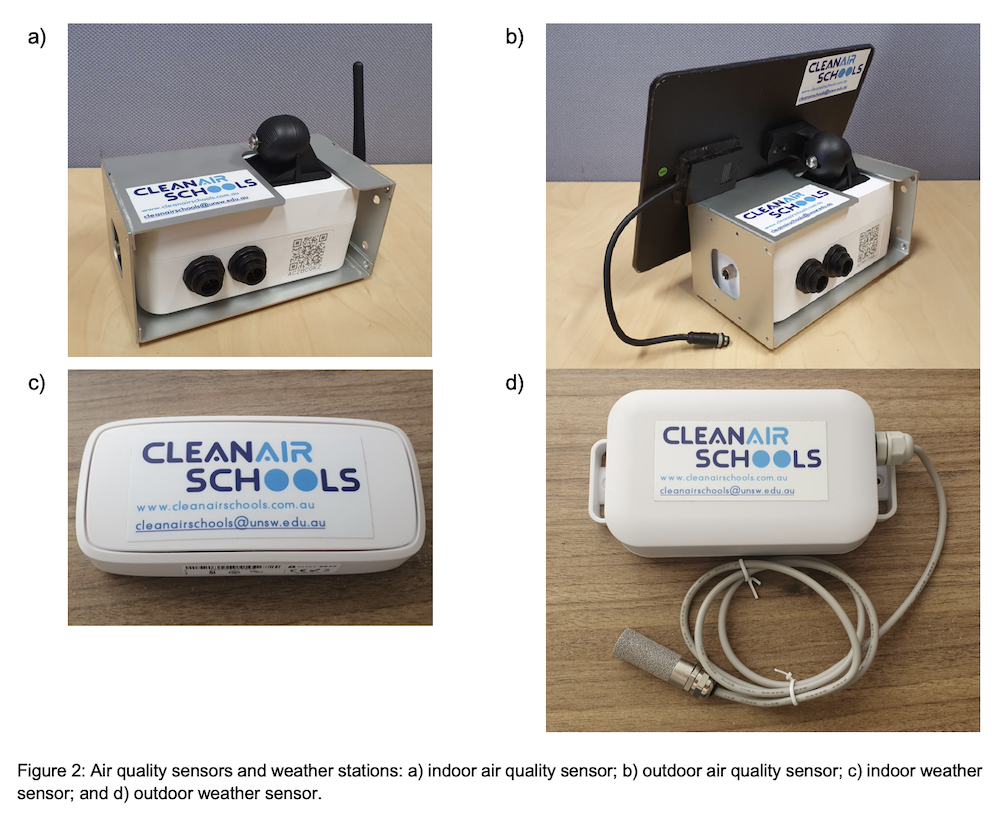
La Perouse Public School participated in the Clean Air Schools Program, a joint initiative between the NSW Department of Education and UNSW Sydney that monitored indoor and outdoor air quality between 2023 and 2025.


The final report examined carbon dioxide (CO₂), fine particulate matter (PM2.5) and nitrogen dioxide (NO₂) levels at schools across Sydney, Newcastle and Wollongong. Researchers collected air quality data from one classroom and one outdoor area at each participating school.

While the study identified 17 schools where the monitored classroom recorded carbon dioxide levels above the recommended 850 parts per million threshold for much of the school day, individual school results have not been publicly released.

As a result, it is not known whether the classroom monitored at La Perouse Public School was among those identified by researchers.

A school near major freight and transport corridors

La Perouse Public School is located in Sydney’s south-east, an area influenced by some of the state’s most significant transport and freight infrastructure.

Photo Credit: La Perouse Public School

The school sits within the broader Botany Bay region, not far from Port Botany, Foreshore Road and major freight routes that support one of Australia’s busiest container ports. Heavy vehicle movements and commuter traffic are a familiar part of the area’s transport network.

The Clean Air Schools report found that pollution sources near schools are often highly localised, with traffic and industry among the factors that can influence outdoor nitrogen dioxide levels.

While researchers did not publish individual pollution readings for La Perouse Public School, the study highlights the importance of understanding how local environmental conditions can influence air quality in and around schools.

What researchers found across NSW schools

The study found that most classrooms exceeded the recommended carbon dioxide threshold at some point during the school day, although these exceedances were often short-lived.

Three schools — Condell Park High School, Hebersham Public School and Mayfield East Public School — consistently recorded carbon dioxide levels above 1000 parts per million throughout much of the school day.

Researchers concluded there was evidence that some NSW classrooms were exceeding levels considered optimal for student learning and health.

Carbon dioxide is commonly used as an indicator of ventilation performance. Elevated levels do not necessarily mean a classroom is unsafe, but they can indicate that fresh air is not entering a room quickly enough.

The NSW Department of Education has stated that the report did not find classrooms were unsafe and has begun follow-up assessments.

One classroom, one school

An important limitation of the study was that only a single classroom was monitored at each participating school. Researchers acknowledged this means the results may not be representative of conditions elsewhere on the same campus.

The report noted that understanding air quality across an entire school would require monitoring a wider range of classrooms over a longer period.

Photo Credit: UNSW

Ventilation emerged as a key finding

One of the strongest findings in the report was the role of classroom design and ventilation.

Researchers found classrooms with cross-ventilation — where windows can be opened on multiple sides of a room — generally recorded lower carbon dioxide levels than classrooms without cross-ventilation.

Schools participating in the NSW Government’s Cooler Classrooms Program also tended to record lower carbon dioxide levels than schools relying primarily on split-system air-conditioning.


The report found that classrooms without cross-ventilation and without Cooler Classrooms upgrades recorded the highest average carbon dioxide levels.

Researchers recommended accelerating the installation of mechanical filtered ventilation systems, particularly in schools identified as having consistently poor natural ventilation.

Published 9-June-2026

Free Parking at Maroubra Beach Could End as Paid Parking Proposal Emerges

Free car parking at Maroubra and other eastern beaches is under threat following a proposal to introduce paid visitor parking across seven of Sydney’s most popular eastern beaches, with community feedback open until 5pm on 15 April 2026.


While Maroubra currently stands as Sydney’s best-value beach destination, offering three free car parks including one at Mahon Pool, that advantage may not last. A formal proposal to charge visitors for beach parking across the Randwick area has sparked a public debate about who should fund the $23.5 million annual cost of maintaining the beaches that millions of Sydneysiders enjoy each summer.

Maroubra: Sydney’s Free Parking Champion

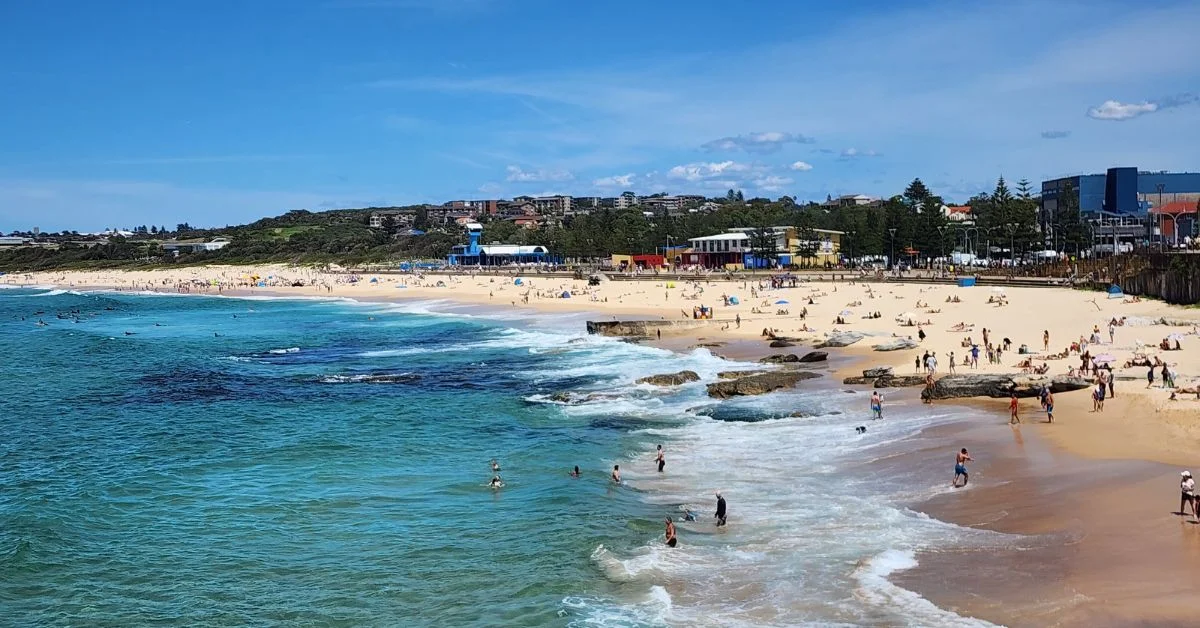
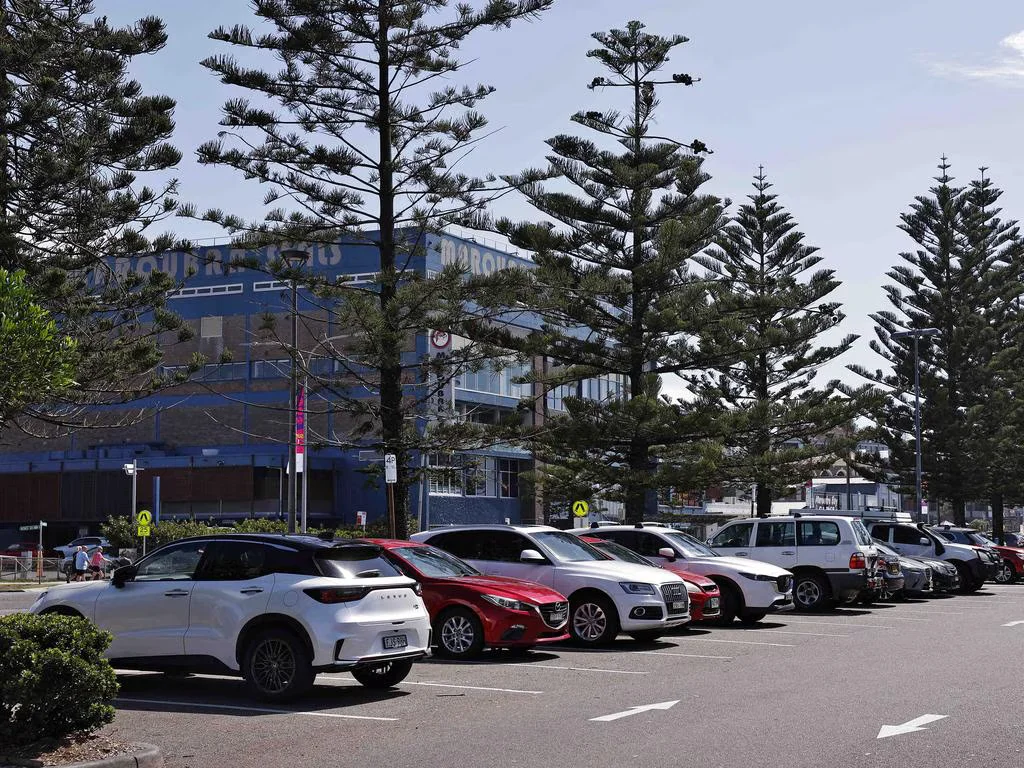
Maroubra currently offers the best beach parking deal in Sydney’s eastern suburbs by a wide margin. Three free car parks serve the beach and its surrounds. These sit adjacent to the main beach at Jack Vanny Reserve on the northern headland near Mahon Pool and at South Maroubra Beach. Free street parking also remains available along Maroubra Parade with a four hour limit while surrounding side streets carry no time restrictions.

Maroubra Parade offers free parking with a four-hour limit, side streets are free with no time limit, and free public car parks sit next to the main beach, at Jack Vanny Reserve slightly further north, and at South Maroubra Beach. That combination makes Maroubra the easiest beach in the eastern suburbs to visit by car without opening a wallet.

The beach itself adds to the value. Maroubra is an official National Surfing Reserve with a spectacular one-kilometre stretch of sand wrapped by rocky headland, natural bushland and expansive green parks with barbecue facilities, a shaded kids’ playground, a skate park and a free outdoor gym. At the southern end, the Eastern Beaches Coastal Walkway connects through Malabar Headland National Park to Malabar Beach.

Other Free Options in the Randwick Area

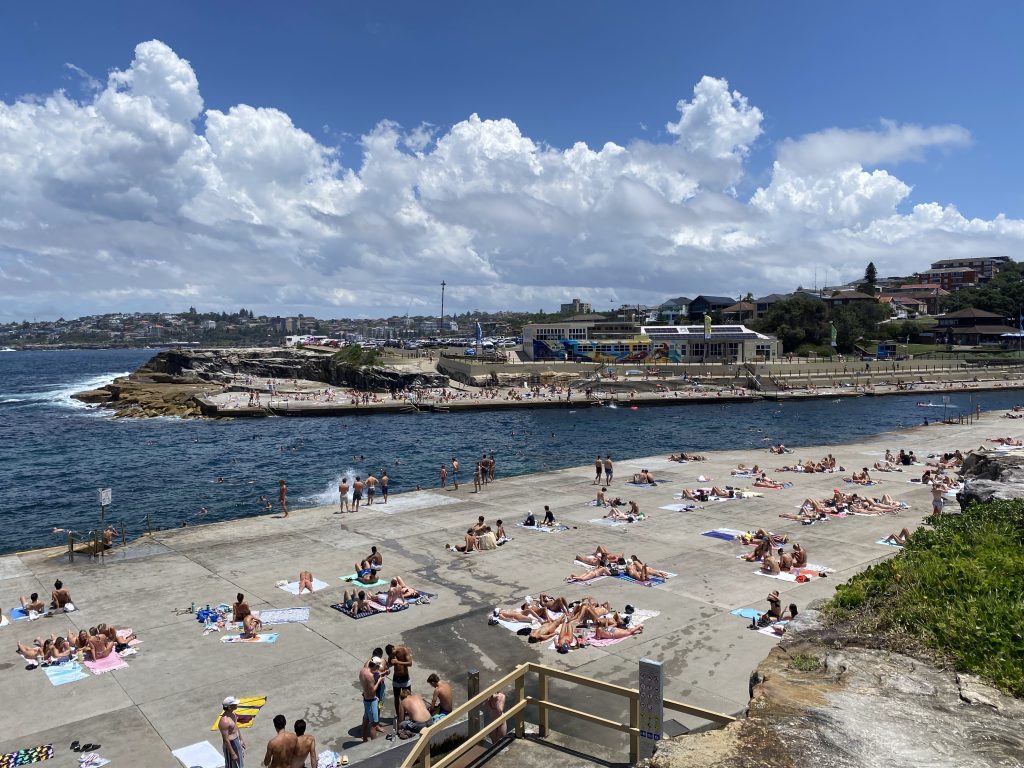
Maroubra is not the only free option for eastern suburbs beachgoers. Clovelly Beach has one free car park that also services Gordon’s Bay, though it fills quickly on warm days. Malabar, Little Bay and La Perouse all currently offer free parking. Meanwhile, Coogee Beach Parking and Coogee Parking Oval charge $5.50 per hour, though free parking is available along Arden Street and surrounding streets.

Clovelly Beach currently offers free parking as well.
Clovelly Beach. Photo Credit: Google Maps

Further afield, Tamarama, Brighton-Le-Sands, Ramsgate, Kurnell and North Cronulla Beach all offer free parking, as does the area surrounding Cronulla more broadly.

The Northern Beaches Premium

The second most expensive beach parking in Sydney sits across the Northern Beaches, where $10 per hour applies at Manly, Freshwater, Curl Curl, North Curl Curl, Dee Why, Collaroy, Narrabeen, Mona Vale, Newport, Avalon and Palm Beach. At Balmoral Beach in Mosman, the rate sits at $8 per hour along the foreshore.

The rationale across all paid parking zones is consistent: high visitor demand, limited spaces, and the cost of maintaining foreshore infrastructure. At Coogee, 1,781 parking spaces record an average 88 per cent occupancy on summer weekends, with approximately 4,700 vehicles per day staying for an average of 203 minutes each.

Why Maroubra’s Free Parking May Not Last

Randwick City’s free beach parking could soon be history at seven popular spots including Maroubra, Clovelly, Malabar, Little Bay, La Perouse and Yarra Bay, with a community consultation period running from 4 March 2026 as part of a proposal to introduce paid visitor parking. Under the proposal, local residents would be exempt through a free annual permit system, but visitors would pay. Rates have not yet been set, though comparable Sydney beaches currently charge between $7 and $11 per hour. If approved, paid parking could be introduced in late 2026 or into 2027.

Photo Credit: Sam Ruttyn

The rationale behind the proposal is financial. Maintaining Randwick’s beaches costs approximately $23.5 million per year, covering lifeguard services, beach cleaning, rubbish collection, coastal walkways, toilet facilities and surf club support. Up to 84 per cent of beach visitors in summer come from outside the Randwick area, yet local ratepayers currently fund the entire cost.

Why This Matters for Maroubra Residents

For Maroubra residents, free beach parking is both a practical daily convenience and a point of genuine local pride. The suburb’s parking advantage over neighbouring Coogee and Bondi attracts beachgoers from across the city, supporting local cafes, restaurants and businesses along Marine Parade and McKeon Street. If paid parking is introduced following the consultation, the resident permit exemption means locals would retain free access — but the broader accessibility that has made Maroubra a popular destination for Sydney families on a budget would change.

The community consultation on the paid parking proposal closes at 5pm on 15 April 2026. Residents can complete the survey online or return the paper survey mailed to every household. Drop-in sessions for questions are available at Coogee Beach Promenade on Saturday 21 March and McKeon Street Plaza, Maroubra Beach on Saturday 28 March, both from 10am to 12pm. Enquiries can be directed to 1300 722 542.


Published 9-March-2026.

First Nations Cultural Precinct Planned for La Perouse

A proposal has been unveiled to transform the La Perouse Museum and its surrounding headland into a First Nations Cultural Precinct, developed with leadership from the local Aboriginal community.


Historic Grounds Reimagined

The proposed La Perouse First Nations Cultural Precinct aims to restore the 130-year-old museum and repurpose the surrounding headland as a site dedicated to Aboriginal culture. The redevelopment is a joint initiative between Randwick City officials and the La Perouse Local Aboriginal Land Council.

The project incorporates guidance from the NSW Heritage Council and follows “Designing with Country” design principles, aiming to highlight the cultural and historical importance of the La Perouse Aboriginal community at a national level.

La Perouse
Photo Credit: RandwickCityCouncil

Longstanding Aboriginal Community Presence

The La Perouse Aboriginal community is recognised as Sydney’s oldest continuously operating and only formally established Aboriginal settlement. Many families who have lived in the region for generations continue to maintain cultural ties to the coastal area around Botany Bay. Historical estimates suggest around 1500 Aboriginal people lived between Broken Bay and Botany Bay at the time of British arrival in 1788.

Scope, Investment and Economic Impact

An initial feasibility assessment indicates that approximately $99 million will be needed for the redevelopment. This will cover restoration of the heritage-listed museum, creation of 900m² of climate-controlled exhibition space, and development of a broader 2,340m² new building footprint. The site-wide masterplan recognises the cultural, environmental, and social value of the location.

Aboriginal heritage
Photo Credit: RandwickCityCouncil

The existing museum facilities fall short of modern accessibility and exhibition standards. The updated precinct will support the return of cultural objects from both national and international collections and is expected to create 230 direct construction jobs and 150 supply chain roles, contributing to the local economy.

The project also includes a Bushtucker restaurant, dedicated spaces for 20 market stalls, and infrastructure to support large outdoor festivals and cultural events, reinforcing its role as a destination for cultural tourism and public engagement.

Public Reception and Infrastructure Concerns

Public comments on online forums reflect broad support for the precinct and its cultural significance. Some residents raised concerns about existing transport limitations, particularly the lack of direct city links and reduced bus services outside peak periods. Suggestions included light rail extensions, a B-line service, and better connectivity to Eastgardens and Bondi Junction.

Discussions also touched on the need for improved maintenance of public spaces, especially around fishing areas, with calls for stronger community cooperation in managing litter and vandalism near the coast.

First Nations Cultural Precinct
Photo Credit: RandwickCityCouncil

Next Steps and Planning


The upcoming phase will involve formalising governance structures and pursuing funding commitments from both the State and Federal governments. Public engagement and consultation will continue as part of the planning and delivery process.

Published 30-May-2025

Safety Concerns Prompt Parking Restrictions Along Anzac Parade

In response to mounting complaints and concerns about safety, a 4.5-kilometre stretch of Anzac Parade between Matraville and La Perouse is now off-limits for parking boats, trailers, and caravans.


Parking Restrictions Take Effect

“No parking” signs would be installed along the grassed median strip of Anzac Parade, from Kain Avenue to Bunnerong Road, within 10 days following the announcement. Vehicles currently parked in the area have been issued warning notices, and owners are given a grace period to adjust to the changes before fines of $129 are enforced. Variable message boards are also in place to notify residents of the new restrictions.

According to Council, the area has become increasingly used as a storage site for larger vehicles, which creates safety risks for pedestrians and obstructs traffic visibility. Complaints from residents and local precinct committees about the congestion and hazards prompted the council to act.

Mixed Reactions from the Community

Residents have expressed divided opinions about the move. While some welcome the decision to address safety concerns and clear the medians, others worry the change will push vehicles into residential streets where parking is already limited.

A Randwick City Council spokesperson stated that the aim is to make the green spaces safer for pedestrians and improve traffic conditions. However, some residents argue that parking recreational vehicles on the median strip is a practical solution to reduce street congestion and are calling for long-term storage options to be provided.

Long-Term Plans and Costs

To support residents, Council is considering the construction of formalised parking bays for cars along Anzac Parade but clarified that these would not accommodate boats or caravans. Additionally, plans are underway to improve the green space by planting more native and indigenous plants. This is expected to provide screening, shade, and noise reduction for the surrounding area.

As a potential long-term measure, the council is consulting with Transport for NSW to explore the installation of low-level railings to prevent vehicles from parking on the median strip. The estimated cost for fencing, parking areas, and landscaping is $550,000, which will be considered in the 2025–26 budget.


Council has committed to informing residents about these changes and future developments. Letters have been sent to vehicle owners where possible, and the community will be consulted further as plans for formalised parking and green space improvements progress.

Published 7-Dec-2024