


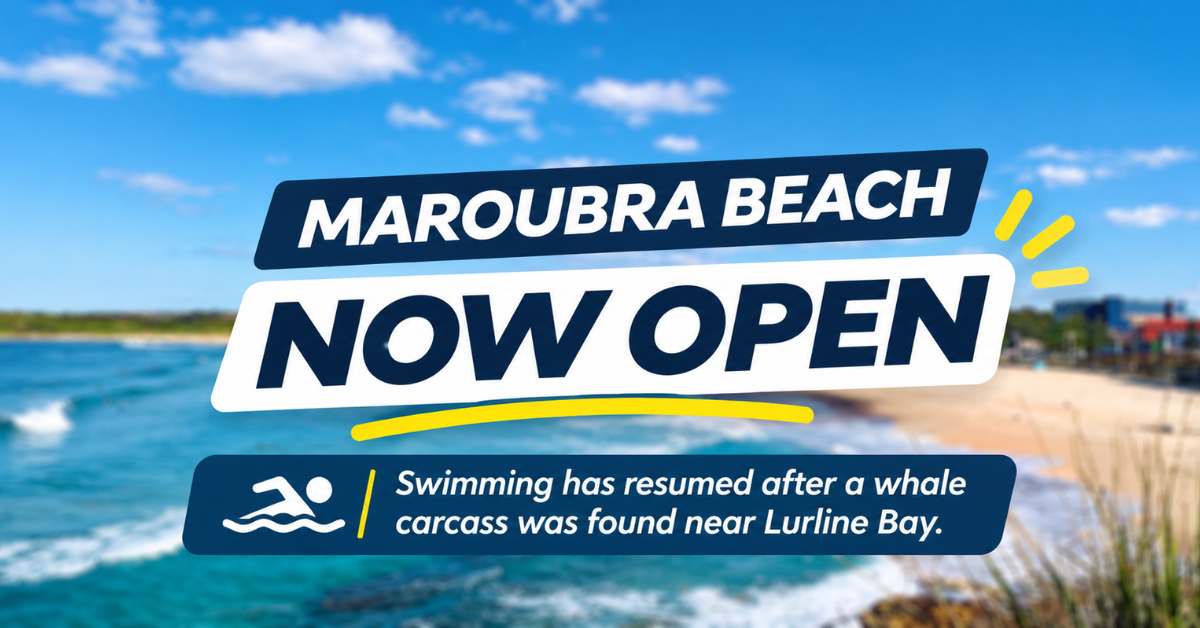
Maroubra Beach Reopens After Whale Carcass Scare and Dangerous Surf

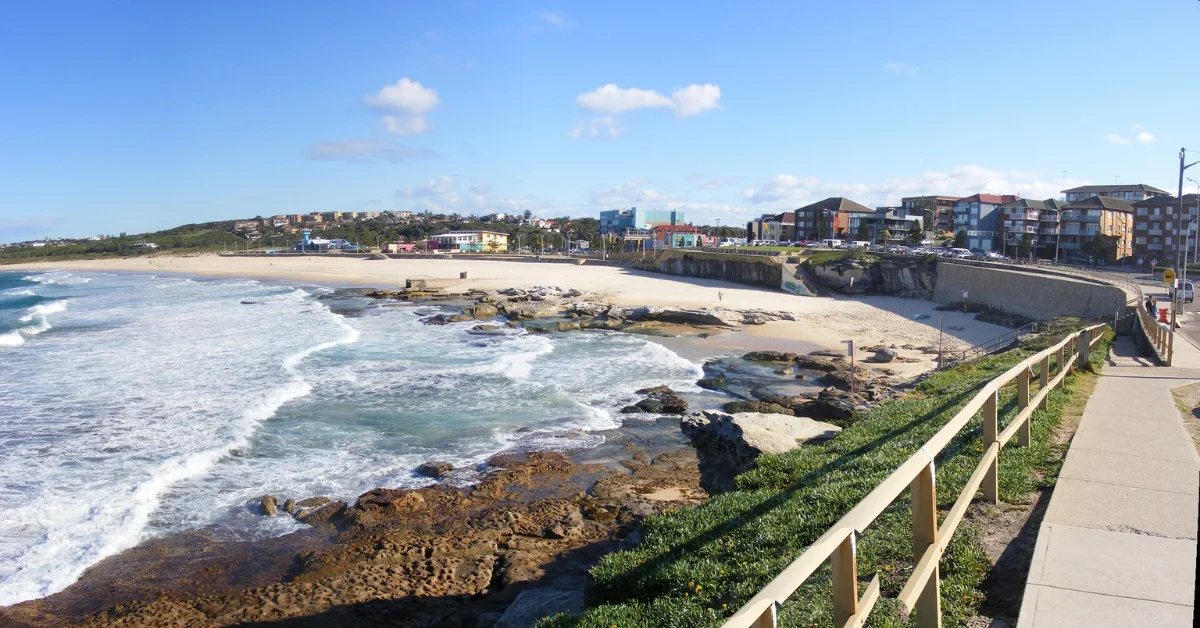
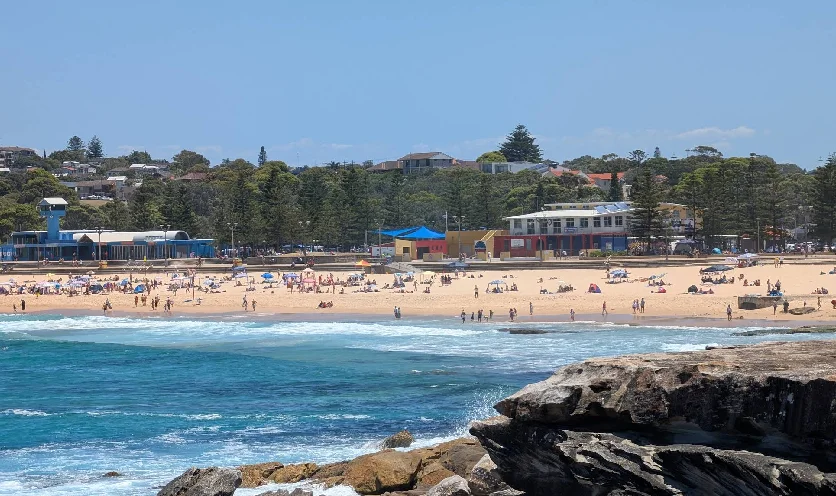
Maroubra Beach has reopened after a decomposing juvenile whale carcass was found near its northern coastline, although dangerous surf conditions initially restricted swimming to a small supervised area.


The discovery at Lurline Bay on Thursday, 22 October, prompted Randwick City Council to close both Maroubra and Coogee beaches as a precaution. Authorities were concerned the remains could attract sharks, despite the whale being some distance from the main swimming areas. By Friday 23 October, lifeguards had reopened Maroubra with a small flagged section directly outside the lifeguard office. Coogee also reopened, but conditions at Maroubra required additional restrictions because of dangerous surf.
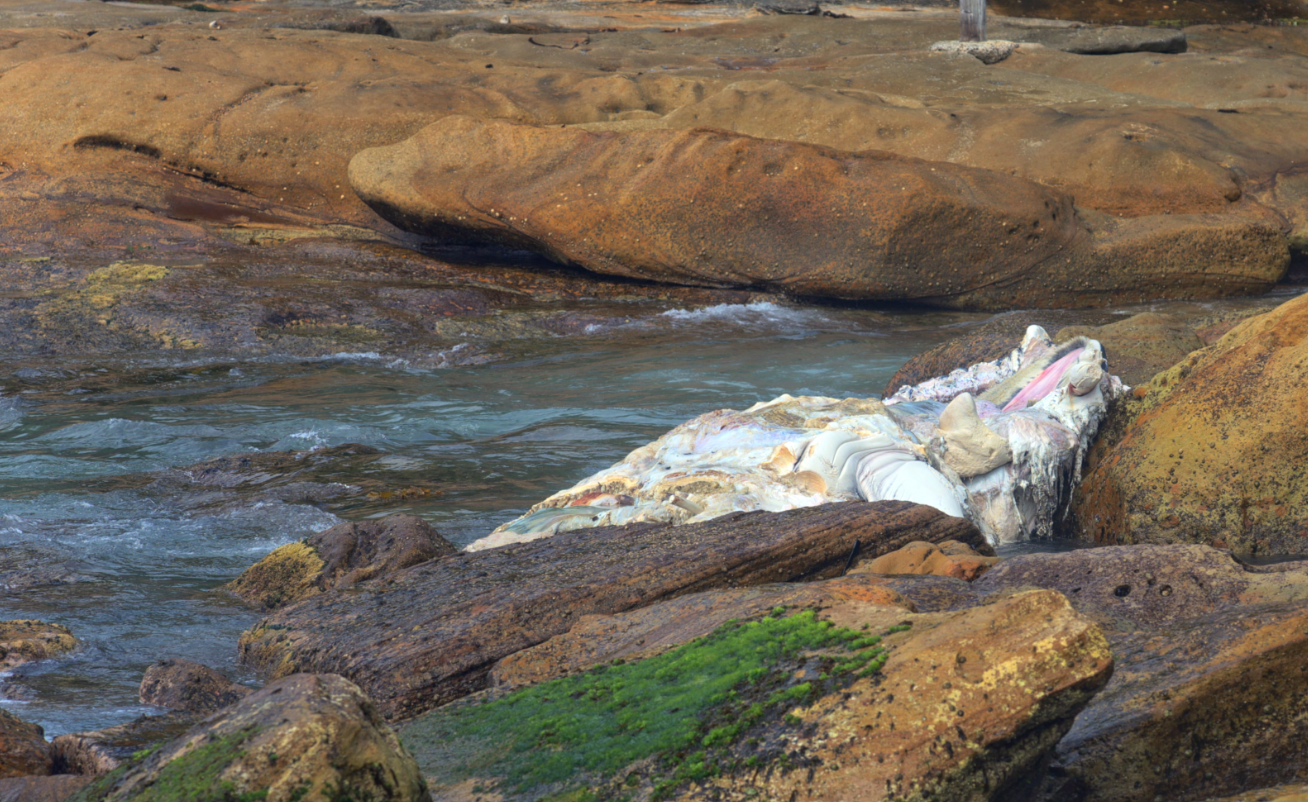
 whale carcass
Photo Credit: RandwickCityCouncil

Whale Discovery Leaves Authorities Facing Difficult Conditions

The carcass was lodged among rocks at Lurline Bay, just north of Maroubra, where cliffs and rocky ledges made it difficult for crews to reach the remains. The whale was already badly decomposed when authorities responded. An earlier attempt to move it out to sea had taken place after the carcass was found off Sydney’s northern beaches.

Rope remained attached to one of its pectoral fins, which Senior Gamay Ranger Robert Cooley said had been used during the previous towing attempt. The whale’s position at Lurline Bay meant machinery could not easily be brought in to retrieve it. The Gamay Rangers initially preferred to leave the remains to break down naturally rather than attempt a difficult recovery from the rocks.
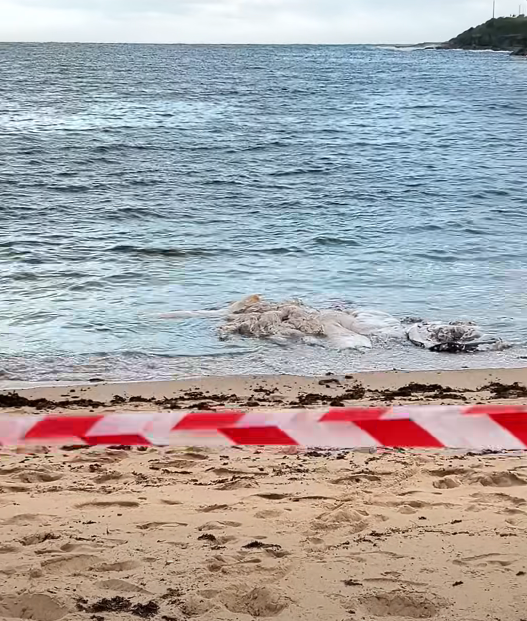
Maroubra Beach whale carcass
Photo Credit: RandwickCityCouncil/Facebook

Randwick City Council consulted the rangers, the La Perouse Local Aboriginal Land Council and state authorities while considering the safest and most culturally appropriate response. The whale holds spiritual importance for the local Bidjigal people, who regard it as a totem animal. Cultural representatives remained involved as authorities considered how to handle the deteriorating carcass.

From Lurline Bay To The Sands of Malabar

The situation changed on Monday, 26 October, when strong currents dislodged the carcass and carried it further south to Malabar Beach. The remains washed ashore, prompting lifeguards to close Malabar and barricade the affected stretch of sand. At least two large sections were visible near the shoreline the following morning.
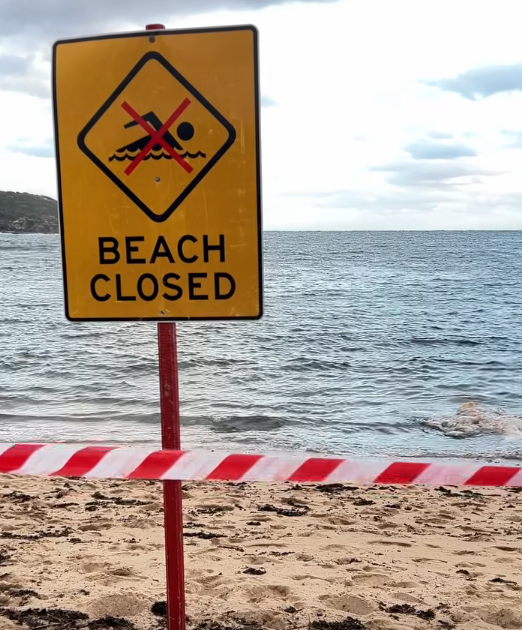
Maroubra Beach closed
Photo Credit: RandwickCityCouncil/Facebook

Crews used machinery to move the whale further up the beach while specialist contractors were being arranged to take the remains to a suitable disposal facility. A Gamay Rangers cultural adviser attended the operation, although the advanced decomposition meant the whale was reportedly no longer suitable for a cultural burial.


Dr Clare Willington advised beachgoers to avoid Malabar during the removal work. At Maroubra, the latest lifeguard report on Wednesday, 28 October, confirmed the beach was open. Waves were around one metre, but lifeguards continued to warn of large, dangerous rips along the beach. The flagged swimming area was positioned on a small sandbank near the middle of the beach, with swimmers advised to follow the directions of lifeguards on duty.

Published 23-October-2026

Updated 27-October-2026
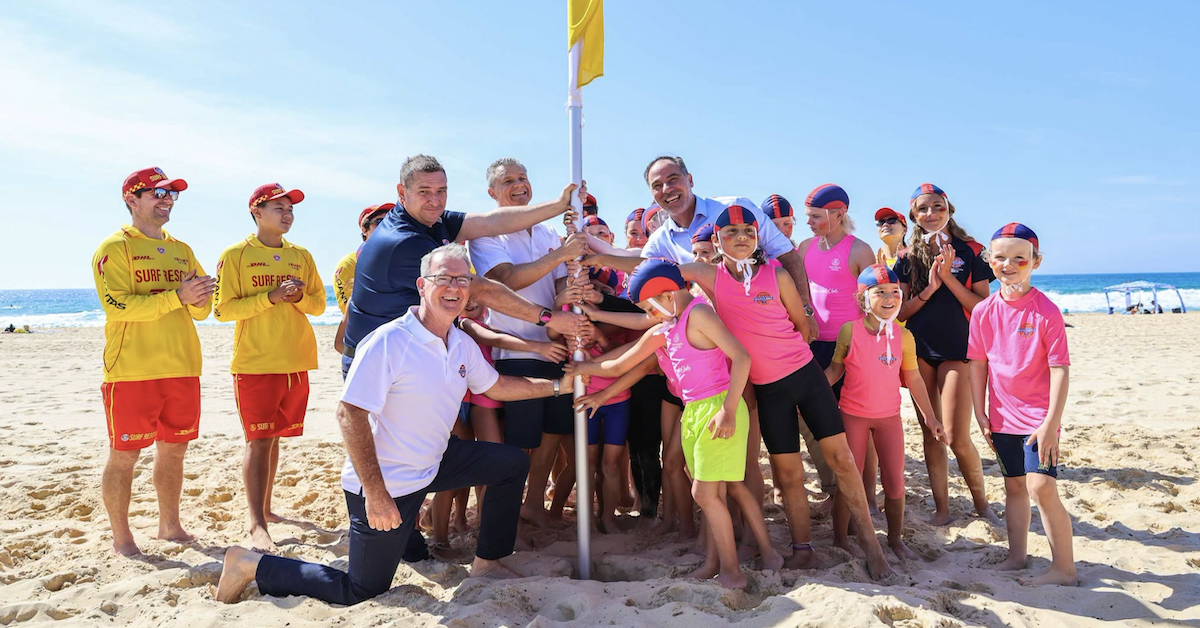
Maroubra Lifesavers Return to Patrol as Little Bay AI Cameras Monitor Coastal Dangers

Maroubra’s volunteer surf lifesavers have returned to patrol as a nearby artificial intelligence camera trial at Little Bay continues to monitor dangerous rock fishing platforms, adding another layer of coastal safety protection ahead of summer.


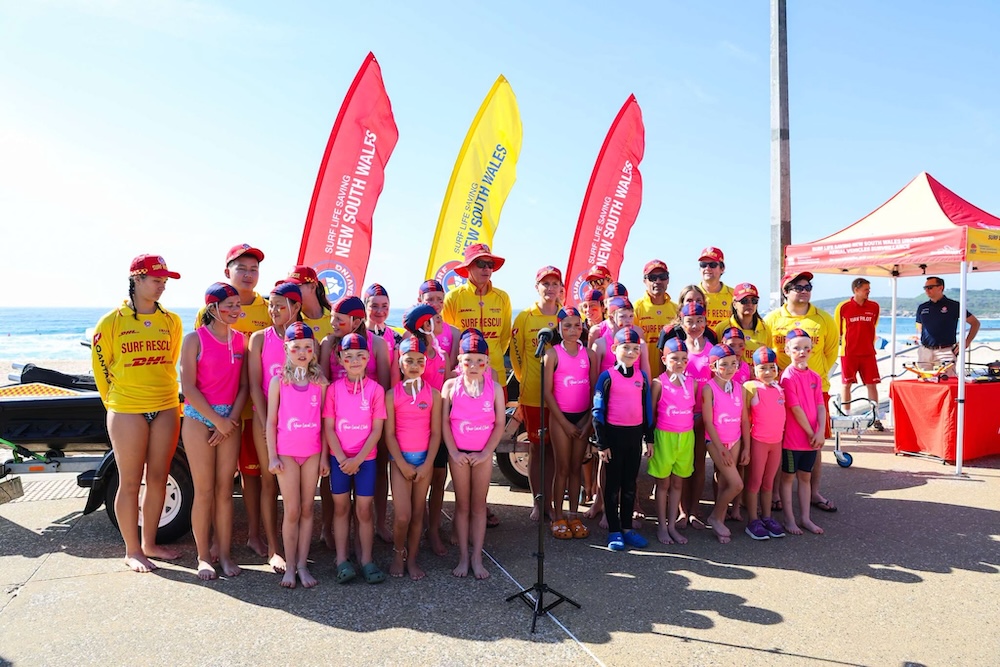
The 2026–27 patrol season began on Saturday 26 September with a flag-raising ceremony at Maroubra Beach, attended by surf lifesavers, Nippers and NSW Emergency Services Minister Jihad Dib. Volunteer patrols operate on weekends and public holidays until 26 April 2027. 

Maroubra and South Maroubra surf lifesaving clubs are among 129 clubs participating in the statewide season. Both beaches, along with Little Bay, are also included in the expanded daily shark drone surveillance programme, which operates separately from volunteer patrols. 

The season began against a troubling record of coastal drownings. By late September, nine people had drowned along the NSW coastline since 1 July 2026, including a swimmer at unpatrolled Marley Beach south of Cronulla. The previous financial year recorded 60 coastal and ocean drowning deaths, all occurring outside patrolled areas or away from lifesaving services. 

Little Bay cameras detect coastal emergencies

Little Bay is one of two NSW locations taking part in a 14-month trial of Surveillance AI for Lifesaving (SAIL), a camera-based system designed to identify people swept from rock platforms into the ocean. The other trial site is Kiama Blowhole, with the project scheduled to conclude in November 2026.

The cameras capture video feeds analysed by artificial intelligence. When a possible emergency is detected with high confidence, the system alerts Surf Life Saving NSW’s State Operations Centre, where operators can assess the footage and coordinate an appropriate rescue response.

Little Bay’s inclusion follows eight rock fishing drowning deaths across the Randwick local government area during the decade preceding November 2025, five of them at Little Bay. The location’s exposed rock platforms and history of emergencies contributed to its selection for the trial.

The technology has already assisted in a rescue near Malabar, where cameras detected two fishermen being swept into the water during a heavy swell. According to Surf Life Saving NSW, a rescue jet ski was dispatched and both men, who were wearing lifejackets, were brought to safety.

Rock fishing deaths drive local safety measures

Other safety initiatives have focused on access to lifejackets and education for people fishing along Randwick’s coastline.

A free lifejacket borrowing trial began at Des Renford Leisure Centre in Maroubra in May 2026, providing equipment for rock fishers visiting nearby coastal locations. The programme was originally scheduled to conclude on 30 June, followed by a review.

Randwick City Council reported 24 rock fishing deaths across the local government area over the preceding 25 years. Wearing a lifejacket while rock fishing is mandatory throughout the area, with fishers also advised to check swell conditions, use non-slip footwear and avoid fishing alone.

Surf Life Saving NSW has also expanded its Gone Fishing education programme, targeting communities at greater risk of rock fishing accidents. A workshop was held at Little Bay in September, with further sessions scheduled across NSW through March 2027. 


Volunteer ranks grow ahead of summer

Surf Life Saving NSW enters the season with 22,123 active patrolling volunteers, an increase of two per cent from the previous year. Total membership reached 86,456, including 31,023 junior Nippers.

Photo Credit: Surf Life Saving NSW/Facebook

Organisation president Elissa Hancock said the growing volunteer workforce was preparing for a demanding summer, with increased beach attendance expected to place pressure on coastal safety services.

Emergency Services Minister Jihad Dib said the government was continuing to support lifesavers through investment in rescue equipment and technology. He urged swimmers to follow safety advice and remain between the red and yellow flags.

Beachgoers can check patrol locations and coastal conditions through Beachsafe.

Published 1-Oct-2026

South Maroubra Lifesaver Ffyon McCabe Recognised for Beach Safety Work

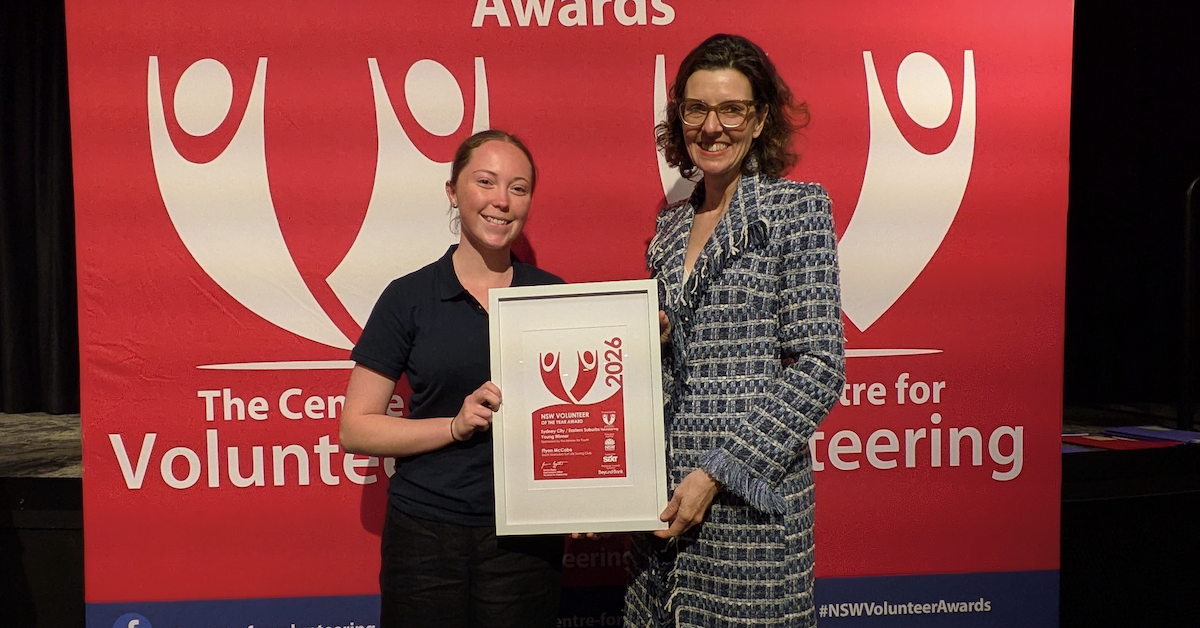
Ffyon McCabe, a teenage surf lifesaver from Eastlakes, has been named the 2026 Sydney City/Eastern Suburbs Young Volunteer of the Year for her outstanding work with the South Maroubra Surf Life Saving Club.


Recognised by The Centre for Volunteering, McCabe contributes about 90 hours each year to beach patrols alongside developing her Beach Safety Awareness Program—an initiative that has grown from a small local project into an impactful campaign delivered by young volunteers to more than 3,500 students across 10 schools.

An idea that started in local classrooms

McCabe’s beach-safety work began on a much smaller scale. South Maroubra Surf Life Saving Club reported in 2024 that McCabe, then serving as Youth Club Captain, had started the Beach Safety Awareness Program after becoming concerned about drowning statistics.

At that stage, the program had reached about 300 kindergarten and Year 1 students across three primary schools in the Randwick local government area. The program took beach-safety education into those schools, initially targeting younger primary students.

Its subsequent expansion to more than 3,500 students across 10 schools represents a more than tenfold increase in the number of students reached since those early reports.

Young volunteers extend the program’s reach

The program is now being delivered by a broader group of young volunteers. According to the Centre for Volunteering, young volunteers are delivering the program across participating schools, helping extend its reach.

South Maroubra Surf Life Saving Club has previously reported that McCabe was leading a team delivering community education and surf-awareness programs to schools in the area.

The school-based program gives students access to surf-awareness education away from the beach itself. For South Maroubra, it extends the club’s safety work beyond beach patrols and into community education.

From Nipper captain to youth leadership

McCabe’s involvement with South Maroubra has included a series of youth leadership roles.

Club records show she was named a Nipper Club Captain for the 2023/24 season, at a time when South Maroubra reported having more than 1,100 nippers and cadets. She later served as Youth Club Captain and was jointly named an Outstanding Cadet for the 2023/24 season.

Her role has since extended beyond South Maroubra. Surf Life Saving Sydney currently lists McCabe as Youth Manager, representing South Maroubra on its Youth team.

She was also one of four young members invited to speak at Surf Life Saving Sydney’s 2025/26 pre-season briefing about why involvement in Surf Life Saving is worthwhile.

Ninety hours a year on patrol

The education program sits alongside McCabe’s regular lifesaving duties. The Centre for Volunteering says she contributes about 90 hours each year patrolling beaches and keeping watch over beachgoers.

Patrol work remains a central part of surf lifesaving, alongside the education and youth-development activities documented by South Maroubra.

McCabe’s award recognises both her beach patrol work and her efforts to extend beach-safety education into local schools.

Photo Credit: Supplied

Regional recognition for a young lifesaver

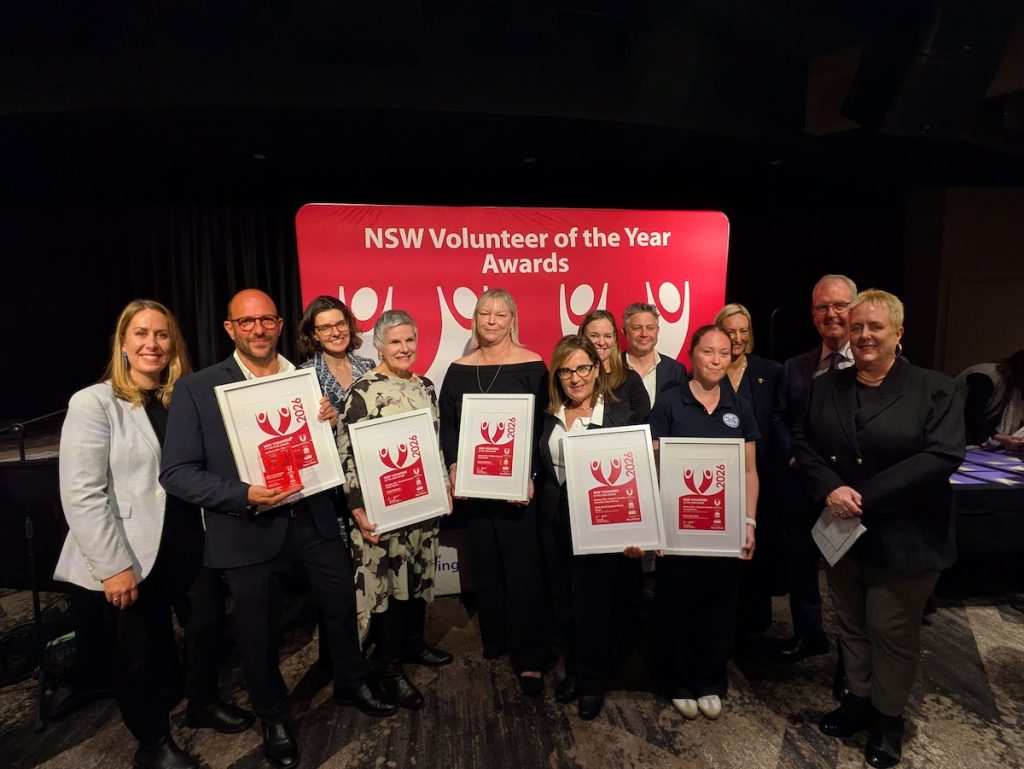
McCabe received the Young Volunteer of the Year honour as part of the 2026 NSW Volunteer of the Year Awards, run by the Centre for Volunteering.


The awards are now in their 20th year and recognise volunteers and volunteer teams from regions across New South Wales. Other Sydney City/Eastern Suburbs recipients this year include Maroubra netball volunteer Tanya Coleman, Chippendale volunteer Susie Elelman and Bondi lifesaver Robyn Farmer.

Published 12-Aug-2026

Meteor Seen From Maroubra Turns Sydney Sky Blue-Green

A meteor seen from Maroubra turned the Sydney night sky blue-green for a few seconds, giving beach cameras, motorists and evening onlookers across eastern Australia a sudden view of a fireball moving through the atmosphere.


A Sudden Flash Over Maroubra

The night sky over Maroubra Beach changed in an instant when a bright meteor passed through the atmosphere, lighting the coastline in a burst of blue-green light.

Surf camera footage from Sydney’s east captured the moment at about 6:30 pm, showing the water and shoreline briefly illuminated before the flash faded. Smoke-like trails were visible in the sky soon after, adding to the unusual scene seen from the coast.

The fireball appeared on Thursday night, 21 May 2026, and was reported well beyond Maroubra. Sightings came from across Sydney, regional NSW, Canberra and parts of Queensland, turning a brief natural event into a shared moment for people who happened to be looking up, driving home, playing sport or reviewing camera footage afterwards.

Maroubra Meteor Seen Far Beyond The Coast

The meteor seen from Maroubra was also reported across Sydney’s Northern Beaches, the Inner West, Randwick, Malabar, Bondi and Newcastle. Further inland, sightings were reported from Mudgee, Bathurst, Junee and Jugiong, while other community reports described the flash around Lithgow, Rylstone, Dunedoo, Windeyer, Botobolar, Grattai, Goolma Road and Hill End Road.

In Sydney’s Northern Beaches, a golfer filming his swing captured the fireball crossing the sky in the background. Dashcam footage also recorded the meteor from Sydney roads, including the M5 and areas around Bondi and Eastern Creek.

In Canberra, the flash appeared at the start of an Australia Cup Qualifier between Queanbeyan City and Canberra Croatia, briefly turning attention from the match to the sky.

Across the accounts, the same details appeared repeatedly: a sudden brightening, a green-blue glow, and a flash strong enough to make parts of the sky look momentarily lit.

Why The Fireball Changed Colour

Astrophysicist and cosmologist Dr Brad Tucker identified the object as a meteor and linked its blue-green colour to iron and nickel. The bright flash suggested the object likely fractured as pressure built while it travelled through the atmosphere.

The meteor was estimated at about 30 to 50 centimetres in size based on its brightness. Its colours appeared differently depending on where people saw it, with some accounts describing blue and green tones and others seeing silver or orange.

Amateur astronomer David Finaly described the event as a fireball, a bright type of meteor capable of lighting the night sky. The colour variation may have depended on the object’s temperature, its position near the horizon, the viewing angle and atmospheric conditions.

A Brief Natural Display Across Eastern Australia

No injuries or property damage were reported after the meteor was seen across eastern Australia.


The surf camera footage gave the event a strong coastal image: a dark beach suddenly lit by a passing fireball. For others, it was caught by dashcams, sports livestreams and personal cameras, leaving behind a record of a brief but widely noticed night-sky event.

Published 22-May-2026

Locals Fear Parking Changes Could Alter Maroubra’s Character

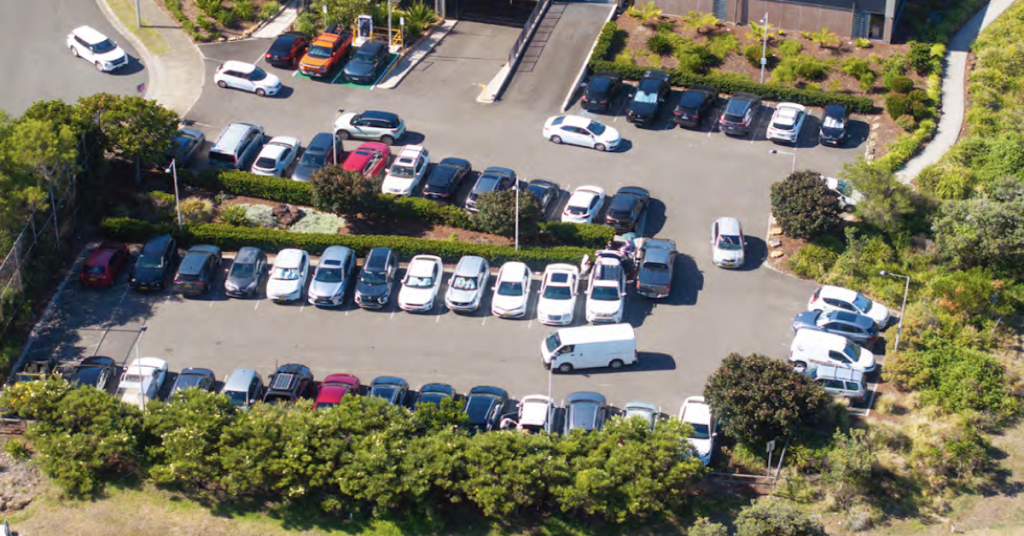
Opposition to the proposed paid beach parking scheme is continuing to grow in Maroubra, where residents and business owners say the changes could reshape the character of the suburb and make beach access harder for families.


The proposal would introduce paid parking for visitors near beaches across Randwick’s coastline, including Maroubra Beach. Residents would receive free permits under the scheme, although Council is now reviewing how many permits each household would receive after strong public backlash.

The parking changes are intended to help cover rising beach maintenance costs and improve parking turnover in busy coastal areas. According to council figures, annual maintenance costs across local beaches total about $23 million.

Longtime Residents Reject ‘Pay to Visit the Beach’

Many Maroubra residents say the proposal conflicts with the suburb’s long-standing beach culture and community identity.  A longtime resident recalled earlier attempts to introduce parking meters in Maroubra decades ago also faced strong resistance from locals.

Several residents have also raised concerns about larger households with multiple vehicles and the impact paid parking may have on visiting family members, workers and younger drivers.

Photo Credit: RandwickCC

Maroubra Businesses Fear Changes to Local Atmosphere

Business owners near Maroubra Beach are also watching the proposal closely amid concerns parking charges could discourage people from spending time in the area.

Some owners said they were already facing difficult conditions and feared higher parking costs could affect regular customer visits. The residents have also expressed concern the changes could shift the atmosphere of Maroubra toward a more tourist-focused beach culture similar to other parts of Sydney’s eastern suburbs.

South Maroubra Chamber of Commerce president Richard Walsh said expectations that parking meters would solve congestion problems during summer weekends were unrealistic.

Randwick Council has not yet announced when a final version of the parking proposal will be presented.


Published 18-May-2026

Saved by the Bra Boys: A Maroubra Man’s Story of Recovery

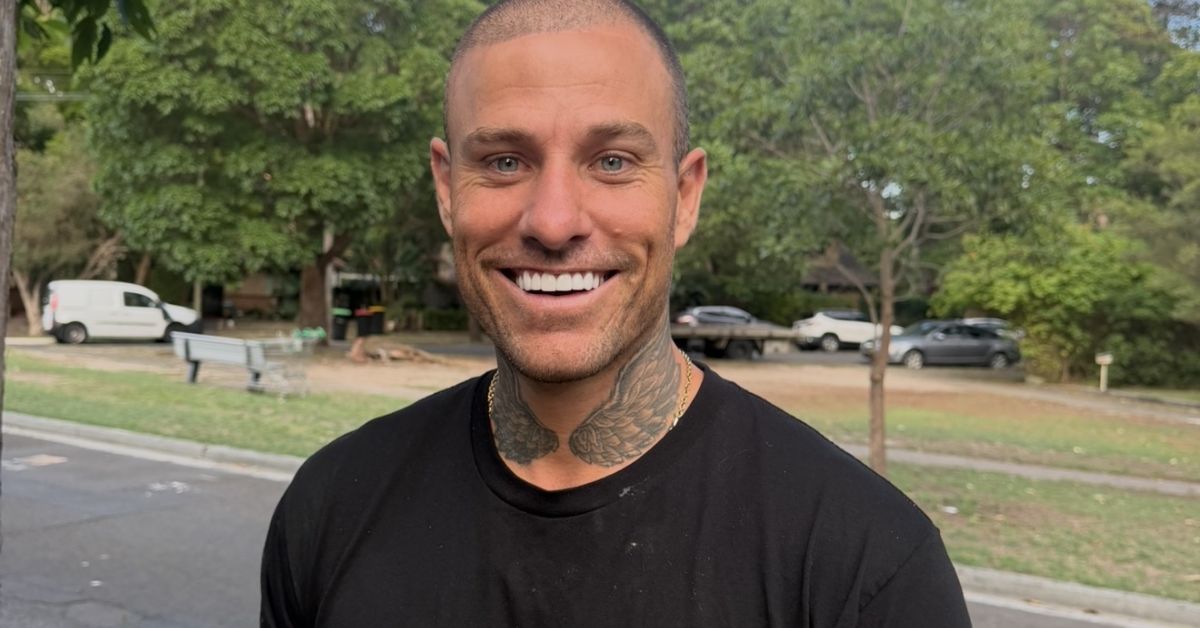
Troy Reardon was 23, weighed 65 kilograms, and was using ice every day when a friend knocked on his window one night and told him there was a rehab centre waiting for him. That moment, and the community that made it possible, is why the 33-year-old Maroubra landscaper and youth mentor is still alive today.


Reardon has been sober for nearly a decade. He is now a homeowner, a business owner and a father. He runs a fitness and mentoring programme called Side by Side at Maroubra Beach, has spoken at schools including Waverley College, and is launching a gambling support group that drew 100 sign-ups within 24 hours of being announced.

The through-line connecting all of it is a single group of people: the Bra Boys, the Maroubra surf community whose unwavering support, in his telling, is the reason he is here at all.

“Without some of my Bra Boy friends, I would not be sober today,” Reardon says. “They would drive me to rehab. They took me to detox. They answered the call every single day.”

Growing Up in Maroubra

Reardon grew up in public housing near Maroubra Beach, in a suburb that has always meant something particular. For those who know it, Maroubra is not just a beach. It is a community with a deep, sometimes complicated identity, shaped by generations of working-class families, a fierce local loyalty and the kind of bonds formed when people grow up in proximity and necessity.

That environment, at its best, produces exactly the kind of connection that saved Reardon’s life. At its most difficult, it was also the context he was navigating as a child.

“I’d come home at the age of 8 and have to resuscitate people who had overdosed in the hallway,” he recalls. His father was largely absent. His mother, who worked three jobs to provide for him, was dealing with her own addiction. Born with a rare birthmark on his head, Reardon was also a target for bullies from a young age, and by 16 he had found a temporary solution in gambling.

“It numbed me. It was a sense of relief. I’d found the solution to my insecurity around my birthmark, my childhood,” he said.

The gambling gave way to cocaine and ecstasy. A first stint in rehab at 19 was followed by a turn to ice. The violence that ran alongside his addiction left him with serious physical injuries, including a stabbing to the jugular in an argument at the beach. He describes the hospitalisation visits across that period as simply “out of this world.”

The Community That Pulled Him Back

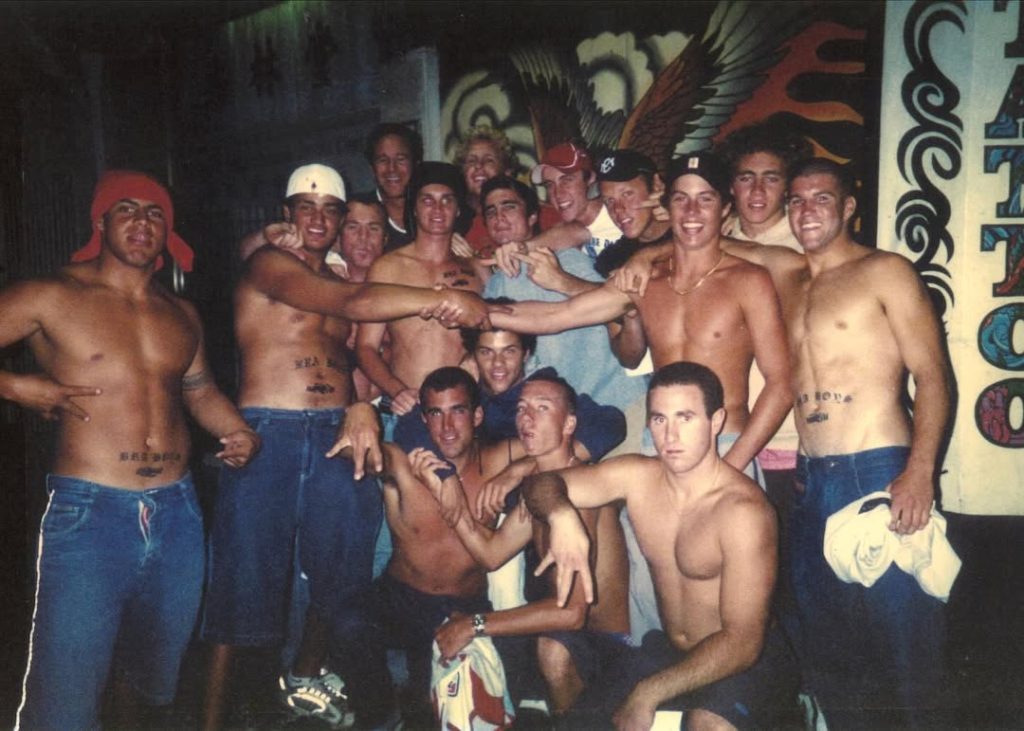
The Bra Boys were founded in Maroubra in the 1990s, cemented in the suburb’s surf culture and in the postcode pride that the name reflects. “Bra” is a shortened reference to Maroubra, and partly to the street slang for brother. Members tattoo “My Brother’s Keeper” across the chest, “Bra Boys” and the Maroubra postcode 2035 across their backs.

The Bar Boys
Photo Credit: @kid_mac/Instagram

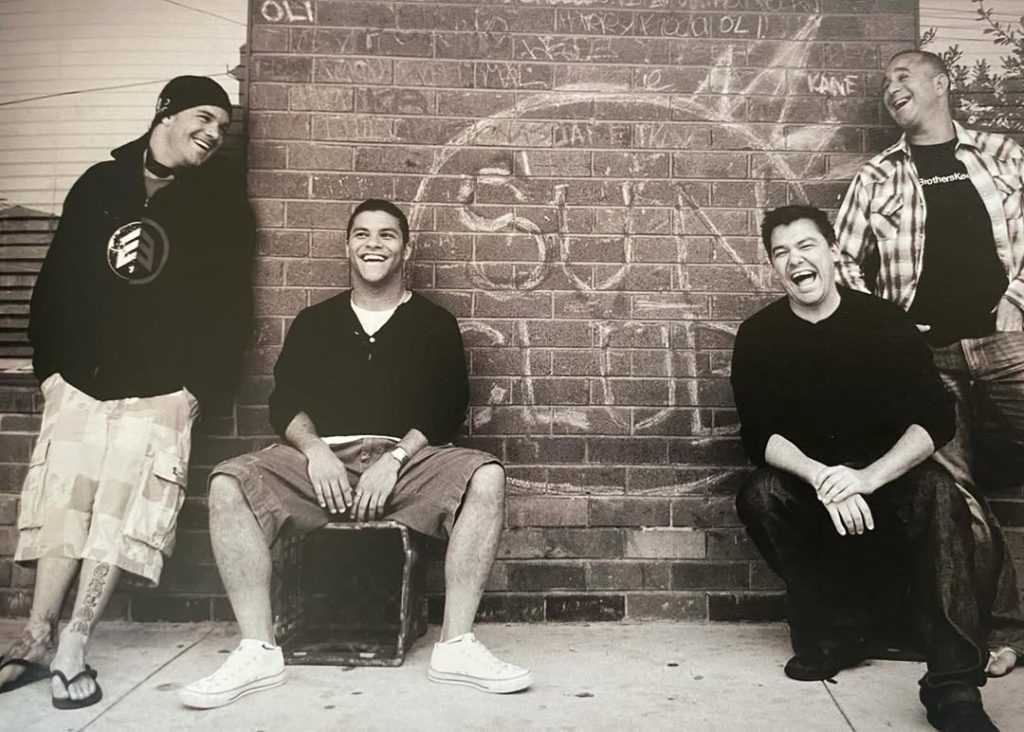
The 2007 documentary Bra Boys: Blood is Thicker than Water, written and directed by members including Sunny Abberton and narrated by Russell Crowe, introduced the group to a national and international audience, drawing on the stories of the Abberton brothers, particularly the surfing notoriety of Koby Abberton.

The group has never been straightforward. Its history includes serious criminal convictions, links to organised crime investigations and documented violence. Reardon does not pretend his years within that world were free of harm. “It was carnage,” he says simply.

But the Bra Boys are also defined by a code of loyalty and mutual support that is real and documented, and it was that side of the group that reached Reardon when he needed it most.

The friend who knocked on his window, who drove him to detox and answered calls during the darkest periods, embodied what the “My Brother’s Keeper” motto has always meant in practice.

Photo Credit: @kid_mac/Instagram

“I was super-emotional but I told myself I was going to be OK,” Reardon said of the night he finally accepted help. “I stopped taking drugs but I was still so lost. I knew it was the right choice but the happiness wasn’t there straight away. I just had to go day by day and trust the process.”

From Surviving to Mentoring Hundreds

Nearly a decade of sobriety has given Reardon a platform and a purpose. He now runs a fitness and mentoring program at Maroubra Beach, using his story to connect with young people and steer them away from the path he once took. The program works alongside The 400 Club and other community based fitness groups.

Reardon also leads Side by Side, which builds on this work, and regularly speaks at schools including Waverley College, where his lived experience resonates with students from similar backgrounds.

Giving Back to the Community

He is preparing to launch a gambling support group, which attracted 100 expressions of interest in a single day. The response reflects both the scale of the issue and the trust he has built within the community.

Reardon continues to live in Maroubra by choice, staying close to the place that shaped his life and supported his recovery.

“I’ve broken the cycle,” he said. “My son will never go through what I did.”

If you or someone you know is struggling with addiction, please contact the National Alcohol and Other Drug Hotline on 1800 250 015 (free call, 24 hours). For gambling support, contact Gambling Help Online on 1800 858 858. For mental health support, contact Lifeline on 13 11 14.


Published 26-April-2026

Maroubra Beach Drowning: International Student Named After Search Effort

A swimmer who entered the water at Maroubra Beach in Sydney’s east did not return to shore and was later found after a multi-day search.


What Happened At Maroubra Beach

Fangqi Peng, 30, was at Maroubra Beach on Sunday afternoon with three friends who were collecting sea snails along the shoreline.

He entered the water alone to try a newly purchased diving mask, telling the group he would return shortly. The others continued searching along the rocks and shoreline, but their view was partially blocked and they did not see him return.

Maroubra Beach drowning
Photo Credit: Pexels

Alarm Raised And Search Begins

When the group prepared to leave, they realised Peng had not come back. Emergency services were alerted about 4 p.m. on Sunday, 1 February, after lifesavers also noticed a swimmer enter the water and not return to shore.

The beach was cleared as a precaution while the search commenced, with helicopters and watercraft deployed during the response.

Search Conditions And Recovery

Search crews continued efforts over the following days, with sea conditions affecting operations at times. Police later confirmed a man’s body was located at about 12:20 p.m. on Tuesday, 3 February.

Formal identification processes were still to be completed at the time of reporting, but police said the body was believed to be the missing swimmer. A report will be prepared for the coroner.

Sydney beach incident
Photo Credit: Wikipedia

Background On The Swimmer

Peng had moved to Australia from Harbin in north-eastern China more than two years ago. He was studying at university and working part-time in construction.

Friends said he regularly visited Maroubra Beach to collect sea snails and was confident in the water.

Friends’ Reaction


Friends described Peng as cheerful, easygoing and kind, and said his death had been difficult to accept because it occurred suddenly.

Published 5-Feb-2026

Search Suspended for Missing Swimmer at Maroubra Beach

Emergency services have suspended their search for a man in his 30s who disappeared while swimming at the southern end of Maroubra Beach on Sunday afternoon.


The man entered the water around 4pm but failed to return to shore, prompting lifesavers who witnessed him going into the surf to raise the alarm when he did not resurface.

A major multi-agency response swung into action, with multiple helicopter crews scanning the area from above whilst jet skis and water police conducted searches from the water. The entire beach was evacuated following a shark alarm as emergency crews flooded the coastline.

According to NSW Police, the man was with friends at the time of the incident. Officers from the Eastern Beaches Police Area Command coordinated the response alongside Marine Area Command, Surf Life Saving NSW, and aerial support from the LifeSaver21 helicopter.

However, worsening weather conditions and fading light forced authorities to make the difficult decision to suspend the search around 6pm on Sunday evening. Deteriorating visibility as a storm system moved through the area meant helicopter crews had to be grounded, with conditions deemed too dangerous to continue operations safely.

The search resumed at 8am on Tuesday morning, with similar resources deployed despite challenging sea conditions continuing to hamper efforts.

The incident marks another tragedy for the local beach community during what has been a particularly dangerous summer period for Sydney’s coastline. Earlier in the New Year period, multiple drownings and rescues occurred across Sydney’s eastern beaches, prompting authorities to issue repeated warnings about dangerous surf conditions.


Anyone with information about Sunday’s incident is urged to contact Crime Stoppers on 1800 333 000 or visit nsw.crimestoppers.com.au.

Published 1-February-2026

Maroubra Beach Briefly Closed After Shark Sighting During Australia Day Weekend

Maroubra Beach was temporarily closed on Sunday afternoon after a member of the public reported seeing a shark in the water, adding to a string of closures across Sydney beaches during the Australia Day long weekend.


The alarm was raised just after midday on Sunday, with swimmers evacuated from the water as a precautionary measure. The beach was quickly reopened around 12.25pm after drone surveillance and patrol found no sharks in the area, according to Surf Life Saving NSW.

Local beachgoer Olea Chu described hearing the horn blast at noon, followed by an announcement urging everyone to exit the water. Around 20 minutes later, a second horn sounded to alert the public that the shark had gone.

“It was a bit of a surprise because it’s our first time at the beach,” Ms Chu said. Despite the brief scare, she said she still felt safe thanks to the lifeguards on duty.

The closure came during a busy weekend for Sydney’s coastal lifesavers, who managed multiple beach evacuations across the metropolitan area following several shark sightings. The precautionary measures were implemented after four shark attacks occurred in less than 48 hours earlier in the week.

On Monday, Australia Day celebrations were disrupted along the NSW coast with closures at multiple popular beaches including Manly Beach, which was shut twice following fresh shark sightings, and Palm Beach, which also saw a brief closure.

Further north on the Central Coast, Terrigal Beach closed and reopened twice over the long weekend after separate shark sightings on Saturday evening and Sunday morning.

As of Thursday morning, Palm Beach on Sydney’s Northern Beaches remained closed following another shark sighting, with beachgoers urged to follow lifeguard instructions and stay out of the water while monitoring continues.


Surf Life Saving NSW has encouraged beachgoers to follow lifeguard instructions and remain out of the water at closed beaches, as patrols and monitoring continue.

Published 29-January-2026

Maroubra Records Equal Highest Drowning Toll in Sydney

Maroubra has emerged as one of Sydney’s most high-risk surf beaches, with long-term data showing it records the equal highest number of fatal drownings among sandy beaches in the city.


A Two-Decade Pattern At One Beach

Data spanning more than 20 years shows Maroubra Beach recorded 10 fatal drownings between July 2002 and early January 2026. This is the highest number recorded at any Sydney sandy beach during that period, shared with Bondi Beach.

Across Sydney, 79 confirmed drowning deaths were recorded at sandy beaches over the same timeframe. These figures do not include incidents involving rock platforms, ocean pools or boating activities.

Sydney beaches
Photo Credit: Google Maps

National Figures Put Local Risk In Context

The National Drowning Report 2025, produced by Royal Life Saving Australia in partnership with Surf Life Saving Australia, recorded 357 drowning deaths nationwide over the past 12 months.

This figure sits 27 per cent above the 10-year average. The report found 43 per cent of drowning deaths occurred in coastal locations, including 82 deaths at beaches.

Who Faces The Greatest Risk

While children aged five to 14 recorded the lowest drowning rates, risk increased sharply among people aged 15 to 24. Drowning rates were above the long-term average for every age group over 45.

One-third of all drowning deaths involved adults aged 65 and over, with the highest rates recorded among those aged 75 and older.

Maroubra drowning risk
Photo Credit: Google Maps

Behaviour Changes And Coastal Exposure

Experts attribute part of the recent increase in drowning deaths to changes in coastal behaviour following pandemic disruptions. These include missed swimming lessons, increased boating activity and greater exposure to uncontrolled or remote coastal locations.

Public awareness of beach hazards does not always translate into safer decision-making, particularly in exposed surf environments.

How Maroubra Compares Across Sydney

Mapping of drowning deaths across Sydney’s surf beaches over more than two decades shows Maroubra consistently ranks among the locations with the highest number of fatal incidents at sandy beaches.

This places Maroubra as a clear example of broader coastal safety risks identified at both city and national levels.

Outlook


Long-term data shows Maroubra remains one of Sydney’s most consistently high-risk surf beaches. National figures indicate coastal environments continue to account for a significant share of drowning deaths, reinforcing the ongoing importance of beach safety awareness.

Published 13-Jan-2026