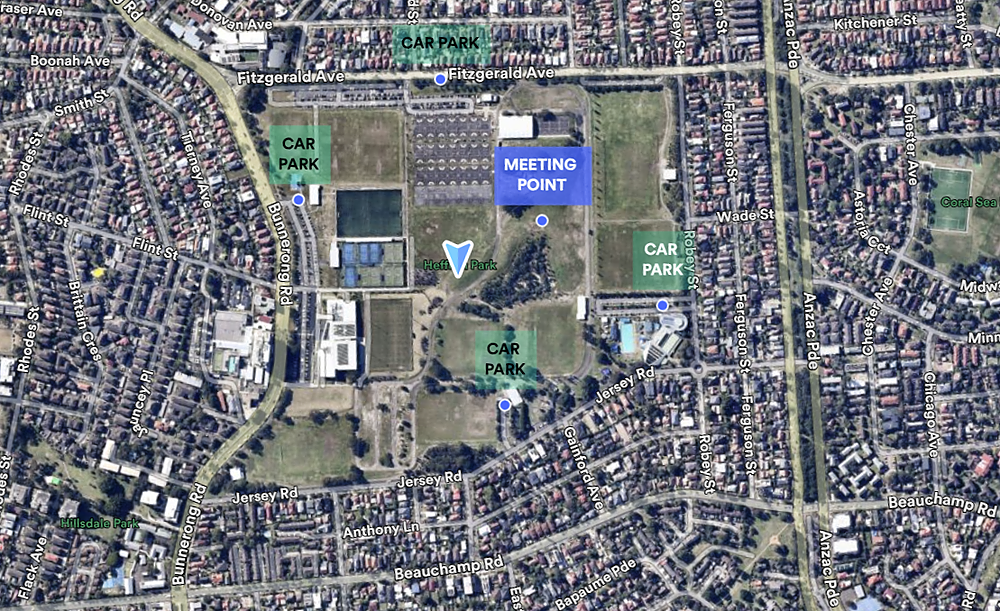
Heffron Park in Maroubra will welcome volunteers for free community planting sessions as part of National Tree Day, giving locals the chance to help grow native habitat while contributing to one of Australia’s biggest environmental initiatives.
National Tree Day takes place on Sunday 26 July, with two sessions running from 8:30am to 10am and 10:30am to 12pm. Places are free but bookings are required via Humanitix.
Australia’s biggest community tree planting event
Planet Ark started National Tree Day in 1996 as a single annual occasion for Australians to plant trees and connect with their local environment. It has since become Australia’s largest community tree-planting and nature care event, drawing around 300,000 volunteers each year.
This year, National Tree Day falls on Sunday 26 July — the last Sunday of the month — while Schools Tree Day is on Friday 24 July.
Planting for a greener heffron park
Volunteers at Heffron Park will plant trees and groundcovers as part of a wider effort to increase native and indigenous vegetation across the Randwick area.
Photo Credit: Humanitix
The morning is hands-on and social — no experience needed, and all ages are welcome.
The 44-hectare park on Fitzgerald Avenue is one of the largest open spaces in Sydney’s eastern suburbs, and adding native planting to its grounds contributes to habitat for local wildlife as well as shade, stormwater management and community amenity for Maroubra residents.
What to bring
Wear sturdy shoes, a hat, long sleeves and long pants. Bring your own gloves and a water bottle. All planting materials are provided.
Photos and videos may be taken at the event for community communications purposes. Attendees who prefer not to be photographed can request this on arrival.
Coming back in September
A Father’s Day planting celebration follows on Sunday 6 September 2026, also at Heffron Park. Bookings for that event are available here.
Both events are part of the Plant With Us series. More planting opportunities across the Randwick area can be found be through this link.
Opposition to the proposed paid beach parking scheme is continuing to grow in Maroubra, where residents and business owners say the changes could reshape the character of the suburb and make beach access harder for families.
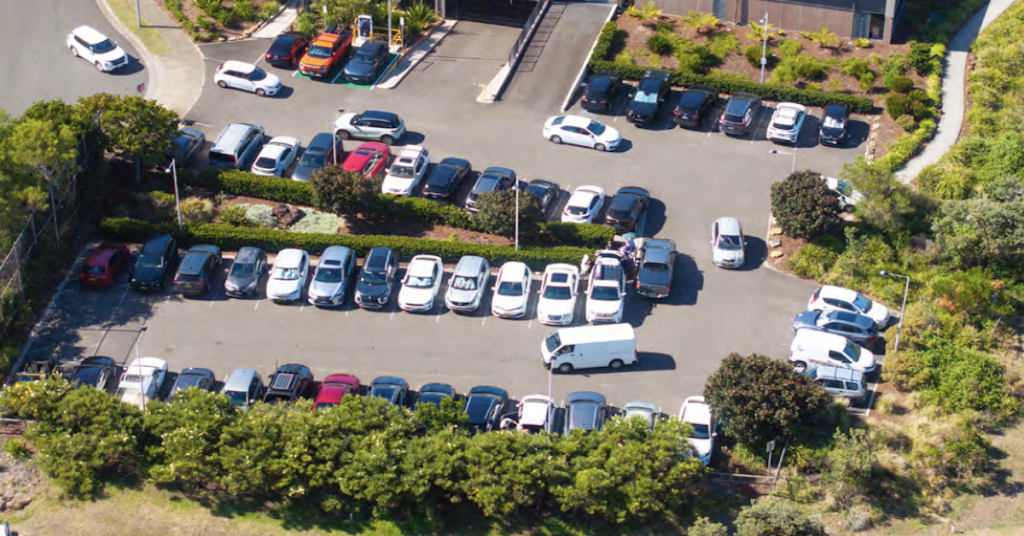
The proposal would introduce paid parking for visitors near beaches across Randwick’s coastline, including Maroubra Beach. Residents would receive free permits under the scheme, although Council is now reviewing how many permits each household would receive after strong public backlash.
The parking changes are intended to help cover rising beach maintenance costs and improve parking turnover in busy coastal areas. According to council figures, annual maintenance costs across local beaches total about $23 million.
Longtime Residents Reject ‘Pay to Visit the Beach’
Many Maroubra residents say the proposal conflicts with the suburb’s long-standing beach culture and community identity. A longtime resident recalled earlier attempts to introduce parking meters in Maroubra decades ago also faced strong resistance from locals.
Several residents have also raised concerns about larger households with multiple vehicles and the impact paid parking may have on visiting family members, workers and younger drivers.
Photo Credit: RandwickCC
Maroubra Businesses Fear Changes to Local Atmosphere
Business owners near Maroubra Beach are also watching the proposal closely amid concerns parking charges could discourage people from spending time in the area.
Some owners said they were already facing difficult conditions and feared higher parking costs could affect regular customer visits. The residents have also expressed concern the changes could shift the atmosphere of Maroubra toward a more tourist-focused beach culture similar to other parts of Sydney’s eastern suburbs.
South Maroubra Chamber of Commerce president Richard Walsh said expectations that parking meters would solve congestion problems during summer weekends were unrealistic.
Randwick Council has not yet announced when a final version of the parking proposal will be presented.
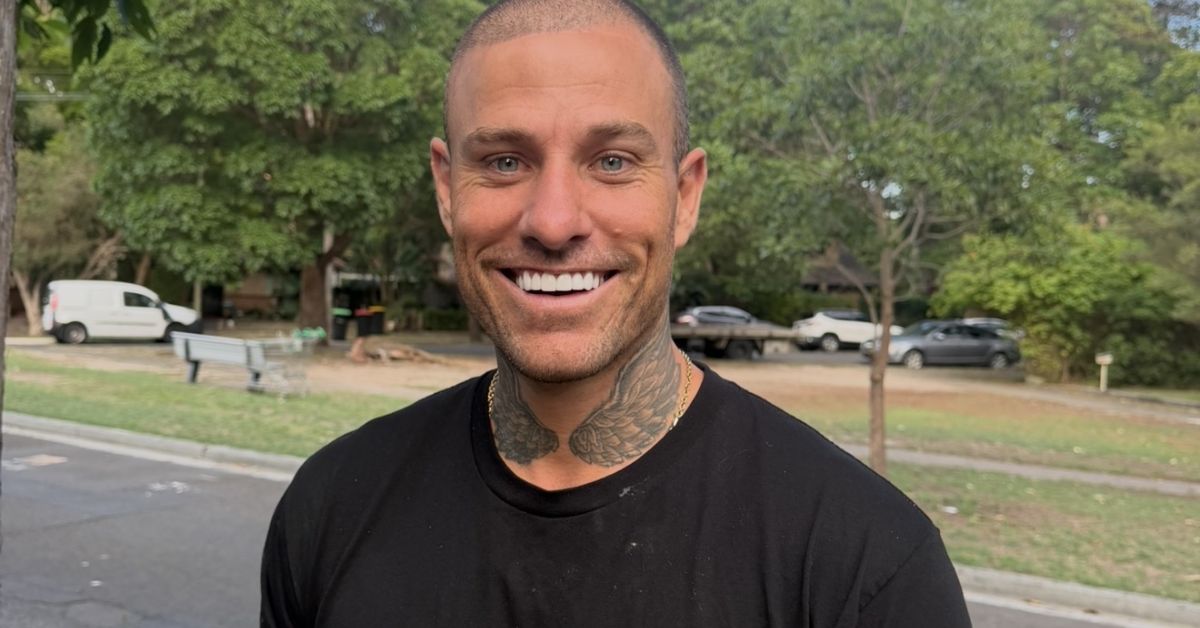
Troy Reardon was 23, weighed 65 kilograms, and was using ice every day when a friend knocked on his window one night and told him there was a rehab centre waiting for him. That moment, and the community that made it possible, is why the 33-year-old Maroubra landscaper and youth mentor is still alive today.
Reardon has been sober for nearly a decade. He is now a homeowner, a business owner and a father. He runs a fitness and mentoring programme called Side by Side at Maroubra Beach, has spoken at schools including Waverley College, and is launching a gambling support group that drew 100 sign-ups within 24 hours of being announced.
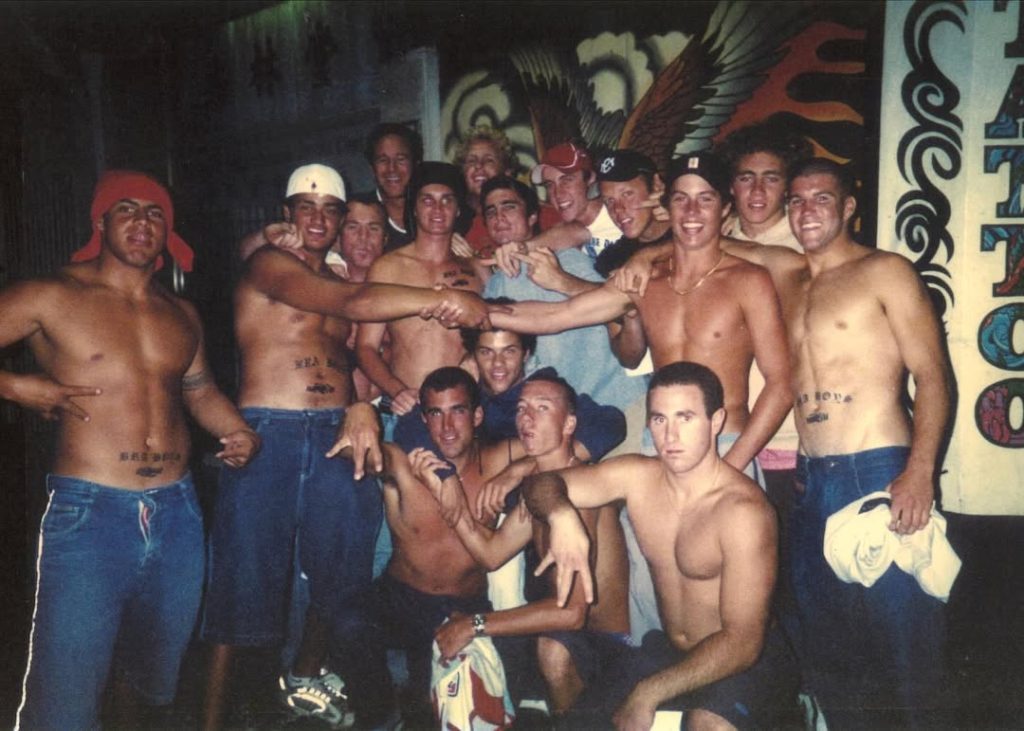
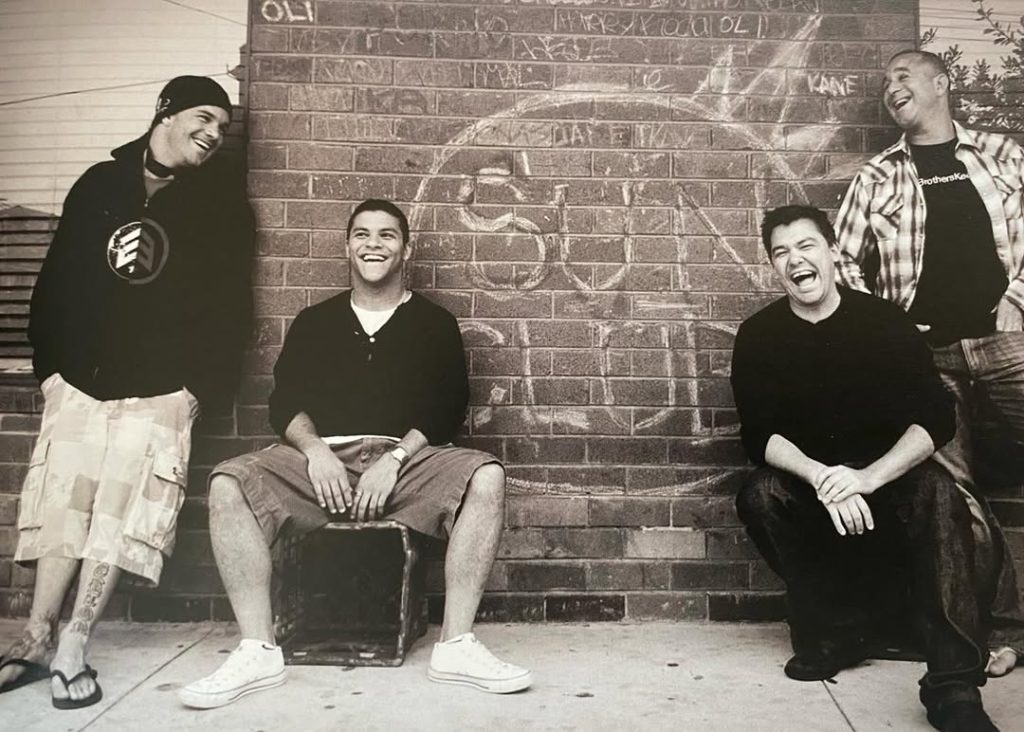
The through-line connecting all of it is a single group of people: the Bra Boys, the Maroubra surf community whose unwavering support, in his telling, is the reason he is here at all.
“Without some of my Bra Boy friends, I would not be sober today,” Reardon says. “They would drive me to rehab. They took me to detox. They answered the call every single day.”
Growing Up in Maroubra
Reardon grew up in public housing near Maroubra Beach, in a suburb that has always meant something particular. For those who know it, Maroubra is not just a beach. It is a community with a deep, sometimes complicated identity, shaped by generations of working-class families, a fierce local loyalty and the kind of bonds formed when people grow up in proximity and necessity.
That environment, at its best, produces exactly the kind of connection that saved Reardon’s life. At its most difficult, it was also the context he was navigating as a child.
“I’d come home at the age of 8 and have to resuscitate people who had overdosed in the hallway,” he recalls. His father was largely absent. His mother, who worked three jobs to provide for him, was dealing with her own addiction. Born with a rare birthmark on his head, Reardon was also a target for bullies from a young age, and by 16 he had found a temporary solution in gambling.
“It numbed me. It was a sense of relief. I’d found the solution to my insecurity around my birthmark, my childhood,” he said.
The gambling gave way to cocaine and ecstasy. A first stint in rehab at 19 was followed by a turn to ice. The violence that ran alongside his addiction left him with serious physical injuries, including a stabbing to the jugular in an argument at the beach. He describes the hospitalisation visits across that period as simply “out of this world.”
The Community That Pulled Him Back
The Bra Boys were founded in Maroubra in the 1990s, cemented in the suburb’s surf culture and in the postcode pride that the name reflects. “Bra” is a shortened reference to Maroubra, and partly to the street slang for brother. Members tattoo “My Brother’s Keeper” across the chest, “Bra Boys” and the Maroubra postcode 2035 across their backs.
The 2007 documentary Bra Boys: Blood is Thicker than Water, written and directed by members including Sunny Abberton and narrated by Russell Crowe, introduced the group to a national and international audience, drawing on the stories of the Abberton brothers, particularly the surfing notoriety of Koby Abberton.
The group has never been straightforward. Its history includes serious criminal convictions, links to organised crime investigations and documented violence. Reardon does not pretend his years within that world were free of harm. “It was carnage,” he says simply.
But the Bra Boys are also defined by a code of loyalty and mutual support that is real and documented, and it was that side of the group that reached Reardon when he needed it most.
The friend who knocked on his window, who drove him to detox and answered calls during the darkest periods, embodied what the “My Brother’s Keeper” motto has always meant in practice.
“I was super-emotional but I told myself I was going to be OK,” Reardon said of the night he finally accepted help. “I stopped taking drugs but I was still so lost. I knew it was the right choice but the happiness wasn’t there straight away. I just had to go day by day and trust the process.”
From Surviving to Mentoring Hundreds
Nearly a decade of sobriety has given Reardon a platform and a purpose. He now runs a fitness and mentoring program at Maroubra Beach, using his story to connect with young people and steer them away from the path he once took. The program works alongside The 400 Club and other community based fitness groups.
Reardon also leads Side by Side, which builds on this work, and regularly speaks at schools including Waverley College, where his lived experience resonates with students from similar backgrounds.
Giving Back to the Community
He is preparing to launch a gambling support group, which attracted 100 expressions of interest in a single day. The response reflects both the scale of the issue and the trust he has built within the community.
Reardon continues to live in Maroubra by choice, staying close to the place that shaped his life and supported his recovery.
“I’ve broken the cycle,” he said. “My son will never go through what I did.”
If you or someone you know is struggling with addiction, please contact the National Alcohol and Other Drug Hotline on 1800 250 015 (free call, 24 hours). For gambling support, contact Gambling Help Online on 1800 858 858. For mental health support, contact Lifeline on 13 11 14.
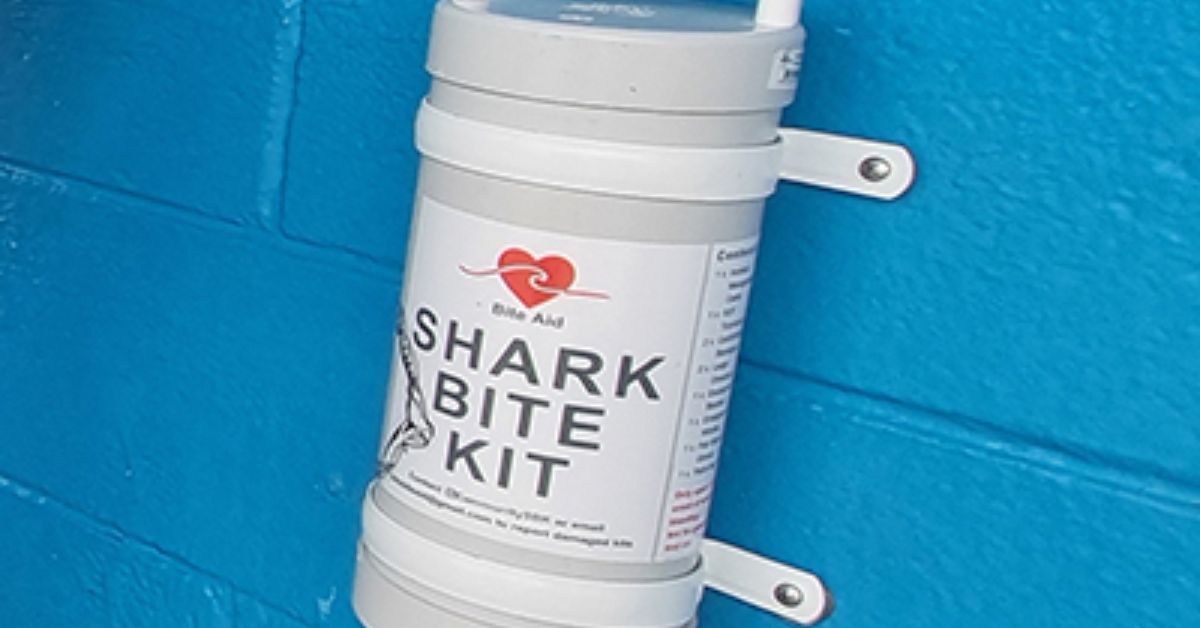
Two new after-hours shark bite kits have been installed at Maroubra and Coogee beaches through a partnership between Randwick City and Surfing NSW, giving swimmers, surfers and beachgoers access to life-saving trauma equipment outside lifeguard patrol hours.
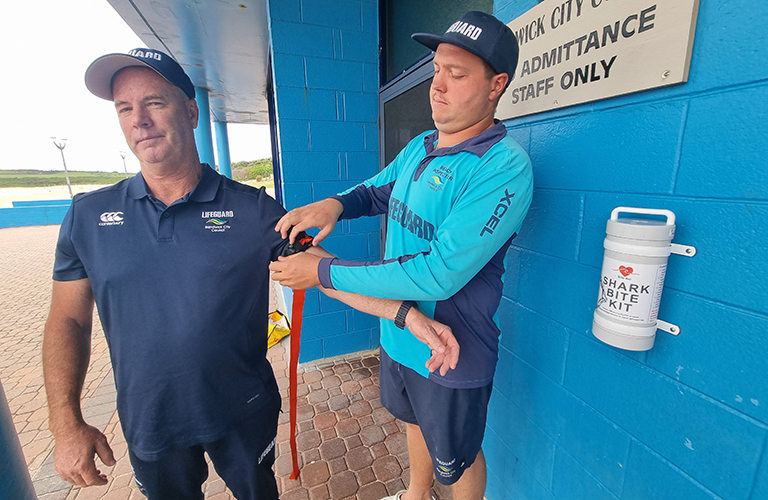
The kits sit alongside a newly installed rescue tube at each location, adding a practical layer of emergency preparedness to two of Sydney’s eastern suburbs’ busiest beaches. At Maroubra, the after-hours rescue tube and trauma kit are installed next to the Lifeguard Office, making them easy to locate for anyone familiar with the beach. For Maroubra’s large and active surf community, the addition means that critical emergency tools are now accessible around the clock, not just during patrolled hours.
What the Kits Contain and Where to Find Them
Each shark bite kit contains a tourniquet, dressings and bandages, a thermal blanket and a simple instruction card. The kits focus on controlling life-threatening blood loss in the crucial minutes between a shark attack and the arrival of professional medical help, and the simple instruction card empowers any bystander to provide immediate assistance, even without prior first aid training.
Installed alongside each kit is a rescue tube, a buoyant foam device designed to keep a person afloat in the water during a rescue. Together, the two pieces of equipment address both the in-water and on-shore phases of an emergency response, bridging the gap between the moment an incident occurs and when paramedics reach the scene.
The kits are a product of Community Shark Bite Kits, a not-for-profit initiative that has now placed kits at more than 120 beaches across Australia. The Maroubra and Coogee installations bring this proven national model to the Randwick City coastline for the first time.
After-Hours Safety on an Unpatrolled Beach
The kits are specifically designed to fill the gap outside lifeguard patrol hours, a period when beaches remain in constant use but professional emergency response is not immediately on hand. Lifeguard patrols at Maroubra operate from 7am to 7pm during daylight saving and from 7am to 5pm during winter and non-daylight saving periods. Outside those windows, the shark bite kit and rescue tube next to the Lifeguard Office offer a vital additional layer of safety for beach users, alongside existing emergency infrastructure.
That after-hours focus reflects a realistic understanding of how eastern suburbs beaches operate. Maroubra draws surfers before dawn and long after dusk throughout the year, and many of the suburb’s most committed ocean users are in the water precisely during the hours when lifeguards are not on patrol. Having trauma equipment permanently installed and accessible at any hour addresses that reality in a direct and practical way.
Why This Matters to Maroubra
Maroubra’s surf culture runs deep, and the beach attracts not just locals but visitors from across Sydney and beyond. The coastal safety infrastructure at the beach already includes CCTV, emergency response beacons and a publicly accessible defibrillator, and the shark bite kit and rescue tube now sit alongside those existing measures as part of a comprehensive approach to beach safety.
All beach users are encouraged to note the location of the shark bite kit and rescue tube next to the Lifeguard Office at Maroubra before entering the water. In any emergency, the first call should always be to 000.
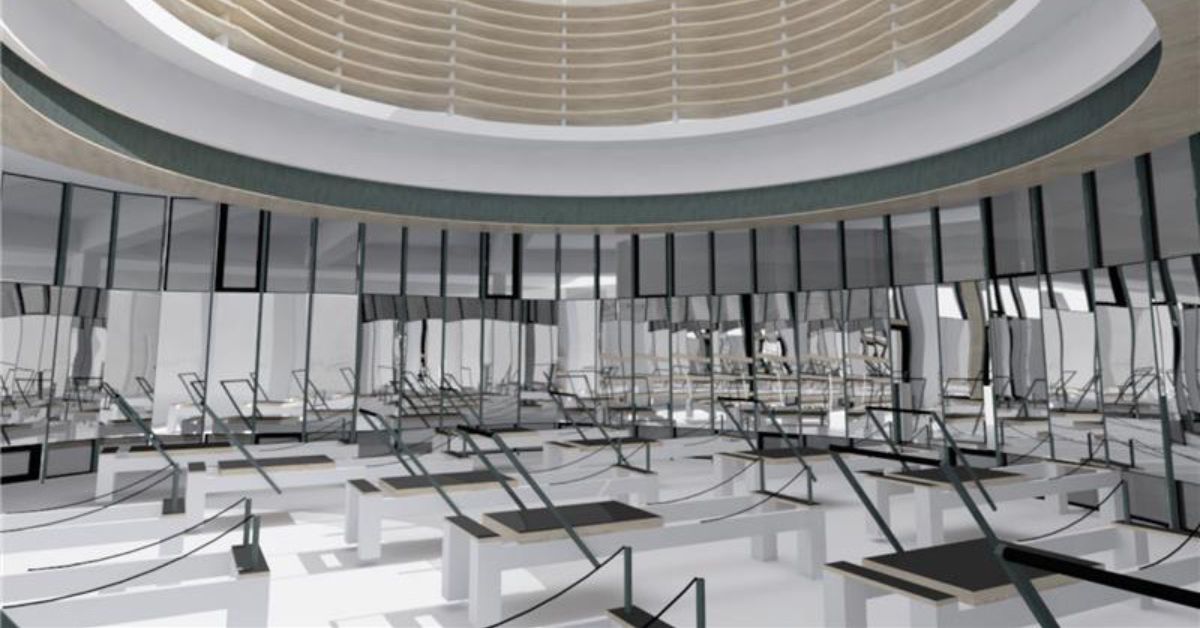
Des Renford Leisure Centre at the corner of Robey Street and Jersey Road in Maroubra is getting a purpose-built reformer Pilates studio, with a $1.2 million investment set to deliver a 13-bed studio within the centre’s ground-level atrium.
The new Pilates studio will be constructed within the existing ground-floor atrium space at DRLC, with classes available through an all-inclusive DRLC membership or on a casual booking basis. The project was formally approved in early 2025, with construction beginning later that year. The 2026 announcement confirms the studio is coming to fruition, adding a dedicated reformer space to a leisure centre that already runs group fitness classes including yoga, Pilates mat sessions and Les Mills programmes across its existing studios.
For eastern suburbs residents who have been making their way to private studios in Randwick, Coogee or further afield to access reformer Pilates, the addition at DRLC puts a high-quality option inside one of the area’s most accessible and well-priced public leisure facilities.
What Reformer Pilates Is and Why It Has Grown So Fast
Reformer Pilates uses a sliding carriage machine fitted with springs and straps to create resistance and support during movement. Unlike mat Pilates, the reformer allows for a much wider range of exercises targeting strength, flexibility, balance and posture simultaneously, all within a low-impact format that suits people recovering from injury, older residents, pregnant women and serious athletes alike. Classes typically run for 45 to 50 minutes and are led by an instructor in small groups.
The format has become one of the fastest-growing fitness trends in Sydney over the past three years, driven by strong word of mouth, a surge in private studio openings across the eastern suburbs and growing awareness of its rehabilitation and preventive health benefits. Locals are flocking to private studios like KX Pilates and Platinum, and with CorePlus Randwick about to open its doors, it’s clear the area’s appetite for reformer shows no sign of slowing down. The arrival of a reformer studio at DRLC brings the option into the public leisure centre setting, where membership prices and no lock-in contracts make it accessible to a much broader cross-section of the community than private studio pricing typically allows.
DRLC’s Growing Suite of Facilities
Des Renford Leisure Centre has been expanding its amenity steadily in recent years. The splash park that opened in October 2023 added a family-focused outdoor water play space to a precinct that already includes three heated indoor and outdoor pools, one of Australia’s largest swim schools, a fully equipped upstairs gym with panoramic views, group fitness studios and an on-site crèche. The reformer Pilates studio continues that trajectory, bringing a genuinely in-demand fitness format into the centre’s programme for the first time.
DRLC currently offers Pilates classes through its group fitness timetable, but those sessions are mat-based. A dedicated 13-bed reformer studio is a significantly different offering, allowing for structured small-group reformer sessions that are currently only available at private studios in the area at considerably higher price points.
Why This Matters to the Maroubra Community
For Maroubra residents, the reformer Pilates studio at DRLC closes a gap that has sent locals elsewhere for a fitness modality that is now mainstream rather than niche. The eastern suburbs Pilates market is busy and well-served by private studios, but access is heavily influenced by cost. A session at a private reformer studio in the eastern suburbs typically runs between $30 and $45 casually, or around $25 to $35 per class on a membership. DRLC’s all-inclusive membership model and no lock-in contracts bring reformer access to a price point that makes it viable for families, older residents, students and anyone else who wants to take it up without a significant financial commitment.
The ground-level atrium location also means the studio will be easily accessible from the centre’s main entry, removing any barrier around navigating a large facility to reach a new space.
For more information on the upcoming reformer Pilates studio or DRLC memberships and casual access options, visit randwick.nsw.gov.au/drlc or call the centre on (02) 9090 3630. DRLC is located at the corner of Robey Street and Jersey Road, Maroubra.
A life-size bronze statue of South Sydney Rabbitohs winger Alex Johnston now stands outside the Rabbitohs’ training centre at Heffron Park in Maroubra, unveiled on Monday 16 March after Johnston became the greatest try-scorer in NRLpremiership history just three days earlier.
Johnston crossed for his 213th NRL try in the first minute of the second half against the Sydney Roosters at Allianz Stadium, edging past Ken Irvine’s record that had stood for more than half a century. The try came from a brilliant set-up by Latrell Mitchell, with Johnston sprinting away from 40 metres to finish an 80-metre team movement that drew thousands of fans onto the field in celebration, a moment that the NRL had explicitly asked supporters not to create, but which produced one of the competition’s most extraordinary scenes regardless.
Three days later, Johnston stood in front of his bronze likeness at Heffron Park, surrounded by teammates, club officials, family and a delegation from the Randwick community, with local Bidjigal and Gweagal Elder Aunty Barbara Simms-Keeley welcoming the crowd to Country before the statue was officially unveiled. The statue, which depicts Johnston running with ball in hand, was created by artist John Cabellon and commissioned by club donor Danny Taibel.
A Record Years in the Making
The statue had been completed three years ago in Thailand and had been waiting for its unveiling as Johnston steadily closed in on the record. It will be the first statue in South Sydney Rabbitohs history.
Johnston’s path to the record is inseparable from Maroubra and the broader Randwick community. He is a South Sydney junior who grew up playing for the La Perouse United jersey, attended and graduated as dux from Endeavour Sports High School, and has remained a one-club player since making his NRL debut for the Rabbitohs on Anzac Day in 2014. His 213 premiership tries have all been scored in cardinal and myrtle, making the placement of the statue at Heffron Park a fitting permanence for a career that has never wandered from its roots.
Johnston is a proud Koedal Klan Saibai man of Torres Strait Islander and Papua New Guinean heritage, and celebrations of his record extended well beyond Sydney, with jubilant scenes reported throughout Papua New Guinea as the country’s rugby league community joined in marking the achievement. PNG Prime Minister James Marape joined Australian Prime Minister Anthony Albanese in formally congratulating Johnston, and plans are underway to honour him when he returns to PNG later this year.
What the Moment Meant
NRL chief executive Andrew Abdo described Irvine’s record as one that many had considered untouchable, given that it had stood for more than half a century, and said Johnston’s achievement made him one of the finest finishers the game had ever seen.
Johnston himself took the weight of the occasion in stride. He described the past few days as pretty crazy and called the statue the cherry on top of his celebrations, before joking that it would give the local wildlife the opportunity to have their say on his performances.
Rabbitohs CEO Blake Solly credited Taibel for the statue’s existence, noting that Taibel never doubted Johnston would break the record and ensured the design, build and transportation were completed before the record was actually broken. Solly described it as a lasting tribute located in a sporting precinct that draws a million visitors a year, and expressed hope it would inspire the young athletes who train and play at Heffron.
Why This Matters to the Maroubra Community
Heffron Park is Maroubra’s sporting heartland. The precinct draws junior and senior athletes from across the eastern suburbs week after week, and the Rabbitohs’ move to the site has made it one of the most visited sporting facilities in the Randwick area. A permanent bronze statue at the entrance to the Rabbitohs’ centre of excellence gives the park a landmark that connects its daily visitors to one of rugby league’s greatest individual achievements.
For the Maroubra community, Johnston’s story is also a deeply local one. He grew up playing football in the streets and parks of the area, attended school in the eastern suburbs and has built his career in the community that shaped him. The statue at Heffron Park is not simply a monument to a sporting record. It is a marker of what the eastern suburbs, and Maroubra specifically, can produce when a young person grows up with the right environment around them.
The statue stands permanently outside the Rabbitohs’ training centre at the Heffron Centre, Heffron Park, Maroubra, and is accessible to visitors to the precinct.
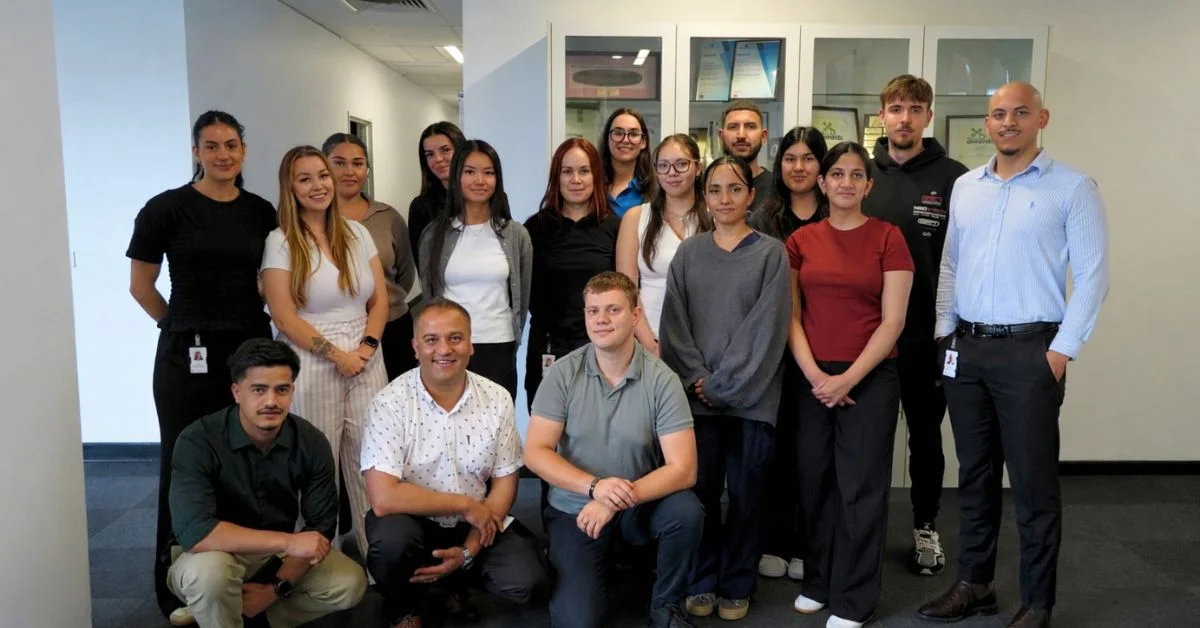
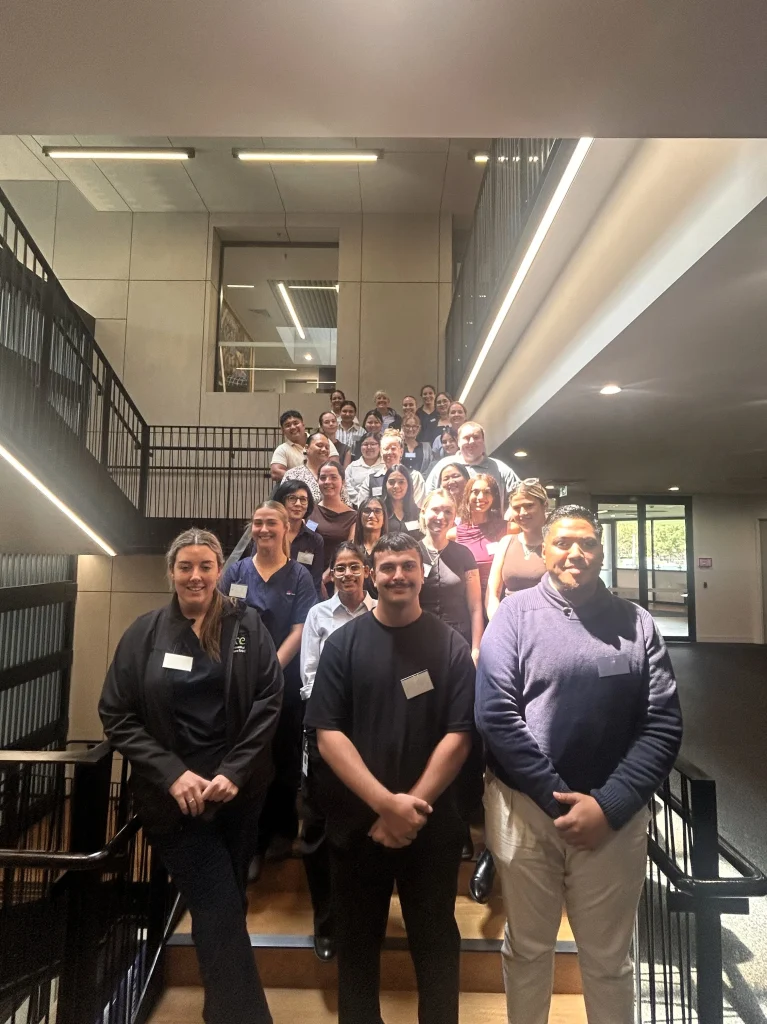
The new nurses are stationed across both metropolitan and regional centres throughout NSW, with Malabar joining locations including Silverwater, Werrington, Kariong, Windsor, Bathurst and Lithgow, among others. At Long Bay, graduates will work alongside the Forensic Hospital, which occupies the same Malabar precinct and provides specialist mental health care to patients within the justice system.
The intake represents a meaningful boost to health services across NSW correctional and youth justice facilities, where healthcare needs are frequently complex and the clinical environment demands a broad and adaptable skillset. Graduates in the program work as part of multidisciplinary teams alongside experienced clinicians, building practical skills across mental health, primary care, drug and alcohol services and public health.
The GradStart Program
The GradStart initiative offers newly registered nurses a structured year of hands-on experience within the justice health system. Instead of remaining in a single ward, participants rotate across several facilities, gaining exposure to clinical environments and patient populations rarely seen in mainstream hospitals.
Photo Credit: Supplied
Kaitlin Barnsley, who previously completed the program, recommends the experience to graduates seeking a rewarding start to their careers. Ms Barnsley said her two rotations across different centres exposed her to a wide range of clinical skills and gave her the opportunity to work in varied environments with diverse teams.
While the program pushed her outside her comfort zone, she said the professional rewards far exceeded her expectations. She said the experience built her confidence as a practitioner and strengthened her ability to advocate for patients while working closely with other healthcare professionals. Ms Barnsley added that the graduate year helped shape her into a safe, competent and compassionate registered nurse.
Justice Health NSW chief executive Wendy Hoey welcomed the new cohort, noting that much of the organisation’s clinical work takes place outside the public eye despite having a direct and meaningful impact on patients’ lives and health outcomes. She described the graduates as choosing an exceptionally rewarding career path and expressed gratitude to each of the 43 new nurses for joining the network.
Long Bay’s Role in NSW Justice Health
Long Bay Correctional Centre has been a significant site within NSW’s correctional system for well over a century, with the Malabar precinct evolving over time to incorporate both custodial and health functions. The colocation of the correctional centre and the Forensic Hospital on the same site makes it one of the most complex and clinically significant justice health locations in the state.
The Forensic Hospital, which opened in 2009, is a purpose-built secure mental health facility providing inpatient care to people within the justice system who have significant mental health needs. Nurses working at the Malabar precinct encounter a wide range of clinical scenarios across both the correctional primary care environment and the specialised forensic mental health setting, making it a particularly valuable placement for graduate nurses entering the justice health workforce.
Why This Matters to the Maroubra and Malabar Community
For residents of Maroubra and Malabar, Long Bay Correctional Centre is a longstanding and visible part of the local landscape. The precinct sits at the southern end of the Malabar headland, bordered by residential streets and coastal reserves, and has been woven into the fabric of the area for generations. The arrival of new graduate nurses at the facility is a reminder that the site functions as a significant healthcare employer within the local community, providing jobs and career pathways for people who may live nearby.
More broadly, the investment in graduate nursing at justice health facilities matters because the health of people in custody has direct flow-on effects for the broader community. Nurses who build strong clinical foundations in the justice health system go on to contribute those skills across the wider NSW health workforce, and the patients they care for are more likely to return to community life in better health. That outcome benefits everyone, including the suburbs closest to the facilities where that care is delivered.
Nurses interested in joining Justice Health NSW can find information on graduate and career opportunities through this link.
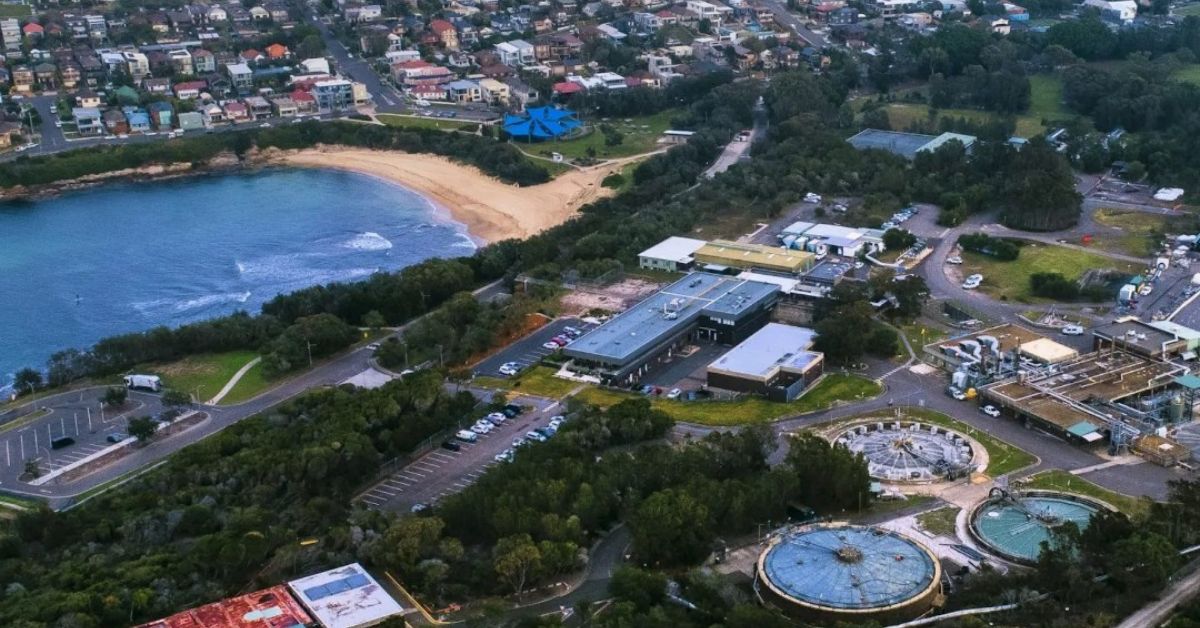
Sydney Water faces a formal pollution reduction order requiring it to remove a massive build-up of fats, oils and grease from its Malabar wastewater treatment plant, after investigations confirmed the accumulation as the most likely source of the debris balls that closed Sydney’s eastern beaches repeatedly from October 2024 to February 2025.
The New South Wales Environment Protection Authority issued the order on 23 February 2026, following months of investigation that traced the greasy black spheres washing up on beaches from Coogee to the state’s south coast to a deep, largely inaccessible chamber inside the Malabar deep ocean outfall. The outfall extends 2.3 kilometres offshore and handles wastewater from a catchment covering much of Sydney’s inner-east and western suburbs.
For residents of Maroubra, Coogee and Malabar, who watched clean-up crews comb their beaches through the summer of 2024–25, the EPA’s order represents its most significant regulatory escalation so far in response to a crisis that disrupted one of the eastern suburbs’ most-used coastlines, after the agency issued a Preliminary Investigation Notice in April 2025.
What the Fatberg Is and How It Formed
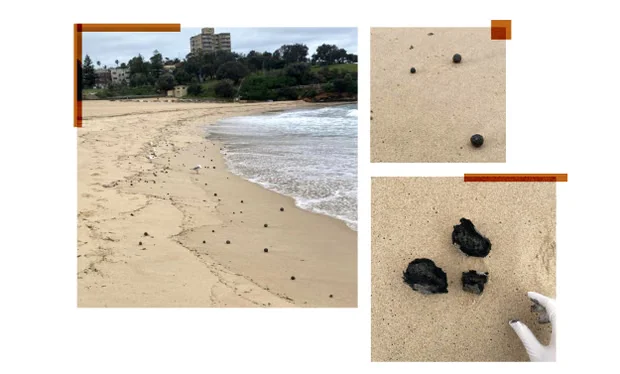
Investigators including Professor Stuart Khan, a wastewater engineer from the University of Sydney and chair of the EPA’s advisory panel, traced the source of the debris to decades of accumulated fats, oils and grease adhering to the inner walls of pipes feeding into the Malabar system. When heavy rainfall events strike, those accumulated deposits dislodge and flush through the outfall tunnel into the ocean, where wave action rolls them into the black balls that beachgoers encountered on the sand.
Photo Credit: Sydney Water
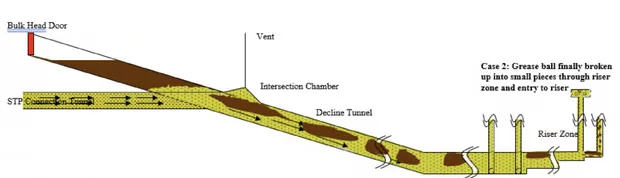
A Sydney Water assessment report from August 2025 identified the build-up as concentrated in a 300-cubic-metre chamber behind the bulkhead door of the deep ocean outfall, a dead zone beyond the accessible stopboards that workers cannot safely enter. Sydney Water estimates the fatberg could be the size of four Sydney buses, though the organisation cannot measure it precisely because of the access constraints.
Two specific events accelerated the release of debris balls into the ocean. A loss of power at the plant in October 2024 stopped the raw sewage pumps for four minutes, and the rapid pressure surge when power returned dislodged a portion of the accumulated fatberg. A similar pressure spike driven by heavy wet weather in January 2025 produced the same result.
Why Fixing It Is Not Simple
The engineering challenge at the heart of the Malabar problem is significant. The bulkhead door that provides the only access point to the outfall chamber sits underwater and can only be opened at low tide and during low system flows, making safe entry to the inaccessible area beyond the stopboards impossible under current conditions.
Taking the plant fully offline to access the chamber would require diverting sewage to cliff face discharge, a method that would close Sydney’s beaches for months. Sydney Water’s own August 2025 report acknowledged this approach had never been used and was no longer considered acceptable. That acknowledgement confirmed that the chamber was not designed with regular maintenance in mind when engineers built it in the 1980s.
Photo Credit: Sydney Water
Sydney Water already conducts regular cleaning of the accessible sections of the outfall, itself described in the report as an extremely risky operation. In April 2025, workers removed 53 tonnes of accumulated fats, oils, grease and debris balls from those accessible areas.
What the EPA’s Order Requires
The pollution reduction order covers both immediate and longer-term actions. Sydney Water must remove the build-up of fats, oils and grease from the hard-to-access bulkhead area, develop a system to capture debris overflowing from the sewer during severe wet weather events, and conduct a study into the formation and weathering of debris balls to improve tracking capability. The order also requires Sydney Water to consider artificial intelligence or other technology to monitor for the formation of future debris balls before they reach the ocean.
Planned upgrades to the Malabar system are part of a 10-year, $3 billion investment program.Sydney Water is also advancing recycled water initiatives to reduce the total volume of sewage discharged into the ocean.
That longer-term programme reflects a wider recognition that the debris ball crisis is not solely a maintenance problem at one facility. Khan noted that Sydney’s growing population and rising number of food outlets operating without proper grease traps have intensified the problem over time, allowing more fats to enter the wastewater system and form blockages at greater scale than previous decades.
Sydney Water’s Response and Community Impact
Sydney Water confirmed it would implement the EPA’s required measures in close collaboration with the watchdog, and said it was working with the independent Wastewater Expert Panel, local authorities, agencies and the community throughout the process.
That collaboration follows a period of public controversy over Sydney Water’s handling of the crisis. The utility initially insisted in November 2024 that the debris balls did not form from its wastewater discharges. Subsequent reporting established that claim was incorrect, and Sydney Water’s managing director later acknowledged publicly that the evidence pointed to the ocean outfall as the most likely source.
Community concern in Maroubra, Coogee and the surrounding suburbs remains high. The beaches most affected sit within walking distance of the Malabar outfall, and residents recall multiple closures through a period that should have been peak summer swimming season. The EPA’s order is the most direct regulatory action taken to date to prevent a repeat of those events.
Full details of the pollution reduction order and Sydney Water’s compliance program are available through the NSW EPA at epa.nsw.gov.au. Sydney Water’s own account of the debris ball investigation and planned works is available here.
Operation Light Fingers, involving officers from the Maroubra Police Station in the Eastern Suburbs, the City of Sydney, and the police area commands in Leichhardt and Sutherland, has led to the arrest of 155 individuals for shoplifting.
Among the arrested and taken to the Maroubra Police Station were a 41-year-old woman who stole $ 1,100 worth of beauty products and a 27-year-old man who stole baby formula amounting to $1,200. Both individuals targeted stores in Eastgarden and have been refused bail. The arrested man had two other outstanding warrants for shoplifting as well.
According to NSW Police, Operation Light Fingers was a three-day operation led by the Central Metropolitan High Visibility Policing (HVP) Unit, with support from the other police networks. The arrests were conducted from the 8th to the 10th of December 2022.
As of press time, 98 of the 155 individuals have been charged whilst 97 received criminal infringement notices. More operations of similar nature are expected to continue during the Christmas season. However, according to the NSW Crime Tool, incidents of theft in Maroubra and Eastgardens have been stable between October 2021 to September 2022.
Photo Credit: NSW Crime Tool
It comes as the Eastern Beaches Police Area Command recently conducted a community engagement with the IWA Maroubra Community Group. The session tackled steps on how to report a crime to the police.
Some parts of the Eastern Suburbs have been given priority access to the Pfizer vaccine for eligible individuals between the ages of 16 to 49 years old, following a superspreader event in Maroubra.
Health officials have grown concerned after a Maroubra party with about 60 guests on 14 Aug resulted in 20 positive cases who infected 61 more close contacts. To prevent a COVID-19 hotspot, NSW’s vaccine program has put Maroubra as a priority, as well as these Randwick local government areas: Chifley, Clovelly, Coogee, Kensington, Kingsford, La Perouse-Phillip Bay, Little Bay, Malabar, Matraville, Randwick, South Coogee.
Camden LGA and Bayside LGA are also on priority.
“We know there are several hundred thousand people in these LGAs who are unvaccinated in this age group, and this is a great opportunity for them to come forward and get their jab,” NSW Health Deputy Secretary Susan Pearce said.
Beginning Monday, 31 Aug 2021, Randwick City Council has urged all eligible residents to book a vaccination slot as a priority pop-up vaccination hub has been set up in Novotel Hotel at the corner of Grand Parade and Princess Street.
NSW has been administering 127,530 doses of Pfizer a week and will have more supplies by October 2021.
Meanwhile, the NSW Police announced the formation of Strike Force Travelstop, which will investigate the superspreader event in Maroubra.
“Each of these people who are going to these functions must understand that they run the risk of either having the virus and transmitting it or getting the virus and taking it home to their families and their communities,” Health Minister Brad Hazzard said.
“There is no time now to be selfish – it’s time to think of the broader community and your families. If you are actually spreading the virus, you could be responsible for peoples’ deaths.”