


Maroubra Records Equal Highest Drowning Toll in Sydney

Maroubra has emerged as one of Sydney’s most high-risk surf beaches, with long-term data showing it records the equal highest number of fatal drownings among sandy beaches in the city.


A Two-Decade Pattern At One Beach

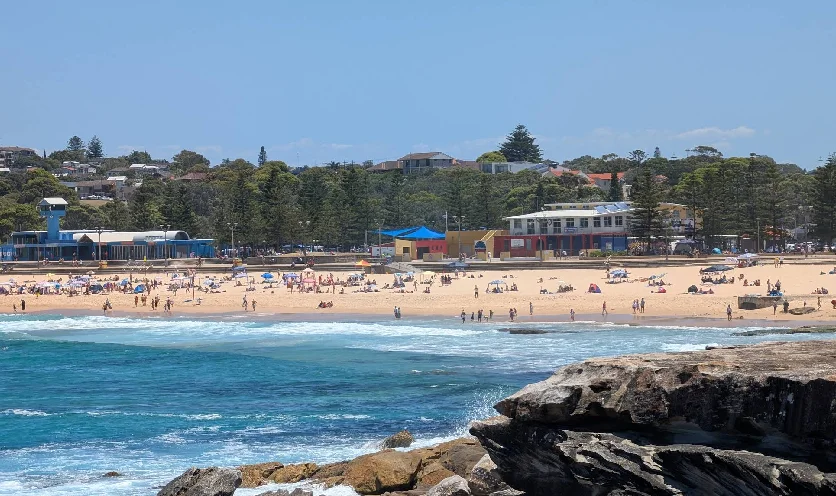
Data spanning more than 20 years shows Maroubra Beach recorded 10 fatal drownings between July 2002 and early January 2026. This is the highest number recorded at any Sydney sandy beach during that period, shared with Bondi Beach.

Across Sydney, 79 confirmed drowning deaths were recorded at sandy beaches over the same timeframe. These figures do not include incidents involving rock platforms, ocean pools or boating activities.

Sydney beaches
Photo Credit: Google Maps

National Figures Put Local Risk In Context

The National Drowning Report 2025, produced by Royal Life Saving Australia in partnership with Surf Life Saving Australia, recorded 357 drowning deaths nationwide over the past 12 months.

This figure sits 27 per cent above the 10-year average. The report found 43 per cent of drowning deaths occurred in coastal locations, including 82 deaths at beaches.

Who Faces The Greatest Risk

While children aged five to 14 recorded the lowest drowning rates, risk increased sharply among people aged 15 to 24. Drowning rates were above the long-term average for every age group over 45.

One-third of all drowning deaths involved adults aged 65 and over, with the highest rates recorded among those aged 75 and older.

Maroubra drowning risk
Photo Credit: Google Maps

Behaviour Changes And Coastal Exposure

Experts attribute part of the recent increase in drowning deaths to changes in coastal behaviour following pandemic disruptions. These include missed swimming lessons, increased boating activity and greater exposure to uncontrolled or remote coastal locations.

Public awareness of beach hazards does not always translate into safer decision-making, particularly in exposed surf environments.

How Maroubra Compares Across Sydney

Mapping of drowning deaths across Sydney’s surf beaches over more than two decades shows Maroubra consistently ranks among the locations with the highest number of fatal incidents at sandy beaches.

This places Maroubra as a clear example of broader coastal safety risks identified at both city and national levels.

Outlook


Long-term data shows Maroubra remains one of Sydney’s most consistently high-risk surf beaches. National figures indicate coastal environments continue to account for a significant share of drowning deaths, reinforcing the ongoing importance of beach safety awareness.

Published 13-Jan-2026

Maroubra Surf Club Set for Major Upgrade Under $15 Million Plan

Lifesavers and locals will soon benefit from a major refresh of the Maroubra Surf Life Saving Club, with plans underway for a modern building complete with gym, meeting spaces, and a café-style barista window. Now over a century old, the club is also set to receive upgraded storage for lifesaving gear, new training areas, improved public showers, and terraced seating right by the beach.


Background on Maroubra Surf Life Saving Club

Maroubra Surf Life Saving Club, founded in 1906, is one of Australia’s earliest surf clubs. The club provides volunteer patrols at Maroubra Beach, complementing lifeguard services, and offers surf sports, water safety training, and education for the community. 

It currently has 1,410 members and plays a key role in supporting local beach safety and youth development initiatives.

Maroubra SLSC
Photo Credit: RandwickCityCouncil

Details of the Redevelopment Plan

The planned redevelopment follows over 18 months of consultation with club members. The proposed design features a larger gym, upgraded amenities, and new spaces for members. It includes function and meeting rooms, a kitchen, a bar, an outdoor terrace, and improved storage for lifesaving equipment. 

Public features will include beach access improvements, showers, a barista window, landscaped seating areas, and weather-protected decks. The new building aims to reflect the club’s cultural heritage while addressing future needs, using sustainable materials, natural ventilation, and solar panels to enhance environmental performance.

Maroubra Surf Club
Photo Credit: RandwickCityCouncil

Project Funding and Timeline

The redevelopment is funded by all three levels of government. Randwick City Council is contributing $10.5 million, the Federal Government is providing $3.5 million, and the State Government is contributing $1 million. Construction is expected to begin in 2027–28, subject to consultation outcomes, design refinements, and future budget allocations.

Community Feedback and Sentiment

Public consultation is open, with feedback invited through the official website. Comments on social media reflect both support and queries from residents. Some have praised the upgrade as long overdue, while others have raised concerns about the lack of provision for boardrider clubs and other daily ocean users. There were also suggestions about the design, including calls for more community-oriented features.

Maroubra Surf Club upgrade
Photo Credit: RandwickCityCouncil

Next Steps


The project team is gathering community feedback until 25 July 2025. The final design will be refined based on input received during the consultation period before progressing to the next stage.

Published 6-July-2025

Bluebottle Infestation at Maroubra Beach: Swimmers Urged to Stay Cautious

Thousands of bluebottles have washed up on Maroubra Beach, forcing many swimmers to relocate while others braved the waters despite the risk of painful stings. Strong onshore winds over the weekend carried masses of the stinging jellyfish onto the shoreline, covering the sand in clusters of blue.


Maroubra Beach bluebottles
Photo Credit: Lynne Oldfield/Facebook

Bluebottle Invasion Hits Maroubra Beach

Beachgoers at Maroubra were met with an unexpected challenge as thousands of bluebottles washed ashore over the weekend. The sudden influx was attributed to onshore winds pushing colonies of the stinging jellyfish onto the sand.

Sydney man Greg Tannos, who was among those stung, described the sensation as “going into an electric shock in the water and then it keeps getting worse.” Despite the risk, some swimmers still chose to enter the ocean, while others moved to alternative locations.

Randwick Lifeguards confirmed that while they do not close beaches due to bluebottles, warning signs were placed around flagged areas to alert beachgoers.

Understanding the Bluebottle Problem

Bluebottles, easily recognised by their blue gas-filled sac, are a common nuisance along Australia’s east coast. They are not capable of independent movement and rely on ocean currents and winds to drift. When winds exceed 30 km/h, entire colonies can be pushed towards specific beaches, as seen at Maroubra.

Experts estimate that up to 30,000 bluebottle stings occur annually across Australia, though none have been fatal. The stings cause intense pain and irritation, often leaving red welts on the skin.

Dr Lisa-ann Gershwin of the Australian Marine Stinger Advisory recommends rinsing the affected area with seawater first before applying ice or hot water to reduce pain. Freshwater should be avoided initially as it can worsen the sting by triggering the release of more venom.

Maroubra Beach
Photo Credit: Lynne Oldfield/Facebook

Treatment and Prevention of Bluebottle Stings

In the event of a bluebottle sting, the following steps are recommended:

  • Monitor the casualty while offering comfort and reassurance.
  • Pick off any remaining tentacles.
  • Remove any ‘invisible tentacles’ with a copious amount of seawater.
  • Immerse the affected area in hot water or cover it with hot running water (as in a hot shower) for at least 20 minutes to neutralise the venom proteins.
  • Alternatively, apply a dry cold pack for pain relief.
  • Call Triple Zero (000) if an allergic reaction occurs, pain is persistent, or the sting site covers a large area or a sensitive region (e.g., the eyes).
  • Seek assistance from a lifeguard if available.

Note: Ensure the water temperature is safe to avoid scalding.

To prevent bluebottle stings:

  • Avoid swimming when warning signs are displayed.
  • Do not touch jellyfish in the water or on the shore.
  • Wear a Lycra wetsuit or protective clothing when swimming.
  • Use waterproof footwear when wading through shallow water.

Community Concerns and Safety Measures

The presence of bluebottles at Maroubra has raised concerns among locals and lifeguards. Maroubra’s Surf Life Saving Club (SLSC) has advised swimmers to remain cautious and check local warnings. The Jellyfish App and Beachsafe app are recommended for real-time updates on bluebottle activity.


While lifeguards provide first aid for stings, experts stress the importance of prevention. Beachgoers are encouraged to watch for warning signs and avoid swimming in areas where bluebottles are present.

Published 8-Mar-2025