



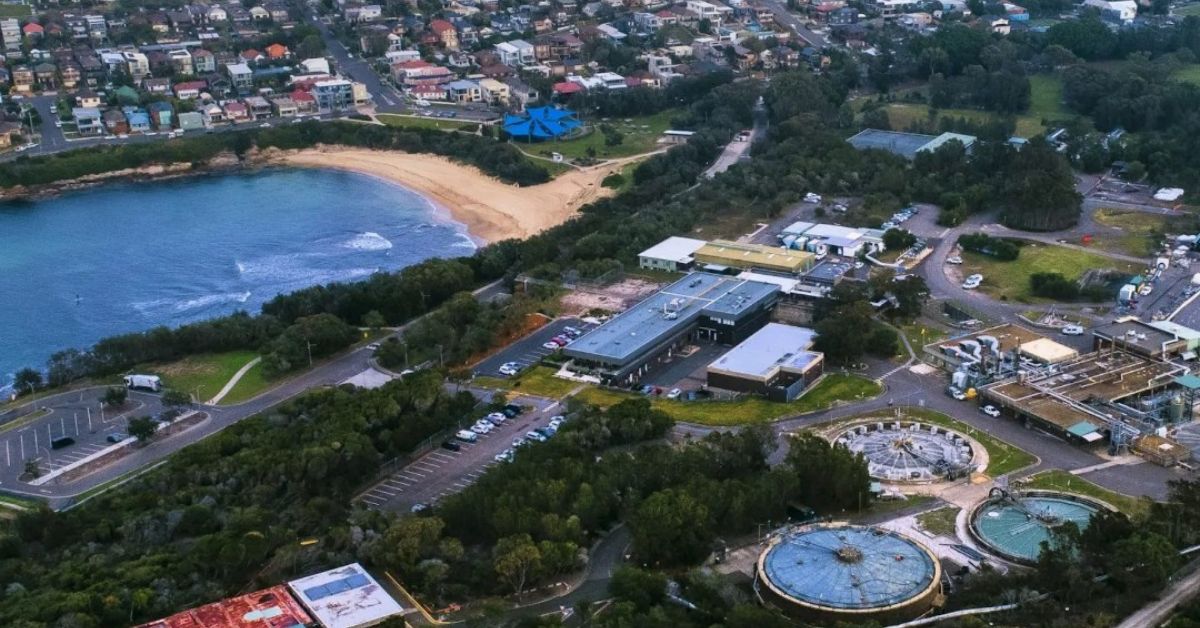
Sydney Water faces a formal pollution reduction order requiring it to remove a massive build-up of fats, oils and grease from its Malabar wastewater treatment plant, after investigations confirmed the accumulation as the most likely source of the debris balls that closed Sydney’s eastern beaches repeatedly from October 2024 to February 2025.
The New South Wales Environment Protection Authority issued the order on 23 February 2026, following months of investigation that traced the greasy black spheres washing up on beaches from Coogee to the state’s south coast to a deep, largely inaccessible chamber inside the Malabar deep ocean outfall. The outfall extends 2.3 kilometres offshore and handles wastewater from a catchment covering much of Sydney’s inner-east and western suburbs.
For residents of Maroubra, Coogee and Malabar, who watched clean-up crews comb their beaches through the summer of 2024–25, the EPA’s order represents its most significant regulatory escalation so far in response to a crisis that disrupted one of the eastern suburbs’ most-used coastlines, after the agency issued a Preliminary Investigation Notice in April 2025.
What the Fatberg Is and How It Formed
Investigators including Professor Stuart Khan, a wastewater engineer from the University of Sydney and chair of the EPA’s advisory panel, traced the source of the debris to decades of accumulated fats, oils and grease adhering to the inner walls of pipes feeding into the Malabar system. When heavy rainfall events strike, those accumulated deposits dislodge and flush through the outfall tunnel into the ocean, where wave action rolls them into the black balls that beachgoers encountered on the sand.
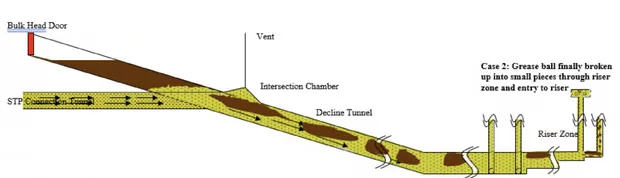
A Sydney Water assessment report from August 2025 identified the build-up as concentrated in a 300-cubic-metre chamber behind the bulkhead door of the deep ocean outfall, a dead zone beyond the accessible stopboards that workers cannot safely enter. Sydney Water estimates the fatberg could be the size of four Sydney buses, though the organisation cannot measure it precisely because of the access constraints.
Two specific events accelerated the release of debris balls into the ocean. A loss of power at the plant in October 2024 stopped the raw sewage pumps for four minutes, and the rapid pressure surge when power returned dislodged a portion of the accumulated fatberg. A similar pressure spike driven by heavy wet weather in January 2025 produced the same result.
Why Fixing It Is Not Simple
The engineering challenge at the heart of the Malabar problem is significant. The bulkhead door that provides the only access point to the outfall chamber sits underwater and can only be opened at low tide and during low system flows, making safe entry to the inaccessible area beyond the stopboards impossible under current conditions.
Taking the plant fully offline to access the chamber would require diverting sewage to cliff face discharge, a method that would close Sydney’s beaches for months. Sydney Water’s own August 2025 report acknowledged this approach had never been used and was no longer considered acceptable. That acknowledgement confirmed that the chamber was not designed with regular maintenance in mind when engineers built it in the 1980s.
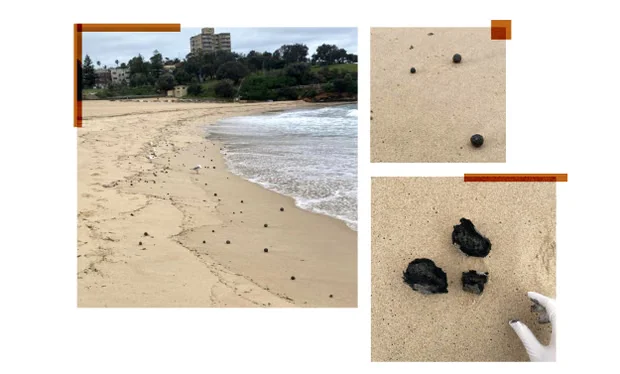
Sydney Water already conducts regular cleaning of the accessible sections of the outfall, itself described in the report as an extremely risky operation. In April 2025, workers removed 53 tonnes of accumulated fats, oils, grease and debris balls from those accessible areas.
What the EPA’s Order Requires
The pollution reduction order covers both immediate and longer-term actions. Sydney Water must remove the build-up of fats, oils and grease from the hard-to-access bulkhead area, develop a system to capture debris overflowing from the sewer during severe wet weather events, and conduct a study into the formation and weathering of debris balls to improve tracking capability. The order also requires Sydney Water to consider artificial intelligence or other technology to monitor for the formation of future debris balls before they reach the ocean.
Planned upgrades to the Malabar system are part of a 10-year, $3 billion investment program.Sydney Water is also advancing recycled water initiatives to reduce the total volume of sewage discharged into the ocean.
That longer-term programme reflects a wider recognition that the debris ball crisis is not solely a maintenance problem at one facility. Khan noted that Sydney’s growing population and rising number of food outlets operating without proper grease traps have intensified the problem over time, allowing more fats to enter the wastewater system and form blockages at greater scale than previous decades.
Sydney Water’s Response and Community Impact
Sydney Water confirmed it would implement the EPA’s required measures in close collaboration with the watchdog, and said it was working with the independent Wastewater Expert Panel, local authorities, agencies and the community throughout the process.
That collaboration follows a period of public controversy over Sydney Water’s handling of the crisis. The utility initially insisted in November 2024 that the debris balls did not form from its wastewater discharges. Subsequent reporting established that claim was incorrect, and Sydney Water’s managing director later acknowledged publicly that the evidence pointed to the ocean outfall as the most likely source.
Community concern in Maroubra, Coogee and the surrounding suburbs remains high. The beaches most affected sit within walking distance of the Malabar outfall, and residents recall multiple closures through a period that should have been peak summer swimming season. The EPA’s order is the most direct regulatory action taken to date to prevent a repeat of those events.
Full details of the pollution reduction order and Sydney Water’s compliance program are available through the NSW EPA at epa.nsw.gov.au. Sydney Water’s own account of the debris ball investigation and planned works is available here.
Published 2-March-2026.