




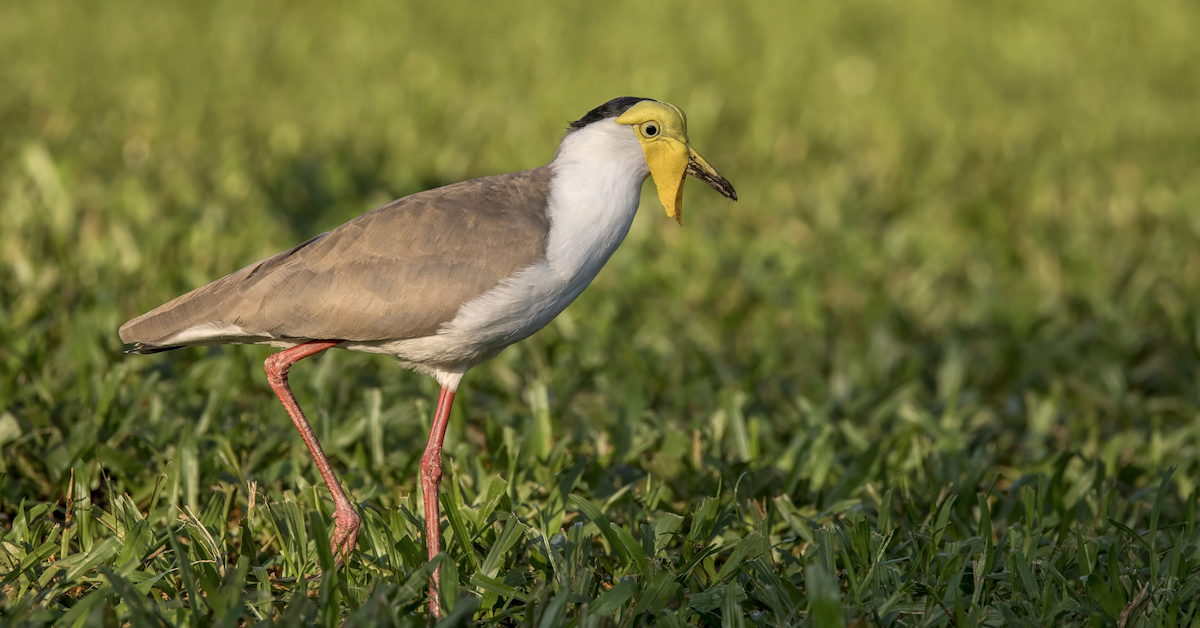
A pair of masked lapwings has returned to a North Maroubra headland for a third consecutive breeding season, drawing local attention to the birds’ recurring struggles to raise their young.
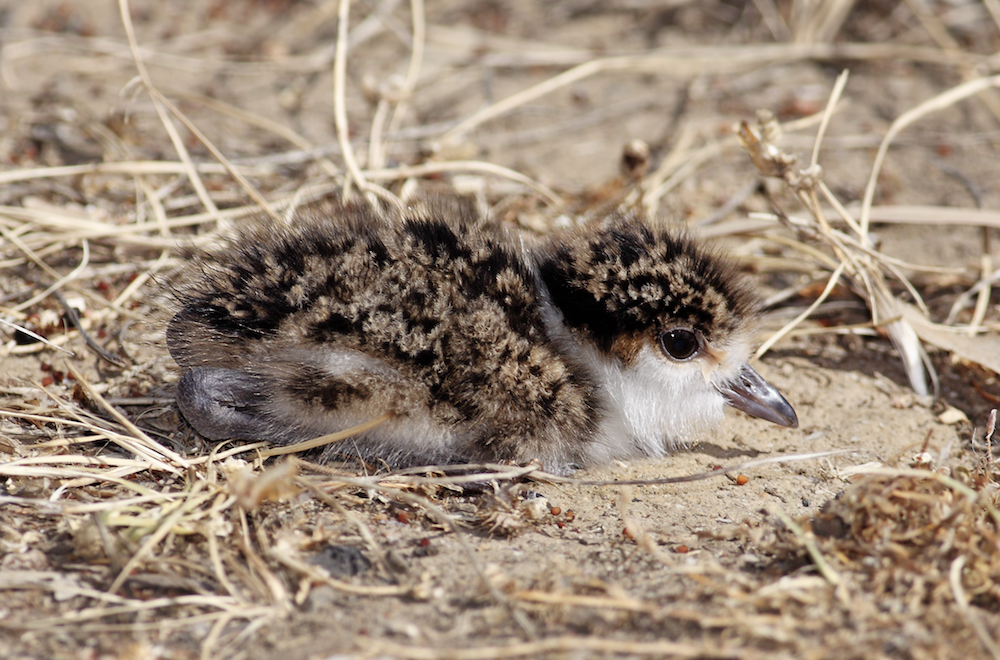
Two chicks hatched in early September at Jack Vanny Reserve, above Mahon Pool. The newly hatched birds moved across the open ground while the adult pair defended them, swooping people, dogs and drones that ventured too close. Community members monitored the family, and WIRES volunteers installed signs around the nesting area advising owners to keep dogs leashed.
About a week after they were first observed, both chicks disappeared. Local residents following the family’s progress could no longer find the young birds, while a local WIRES volunteer also reported not having seen them. The parent birds disappeared from the headland for a time before returning without their young.
The fate of the two chicks remains unknown. Dogs, cats, foxes, birds of prey, vehicles and the surrounding cliffs were among the hazards identified around the nesting site, but no cause for their disappearance has been established. Previous breeding attempts at the site also failed to produce surviving young, with some chicks from earlier seasons reportedly struck by vehicles on the nearby road.


Ground Nesting Meets Coastal Activity
Masked lapwings, also known as spur-winged plovers, inhabit open grasslands, mudflats and coastal areas, but are also common in urban settings including playing fields and parklands.
Jack Vanny Reserve combines open grassed and rocky areas on Marine Parade, with a car park, scenic lookout and the Eastern Beaches Coastal Walk. Masked lapwings build simple scrape nests on the ground, often away from ground cover.
Chicks can leave the nest and feed themselves within hours of hatching, while both parents continue to guard and care for them. Their early mobility can take them beyond the immediate nest site while they are still being protected by the adults.

Parent lapwings become particularly defensive around eggs and young, using alarm calls and swooping to deter perceived threats. At Jack Vanny Reserve, the pair swooped people approaching the area while the chicks were present. After returning without their young, the adults were reported to move away from passers-by instead.
Native birds are protected in NSW under the Biodiversity Conservation Act 2016. NSW environmental authorities say it is an offence to harm, kill or remove protected native animals without appropriate authority.
Off-Leash Concerns Predate Nesting
Randwick Council requires dogs to remain leashed outside designated off-leash areas and lists 17 leash-free locations across the city. Jack Vanny Reserve is not among those designated areas, while dogs are prohibited at rock pools including Mahon Pool.
Concerns about off-leash dogs at Jack Vanny Reserve predate the latest nesting attempt. A Council consultation report on the Muraborah Reserve off-leash proposal recorded requests for greater enforcement around Maroubra, with Jack Vanny Reserve among the locations specifically identified. The report said those comments would be passed to Council’s Ranger Services.
A recent Maroubra community post highlighted the pair’s repeated breeding attempts and expressed hope that community and Council support could give future chicks a better chance. If the pair returns to Jack Vanny Reserve next spring, Council rules require dogs to remain leashed, while wildlife guidance recommends giving nesting lapwings and their chicks plenty of space.
Published 30-Sept-2026

