



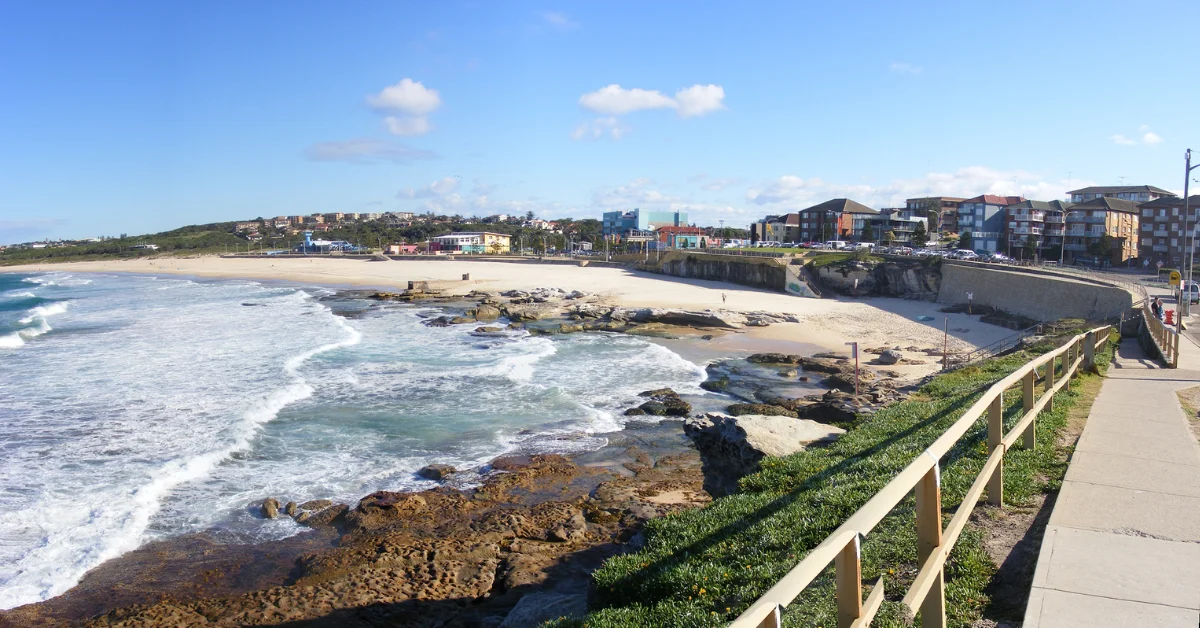
A large-scale wastewater upgrade program has been outlined following debris balls washing ashore near Maroubra, with investigations linking the material to the Malabar treatment system.
Debris Balls And Beach Closures
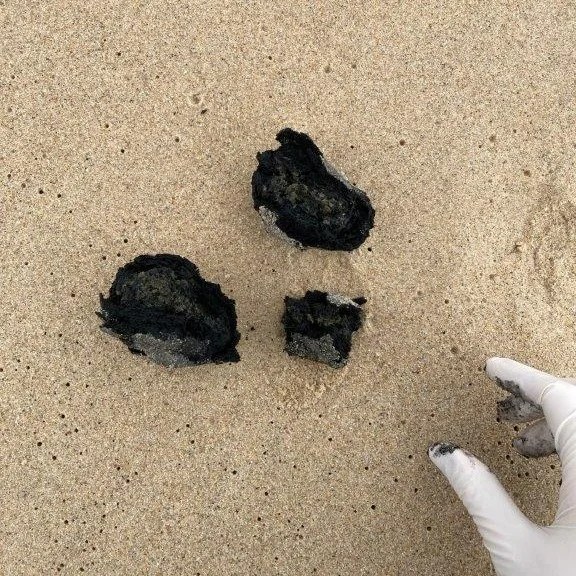
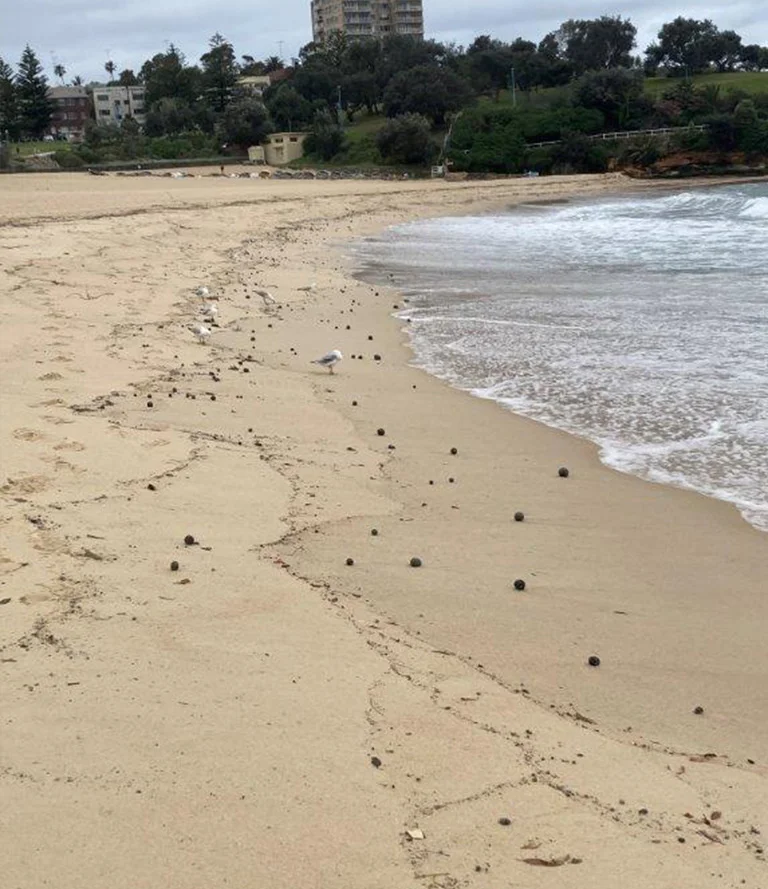
From late 2024 through early 2025, black, grease-like debris balls were reported along several NSW coastlines, including beaches near Maroubra. The incidents raised water quality concerns and resulted in temporary beach closures while clean-up and testing were carried out.
Laboratory testing later confirmed the debris was most likely connected to the Malabar wastewater treatment system, which discharges treated wastewater via a deep ocean outfall.
What Investigations Revealed
Analysis of collected samples found the debris was largely made up of fats, oils and grease, alongside smaller amounts of petroleum-based material and other waste products such as hair and fibres.
The findings pointed to pressure within the wastewater network, particularly during periods of high load, as a contributing factor to the formation of the debris balls.
Scope Of The Upgrade Program
A $3 billion upgrade program is planned over 10 years, focusing on reducing the volume of wastewater requiring treatment and discharge through the Malabar outfall.
The Malabar system is one of the largest wastewater networks in Australia, servicing close to two million residents across Sydney’s south-west, including Fairfield, Campbelltown and Liverpool.
Facilities Prioritised First
Initial works will concentrate on the Glenfield and Liverpool water resource recovery facilities, with refurbishments and expanded processing capacity planned.
A new secondary treatment process at Liverpool forms part of the first stage, with further upgrades across the wider network scheduled progressively.
Operational Measures Alongside Construction
In addition to infrastructure works, the response includes increased inspection and cleaning of ocean outfall screens, strengthened trade-waste controls, and expanded education efforts targeting fats, oils and grease entering the system.
These measures are intended to reduce the risk of similar debris reaching beaches near Maroubra while longer-term upgrades are completed.
What Comes Next
Ongoing coordination between Sydney Water, the NSW Environment Protection Authority and an independent wastewater expert panel is expected to continue throughout the rollout period.
Information released alongside the program indicates impacts are expected to be limited, with any disruption largely confined to construction noise and vehicle movements near treatment facilities.
Published 19-Jan-2026