



A Maroubra stink bug trap photographed hanging from a tree is part of surveillance efforts targeting an invasive insect known to travel into Australia in imported cargo.
The metre-high device was identified in a report published on 28 October 2026, during Australia’s seasonal monitoring of the brown marmorated stink bug (Halyomorpha halys). Surveillance traps have also been reported around Sydney, Newcastle and Wollongong, particularly near international ports and shipping-container facilities.
The insect can shelter inside vehicles, machinery, shipping containers and luggage during colder months overseas. Once transported to warmer conditions, it can emerge from hiding, creating a risk of establishing populations in new areas.
NSW biosecurity officers use traps containing pheromone lures to attract the insects. Bugs landing on the trap’s panels can fall into a collecting solution, where they can be examined during routine inspections. The equipment is designed to detect possible incursions, rather than indicating that an infestation is present.


Earlier Detections At Port Botany And Matraville
The area surrounding Port Botany has previously been subject to targeted surveillance after brown marmorated stink bugs were detected at the port and nearby Matraville in January 2023. In an announcement dated 13 February 2023, the NSW Department of Primary Industries reported that ongoing surveillance had found no further bugs in Sydney since early January. Monitoring continued around the affected area as authorities checked whether the pest had spread.
The earlier interceptions provide a documented history of biosecurity activity in the neighbouring port precinct. No evidence has been established linking those incidents directly to the placement of the photographed Maroubra trap. Australia’s current seasonal import measures began on 1 September 2026 and are scheduled to continue until 30 April 2027. Federal requirements cover specified goods manufactured in or shipped from target-risk countries, along with vessels using identified risk pathways.
High-risk cargo may require mandatory treatment, while other targeted goods can undergo inspection. NSW’s local trapping arrangements operate separately from those federal border controls.
How To Identify A Stink Bug In Maroubra
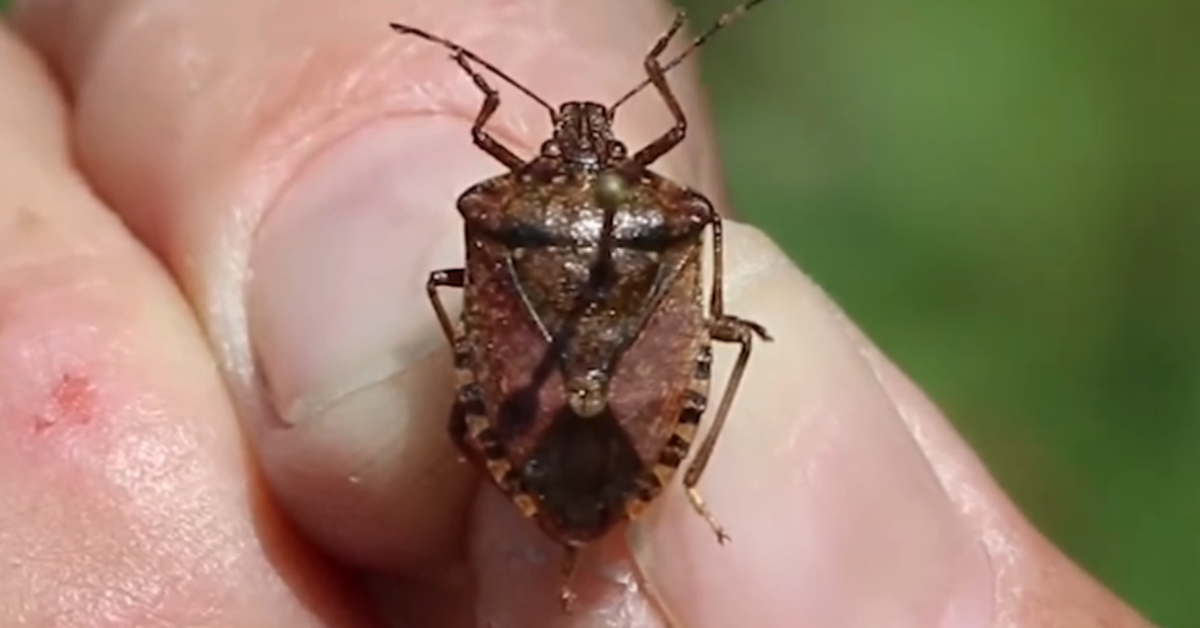
The brown marmorated stink bug is a shield-shaped insect measuring approximately 12 to 17 millimetres as an adult. Its mottled brown body has pale bands on the antennae and alternating light and dark markings along the abdomen. Although it resembles several stink bugs already found in Australia, the exotic species can damage fruit and vegetable crops by feeding on plant tissue. More than 300 plant species are potential hosts, including apples, peaches, tomatoes, beans and sweet corn.
The insects also release a strong odour when disturbed. Their ability to shelter in buildings, vehicles and other enclosed spaces can make them a nuisance where populations become established.
Anyone who suspects a brown marmorated stink bug has been found should photograph the insect and, where safe, secure it in a sealed container for identification. The pest is notifiable in NSW, with suspected detections required to be reported within one working day. Reports can be made through the Exotic Plant Pest Hotline on 1800 084 881 or the NSW Department of Primary Industries’ online pest reporting service.
Published 2-November-2026